 Vorschau anzeigen
 Versenden
 Teilen
 Details anzeigen

 Herunterladen
 Ähnliche Objekte
 Röntgenaufnahme
 Diashow
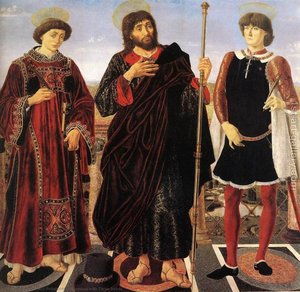
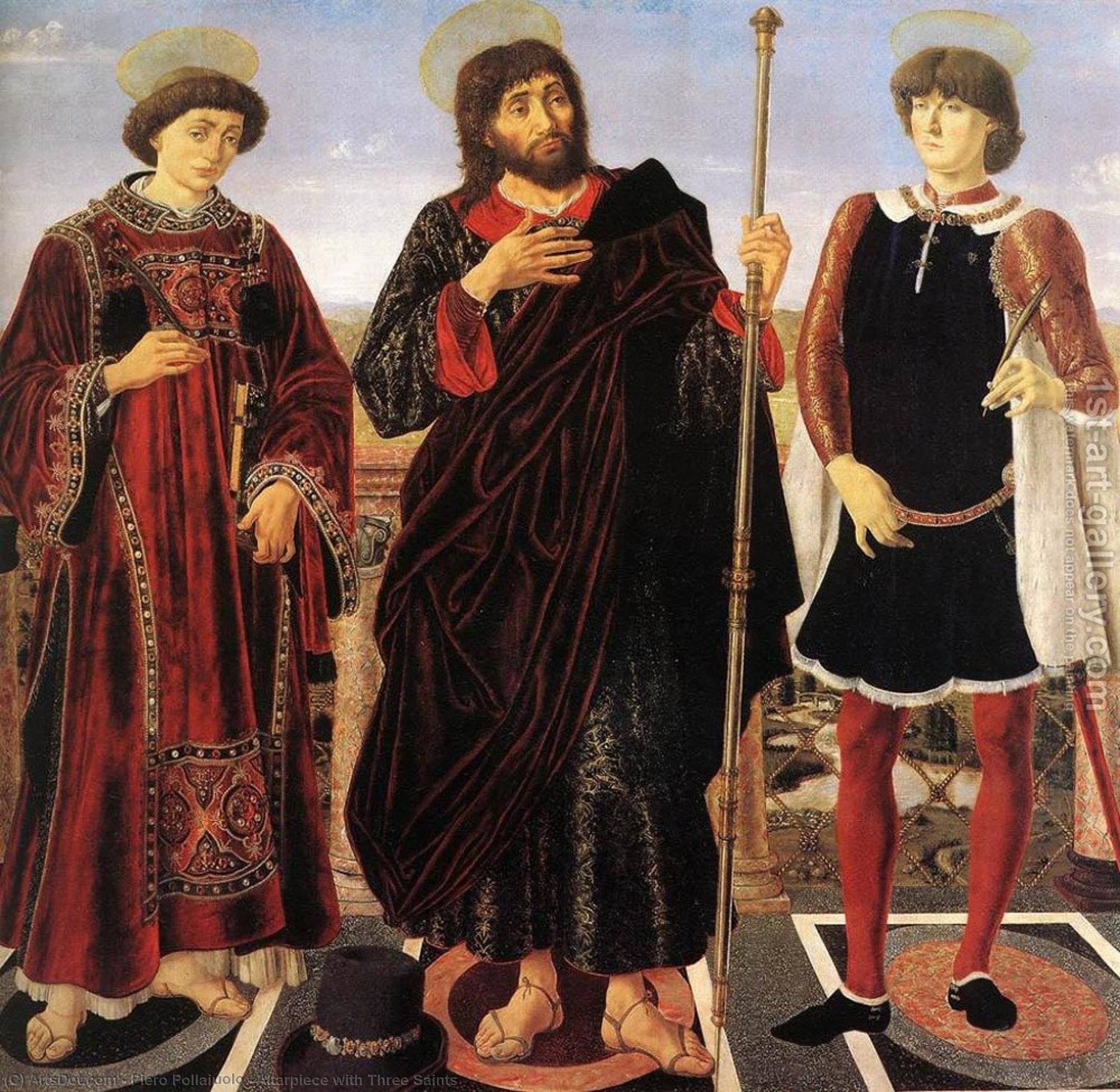
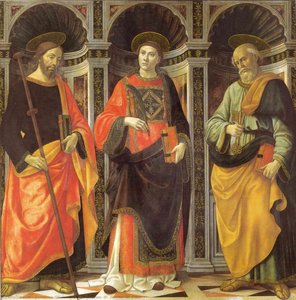
Altarbild mit drei Heiligen
 Öl auf Leinwand
- Wandkunst
- Early Renaissance
 1467
1467 172.0 x 179.0 cm
 Galleria degli Uffizi
 Weiterlesen
Handgefertigte Ölreproduktion
Handgemaltes Ölgemälde auf Leinwand in Ihrer Wunschgröße und mit Rahmen, auf Bestellung von unseren Künstlern angefertigt. ( Druck bestellen Bild kaufen)




P118B $10

P118H $10

P118W $10

P438Z $10

P508JH $12

P508YH $12

P805H $10

P805Z $10

P919BZ $10

P919G $10

P919XJ $10

P959ZH $10

P968JZ $12

W106C $8

W218G $10

W218JH $8

W218Y $10

W307PJ $10

W316G $10

W316PJ $8

W316Y $10

W398PJ $8

W4111J $10

W500HY $15

W500JH $15

W692G $12

W849H $8

W940BG $15

W953PJ $8




Wählen Sie aus unseren vordefinierten Formaten, die den ursprünglichen Proportionen des Kunstwerks entsprechen.

Sie können Ihre eigenen Maße eingeben, um einen bestimmten Rahmen oder Platz auszufüllen. Wenn die gewählte Größe nicht den Proportionen des Originalbildes entspricht, werden wir das Kunstwerk entweder beschneiden oder das Gemälde durch zusätzliche, handgemalte Elemente erweitern. Ein digitales Mockup wird Ihnen zur Genehmigung zugesandt, bevor die Produktion beginnt.
Bitte beachten Sie, dass die Bildschirmvorschau nicht die tatsächliche Beschneidung oder Erweiterung widerspiegelt. Nur das Mockup zeigt die endgültige Komposition exakt an.
Obwohl Sondermaße verfügbar sind, empfehlen wir, eine Größe aus der vordefinierten Liste zu wählen, um die ursprünglichen Proportionen beizubehalten.
Nach der Bestellung wird das ArtsDot.com-Team dem Kunden Anweisungen per E-Mail zusenden und eine Mockup-Vorschau bereitstellen.
Weltweiter Versand () in nur 3 bis 4 Wochen statt der üblichen 5 Wochen. (27 August). Keine Kompromisse bei der Qualität.

Kostenloser weltweiter Expressversand

Hochwertige Leinenleinwand

Umfassender Versicherungsschutz beim Versand

Zollgebühren-Rückerstattungsgarantie

Garantie für exakte Farbtreue

60 Tage Rückgaberecht (nur bei Mängeln)

100% Geld-zurück-Garantie

Mengenrabatt verfügbar
 Die Glasoption ist nur für Größen unter 110 cm verfügbar.

Altarbild mit drei Heiligen
Art der Reproduktion
Format der Reproduktion
-


Gesamtpreis
$ 313
Ein Meisterwerk der Renaissance: Das Altarpiece mit Drei Heiligen von Piero Pollaiuolo
Das Gemälde „Altarpiece mit Drei Heiligen“ von Piero del Pollaiuolo ist ein beeindruckendes Beispiel für die Kunst des Frührenaissance und eine Quelle tiefgreifender künstlerischer und kultureller Bedeutung. Geschaffen um 1467 in Florenz, verkörpert dieses Werk nicht nur technische Brillanz sondern auch eine außergewöhnliche Fähigkeit zur Darstellung menschlicher Emotionen und religiöser Glaubensvorstellungen.
- Überblick: Das Gemälde zeigt drei männliche Figuren – vermutlich Heilige – dargestellt im klassischen Stil, der sich stark an den Idealen der italienischen Renaissance orientiert. Eine symmetrische Komposition dominiert durch die zentrale Gestalt und wird von zwei Begleitern eingerahmt. Ein entferntes Stadtbild verleiht der Szene eine zusätzliche Dimension und betont die Verbindung zur natürlichen Welt.
- Stil und Technik: Piero Pollaiuolo zeichnet sich durch einen einzigartigen Stil aus, der klassische Elemente mit einer tiefen menschlichen Sensibilität verbindet. Er nutzt Ölfarbe auf Leinwand und arbeitet mit außergewöhnlicher Präzision und Detailtreue, um die Körperhaltung und Gesichtsausdrücke seiner Figuren realistisch zu erfassen. Die Verwendung von Licht und Schatten verstärkt die drei Dimensionen und verleiht dem Gemälde eine besondere Ausdruckskraft.
- Historischer Kontext: Das Werk entstand in einer Zeit großer künstlerischer Kreativität und gesellschaftlicher Veränderung. Florenz war ein Zentrum humanistischer Bildung und künstlerischer Innovation, und Piero Pollaiuolo wurde von diesen Ideen maßgeblich beeinflusst. Er lebte und arbeitete im Dienste der Kirche und widmete sich insbesondere der Darstellung religiöser Themen mit großer Leidenschaft und Hingabe.
- Symbolik: Die drei Heiligen werden hier nicht nur als religiöse Figuren dargestellt sondern auch als Symbole für verschiedene Werte wie Glauben, Hoffnung und Liebe. Der zentrale Heilige hält einen Stab – ein Zeichen von Führung und Schutz – und die anderen Begleiter tragen Attribute, die ihre jeweilige Funktion und Bedeutung unterstreichen.
- Emotionale Wirkung: Das Gemälde beeindruckt durch seine Fähigkeit, Emotionen zu vermitteln und den Betrachter in eine Atmosphäre der Kontemplation einzuladen. Die ruhige Komposition und die warme Farbpalette schaffen eine besondere Stimmung von Würde und Erhabenheit und erinnern an die Schönheit und Größe der klassischen Kunst.
Ein hochwertiges Reproduktionsdruck dieses außergewöhnlichen Meisterwerks wird sicherlich einen besonderen Reiz für Liebhaber der Kunst und Innenarchitektur auslösen und eine Erinnerung an die zeitlosen Werte der Renaissance bewahren.
Ähnliche Kunstwerke


Über den Künstler
Piero del Pollaiuolo: A Florentine Master of Form and Emotion
Piero del Pollaiuolo, a name often overshadowed by his more celebrated brother Antonio, stands as a pivotal figure in the vibrant artistic landscape of Renaissance Florence. Born around 1443 in the heart of the city – though his precise birthdate remains elusive – Piero’s life was inextricably linked to that of his brother, and their collaborative spirit profoundly shaped their distinctive style. More than simply a follower, Piero developed a unique voice, blending classical influences with an intensely humanistic approach, particularly evident in his masterful depictions of mythology, portraiture, and religious subjects. His legacy rests not just on individual masterpieces but also on the complex interplay between him and Antonio, a dynamic that continues to fascinate art historians today.Early Life and Artistic Training
Piero’s early life remains shrouded in some mystery, though it is widely believed he received his initial artistic training under Andrea del Castagno, a renowned painter known for his dramatic compositions and expressive figures. This exposure to Castagno's style undoubtedly influenced Piero’s own approach, particularly his penchant for dynamic poses and theatrical gestures. Crucially, however, the brothers began their formal artistic education together, likely in the workshop of Jacopo Negodi, where they honed their skills in tempera painting – a technique favored by Florentine artists at the time. Unlike Antonio, who seems to have focused primarily on sculpture, Piero’s talents lay predominantly in the realm of painting, though he also demonstrated considerable skill in bronze casting, as evidenced by his later works. The brothers' shared workshop fostered a unique creative environment, allowing them to learn from each other and develop their individual strengths while working collaboratively on numerous projects.A Style Defined by Anatomy and Drama
Piero del Pollaiuolo’s artistic style is immediately recognizable for its dramatic intensity and remarkable anatomical accuracy. He possessed a keen eye for detail, meticulously rendering the musculature of his figures with an unprecedented level of realism – a characteristic that earned him considerable renown during his lifetime. This fascination with human anatomy wasn't merely academic; it was deeply intertwined with his humanist worldview, reflecting a belief in the inherent dignity and beauty of the human form. His works are characterized by bold compositions, dynamic poses, and a vibrant use of color, often employing rich reds, blues, and golds to create visually arresting effects. Unlike some of his contemporaries who favored idealized representations, Piero frequently depicted figures in moments of intense action or emotional turmoil, imbuing them with a palpable sense of vitality. The influence of the Early Netherlandish painters is also evident in his use of perspective and his attention to detail, particularly in the rendering of drapery and textures.Key Works and Notable Commissions
Piero’s oeuvre, though relatively small compared to some of his contemporaries, comprises a remarkable collection of paintings that showcase his distinctive style and technical prowess. The “Coronation of the Virgin,” painted around 1483 for the church of Sant'Agostino in San Gimignano, stands as perhaps his most celebrated work – a monumental altarpiece brimming with dynamic figures, intricate details, and a masterful use of color. The “Temperance” panel, also from around 1483, exemplifies his ability to convey complex allegorical themes through carefully constructed compositions and symbolic imagery. His depictions of Hercules are particularly noteworthy, showcasing both the mythological subject matter and his remarkable anatomical skill. He was commissioned by prominent families like the Medici, creating portraits and decorative panels that adorned their palaces and villas. The “Profile Portrait of a Young Lady,” now housed in the Isabella Stewart Gardner Museum in Boston, is another significant example of his portraiture, demonstrating his ability to capture the personality and character of his subjects.Legacy and Historical Debate
Despite his undeniable talent and artistic achievements, Piero del Pollaiuolo’s legacy has been complicated by ongoing scholarly debate regarding the attribution of his works. For centuries, Antonio was widely regarded as the more accomplished artist, largely due to Vasari's biased accounts in *Lives of the Most Excellent Painters*. However, modern art historians have increasingly recognized Piero’s significant contribution to the Pollaiuolo brothers’ collaborative output, arguing that he possessed a distinct artistic voice and a remarkable ability to capture human emotion. Recent research has focused on identifying stylistic markers unique to Piero's work, challenging traditional attributions and offering a more nuanced understanding of their shared creative process. Today, Piero del Pollaiuolo is increasingly recognized as a major figure in the Florentine Renaissance, a master of form and emotion whose works continue to captivate viewers with their dramatic intensity and anatomical precision. His story serves as a compelling reminder that artistic history is often shaped by interpretation and re-evaluation, and that even those who have been historically overlooked can ultimately claim a rightful place among the giants of art.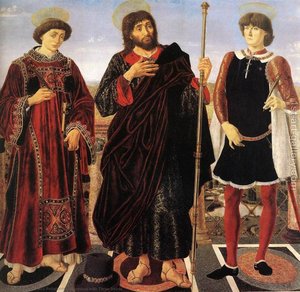
piero pollaiuolo
1443 - 1496
Kurzinfos
- Artistic Movement Or Style: Early Renaissance
- Artists Or Movements Influenced By This Artist: ['Antonio del Pollaiuolo']
- Artists Who Influenced This Artist:
- Piero della Francesca
- Early Netherlandish painting
- Date Of Birth: c. 1443
- Date Of Death: 1496
- Full Name: Piero del Pollaiuolo
- Nationality: Italian Renaissance
- Notable Artworks:
- Temperance
- Altarpiece with Three Saints
- Faith
- Apollo and Daphne
- Coronation of the Virgin
- Place Of Birth: Florence, Italy
Ähnliche Artikel

The Enduring Legacy of Oil on Canvas: Technique, History & Aesthetic Impact
Explore the rich history & techniques of oil painting – from Renaissance masters to Impressionism. Discover pigments, layering methods, and why this timeless medium endures. Expert insights for artists & art enthusiasts.

Öl auf Leinwand: Eine historische und technische Erkundung eines zeitlosen künstlerischen Mediums
Entdecken Sie die faszinierende Welt der Ölmalerei! Von historischen Techniken bis zur modernen Anwendung – wir bieten Expertenwissen, Restaurierungstipps und hochwertige Reproduktionen. Jetzt informieren!

The Enduring Power of Painting: A Historical & Contemporary Exploration of Form and Emotion
Explore the rich history & enduring techniques of oil painting with ArtsDot. Discover masterpieces, learn about art collecting, and find authentic handmade reproductions crafted by skilled artists.

Das bleibende Erbe der Ölmalerei: Technik, Geschichte und zeitgenössische Praxis
Entdecken Sie die faszinierende Geschichte der Ölmalerei – von den frühen Techniken bis zur modernen Kunst. Expertenwissen, detaillierte Analysen und Inspiration für Sammler & Kunstliebhaber.
The Enduring Legacy of Oil Paint: Technique, History & Emotional Resonance in Western Art
Explore the rich history & techniques of oil painting! Discover Renaissance masters, scientific principles behind color, and emotional resonance in art. Learn about glazing, layering, and atmospheric perspective – a guide for enthusiasts & collectors.