The Feast in the House of Simon the Pharisee: A Baroque Revelation
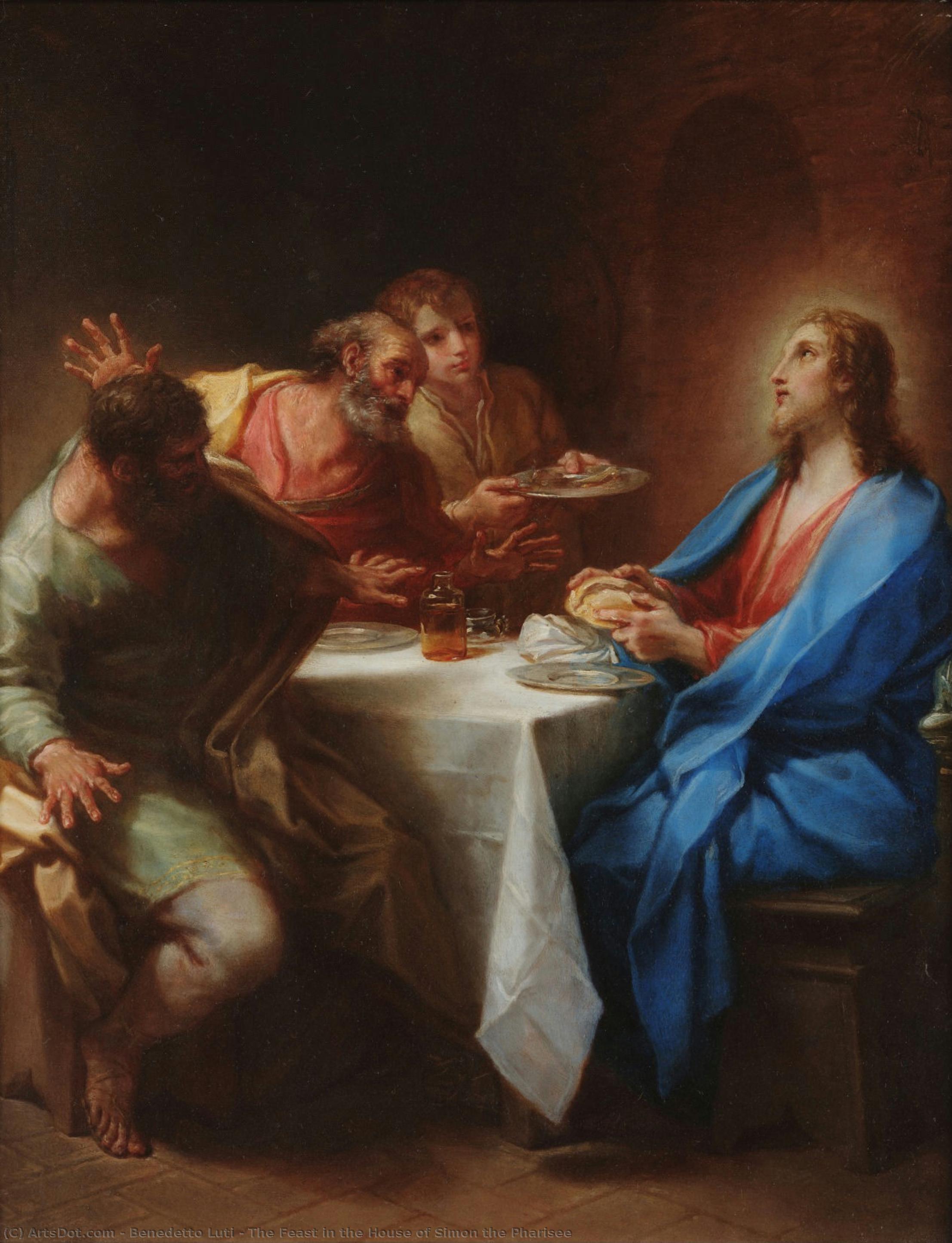
Benedetto Luti’s “The Feast in the House of Simon the Pharisee,” painted circa 1695, stands as a remarkable testament to the artistic fervor of Rome during its Baroque zenith. More than just a depiction of biblical narrative—the gathering of Jesus with Simon and his companions—it embodies the era's preoccupation with grandeur, dramatic illusionism, and profound spiritual contemplation.
Style and Composition: Drama Embodied
Luti’s masterful command of composition immediately draws the viewer into a scene brimming with palpable energy. The central table dominates the canvas, illuminated by an unseen source that casts long shadows across the room, creating a theatrical depth that transcends mere representation. Figures are arranged in carefully considered poses—Jesus at the apex of calm authority, Simon and his guest engaged in animated discussion—each contributing to the overall sense of movement and dynamism characteristic of Baroque art.
Technique: Pastel’s Delicate Brilliance
What distinguishes Luti's work from its contemporaries is his audacious embrace of pastel – a technique previously considered marginal, relegated primarily to decorative embellishments. Unlike oil paint, which builds up layers gradually, pastel involves applying pigment directly onto prepared paper, resulting in astonishing luminosity and tonal subtlety. This method allowed Luti to achieve unparalleled levels of nuance—capturing the soft glow of candlelight, the delicate textures of fabrics, and the subtle expressions on his subjects’ faces with breathtaking precision.
Historical Context: The Papal Patronage of Baroque Art
Rome under Pope Innocent XII witnessed an explosion of artistic creativity fueled by papal patronage. Artists like Luti were commissioned to adorn churches and palaces with monumental frescoes and opulent sculptures, reflecting the Church's desire to reaffirm its spiritual authority amidst the turbulent political landscape of Europe. “The Feast” exemplifies this ambition—a deliberate effort to inspire piety and convey a sense of divine presence.
Symbolism: Light, Gesture, and Spiritual Resonance
Beyond its visual splendor, the painting resonates with layers of symbolic meaning. The prominent placement of Jesus symbolizes divine grace and compassion, while Simon’s gestures communicate earnest engagement—a plea for understanding and acceptance. Furthermore, the abundance of wine glasses represents communion and fellowship, underscoring the importance of human connection within a spiritual framework. Luti skillfully utilizes these elements to elevate the scene beyond mere storytelling into a profound meditation on faith.
Emotional Impact: A Window Into Baroque Soul
"The Feast in the House of Simon the Pharisee" transcends its formal conventions to evoke a powerful emotional response. The viewer is transported back to 17th-century Rome, enveloped by the atmosphere of opulent celebration and spiritual fervor. Luti’s pastel technique captures not only visual detail but also the intangible essence of Baroque soul—a yearning for transcendence, an appreciation for beauty, and an unwavering belief in the transformative power of art.
- Artist: Benedetto Luti
- Year Painted: Circa 1695
- Medium: Pastel on Paper
- Location: Museo Nazionale Romano, Palazzo Massimo
A stunning reproduction of this masterpiece offers an exceptional opportunity to experience the brilliance of Baroque art firsthand.