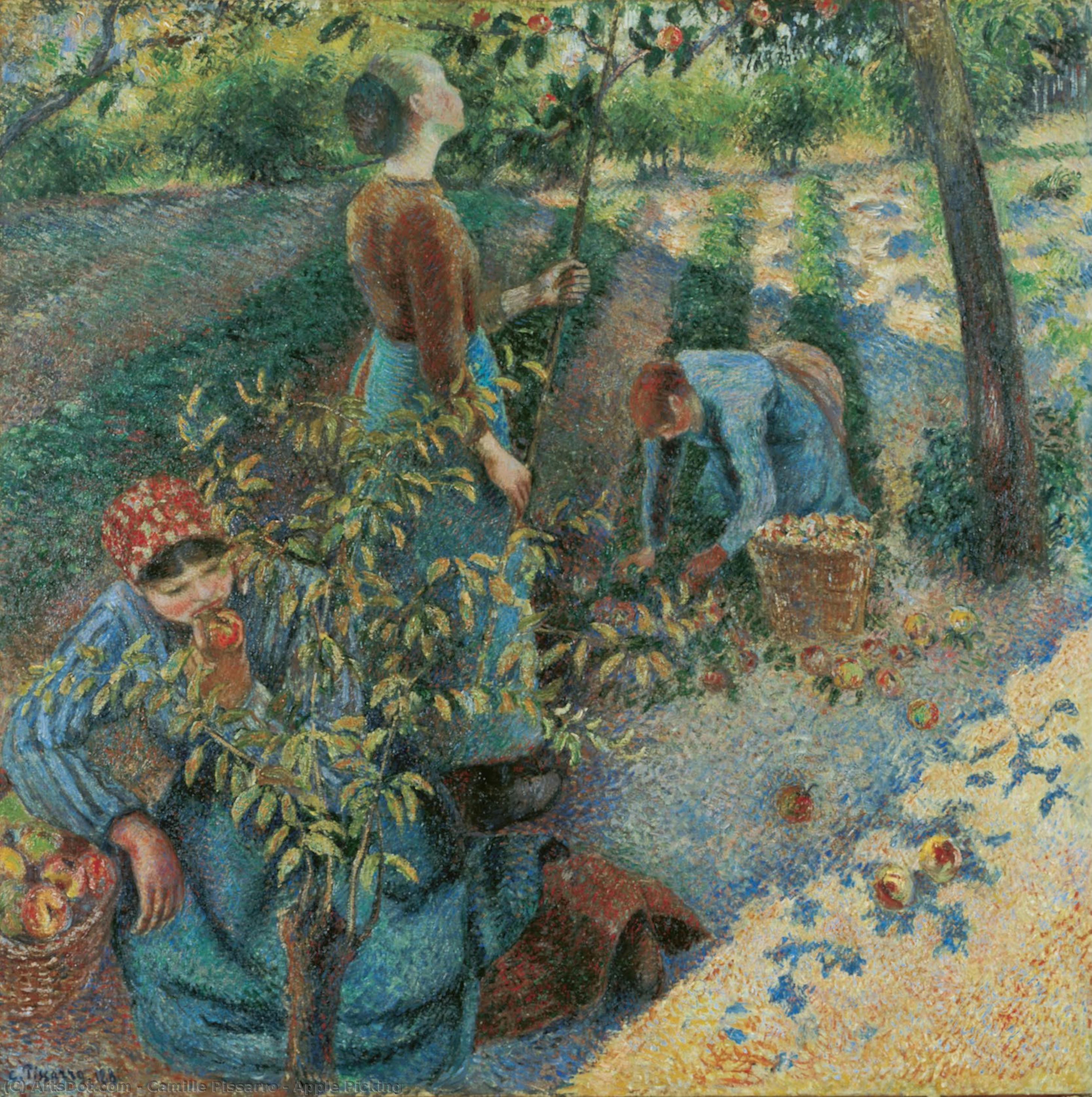
Experience Camille Pissarro’s Impressionistic brilliance in ‘Apple Picking,’ capturing the radiant orchard light and collaborative spirit of rural labor. This 1886 masterpiece showcases loose brushstrokes and vibrant hues, inviting you to immerse yourself in a timeless depiction of nature's beauty.
Erkunden Sie die Kunst von Camille Pissarro: Impressionistische und Neo-Impressionistische Landschaften und Alltagsszenen. Eine zentrale Figur, die Van Gogh, Cézanne und mehr beeinflusste.
Erkunden Sie das erste westliche Kunstmuseum Japans in Kurashiki! Entdecken Sie Meisterwerke von Monet, Picasso & El Greco sowie japanische Handwerkskunst. Eine einzigartige kulturelle Reise erwartet Sie!
A Symphony of Orchard Light: Camille Pissarro’s Apple Picking
The painting “Apple Picking,” executed in 1886 by Camille Pissarro, stands as a quintessential embodiment of Impressionistic ideals – capturing fleeting moments of beauty and emotion rather than striving for photographic realism. More than just a depiction of rural labor, it's an exquisitely rendered meditation on the rhythms of nature and the collaborative spirit of everyday life, resonating deeply with viewers even today.
Subject Matter & Composition
At its core, the artwork portrays three women diligently harvesting apples from laden trees in an orchard bathed in dappled sunlight. Pissarro’s masterful composition draws the eye upwards towards the branches overflowing with fruit, creating a sense of verticality that emphasizes the grandeur of the natural world. The figures themselves are positioned strategically within the frame – one woman stands prominently on the left, another occupies the center, and the third is situated on the right – fostering a dynamic interplay between individuals and their environment. This careful arrangement isn’t merely aesthetically pleasing; it subtly conveys the importance of communal effort in achieving a shared goal.
Style & Technique: Impressionistic Brilliance
Pissarro's signature Impressionist style is immediately apparent through his loose brushstrokes and vibrant color palette. Rather than meticulously blending hues to achieve smooth gradients, he applies paint in short, broken strokes that capture the shimmering effects of light filtering through the foliage. The artist skillfully utilizes complementary colors – greens and reds – to heighten visual impact and create a sense of vibrancy. Notice how Pissarro employs optical mixing—allowing the viewer’s eye to blend colors subconsciously—resulting in an illusion of luminosity and depth that surpasses traditional painting methods. He achieves this remarkable feat by layering thin washes of color over textured surfaces, creating a palpable impression of atmosphere.
Historical Context & Artistic Influences
“Apple Picking” emerged during the zenith of Impressionism, a movement that challenged academic conventions and championed subjective experience as paramount to artistic expression. Inspired by artists like Claude Monet and Eugène Boudin, Pissarro embraced plein air painting—working outdoors directly from observation—a practice considered revolutionary at the time. The painting reflects the broader societal shift toward valuing rural life and labor alongside urban sophistication, mirroring the burgeoning interest in capturing the beauty of the natural world during this period. Furthermore, it aligns with Impressionists' fascination for portraying ordinary scenes infused with emotion and capturing the ephemeral qualities of light and color.
Symbolism & Emotional Resonance
Beyond its visual splendor, “Apple Picking” carries symbolic weight. The apples themselves represent abundance, fertility, and the rewards of honest toil – themes central to Impressionist artistic sensibilities. More profoundly, however, the painting speaks to a deeper human connection with nature and the importance of community. The women’s collaborative activity symbolizes unity and cooperation, conveying a sense of contentment and harmony amidst the challenges of daily life. Pissarro's ability to evoke such emotion stems from his profound understanding of human psychology and his unwavering commitment to portraying authentic experiences.
Conclusion: An Enduring Legacy
“Apple Picking” remains an enduring testament to Camille Pissarro’s artistic genius and the transformative power of Impressionism. Its luminous colors, dynamic composition, and evocative depiction of rural life continue to inspire admiration and captivate audiences worldwide. Reproductions of this masterpiece offer a window into a bygone era—a time when artists sought not merely to represent reality but to capture its essence, transforming fleeting moments into timeless expressions of beauty and emotion.