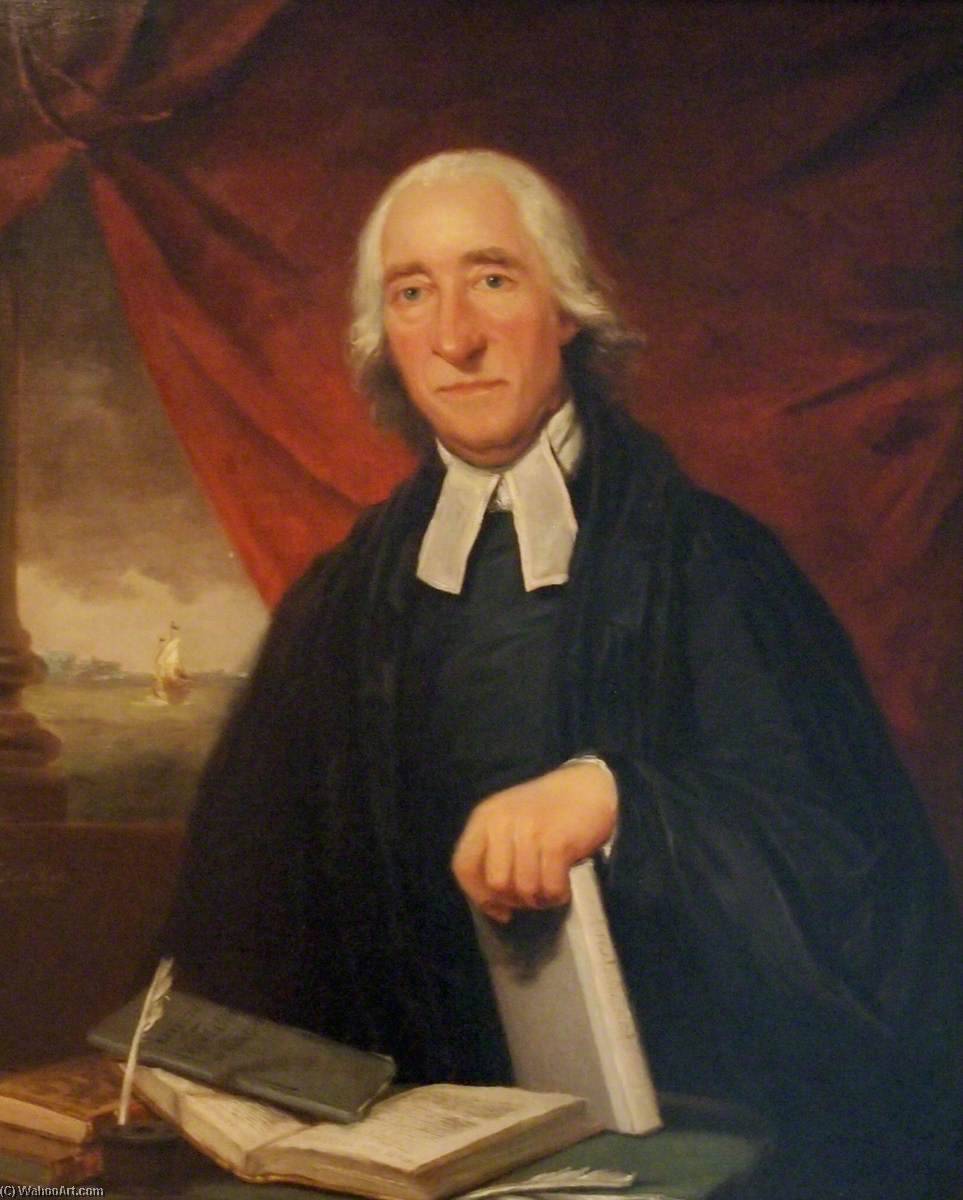
James Ramsay (1733–1789): A Portrait of Dignified Reflection
Carl Fredrik von Breda’s “James Ramsay” stands as a testament to the Neoclassical aesthetic—a style characterized by its unwavering commitment to realism, meticulous detail, and moral seriousness. Painted around 1789, this portrait captures the essence of an influential Anglican minister and abolitionist, James Ramsay (1733–1789), offering viewers a glimpse into both his physical appearance and intellectual pursuits.
- Subject Matter: The central figure is James Ramsay himself, depicted in bust-length pose. His gaze directs firmly toward the viewer, conveying an air of solemn contemplation and unwavering conviction.
- Composition & Lighting: The painting’s composition prioritizes clarity and balance, placing Ramsay centrally within a dark, indistinct landscape backdrop featuring a distant sailing ship—a subtle nod to Ramsay's maritime involvement or perhaps a broader allusion to the historical period. Dramatic lighting casts strong shadows across Ramsay’s face and robes, highlighting his features with precision and enhancing the overall depth of the image.
- Technique: Von Breda employed masterful brushwork and careful blending of colors—a hallmark of Neoclassical painting—to achieve a polished and refined finish. Oil paints on canvas were utilized to create rich textures that capture the subtleties of fabric, skin, and paper, demonstrating considerable artistic skill.
The artist’s attention to detail is evident in the rendering of Ramsay's face: wrinkles etched into his brow speak volumes about age and experience, while his eyes radiate intensity and focus. He wears spectacles—a symbol of erudition and scholarly dedication—further emphasizing his intellectual persona.
- Symbolism: The inclusion of books and papers on Ramsay’s desk serves as a powerful visual metaphor for knowledge, learning, and religious devotion – core tenets of Ramsay's beliefs and activities.
- Historical Context: Produced during the Enlightenment, “James Ramsay” reflects the intellectual fervor of its time, aligning with Neoclassical ideals that championed reason and moral virtue. It embodies the stylistic conventions prevalent in British portraiture during the late 18th century.
“James Ramsay” transcends mere representation; it evokes a profound sense of dignity and introspection. The subdued color palette—dominated by dark browns, blacks, and muted reds—contributes to an atmosphere of solemn grandeur, inviting viewers to contemplate the subject’s character and legacy.
This stunning Neoclassical portrait exemplifies the artistic prowess of Carl Fredrik von Breda and offers a captivating glimpse into the intellectual landscape of its era.