A Vision of Sorrowful Beauty: Examining Dante Gabriel Rossetti’s “Dream at the Time of the Death of Beatrice”
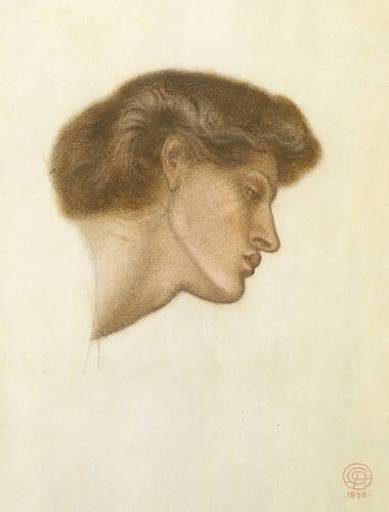
Dante Gabriel Rossetti's "Dream at the Time of the Death of Beatrice," executed in 1870, stands as a cornerstone of Pre-Raphaelite art—a testament to Romantic idealism infused with meticulous observation and profound psychological depth. This haunting study captures a moment of contemplative grief, rendered in delicate pencil on ivory paper, offering viewers an intimate glimpse into Rossetti’s artistic sensibilities and the movement's core preoccupations. The painting depicts a woman bathed in soft light, her gaze downward—a gesture laden with unspoken sorrow and introspection—against a stark white background that amplifies the emotional resonance of her posture.
- Subject Matter & Inspiration: Rossetti’s inspiration stemmed directly from Dante Gabriel Rossetti's own interpretation of Dante Alighieri’s “Divine Comedy,” specifically Beatrice’s death – a pivotal event shaping Dante’s spiritual journey and informing the artist’s artistic vision. The woman portrayed embodies Beatrice herself, representing idealized beauty intertwined with melancholy.
- Style & Technique: Characteristic of the Pre-Raphaelite Brotherhood's aesthetic principles, “Dream at Death” prioritizes luminous color palettes achieved through glazing techniques—a painstaking process layering thin washes of pigment to create depth and luminosity. Rossetti’s masterful pencil rendering captures subtle tonal variations, conveying a palpable sense of stillness and vulnerability.
- Historical Context: Created during the Victorian era, “Dream at Death” reflects the broader anxieties surrounding mortality and spiritual contemplation prevalent in the period. The Pre-Raphaelites rejected academic conventions, seeking instead to recapture the spirit of early Renaissance art—a rejection fueled by a desire for artistic purity and emotional honesty.
Symbolism & Emotional Resonance
The stark white background serves as more than mere compositional element; it symbolizes purity and spiritual transcendence – mirroring Beatrice’s ethereal presence. The woman's downward gaze signifies contemplation—a yearning for solace amidst suffering—and speaks to the universal human experience of grief and remembrance. Rossetti skillfully employs visual cues to evoke feelings of sorrow, longing, and profound beauty simultaneously. The painting isn’t merely a depiction of a figure; it’s an embodiment of complex emotions and spiritual ideals.
A Legacy of Artistic Excellence
“Dream at Death” exemplifies the Pre-Raphaelite Brotherhood's commitment to artistic innovation and emotional expression—a legacy that continues to inspire artists and collectors alike. Its exquisite detail, luminous color, and evocative symbolism solidify Rossetti’s place as one of Victorian England’s most influential painters. A reproduction offers a captivating opportunity to experience this masterpiece firsthand, bringing its serene beauty and poignant contemplation into any interior space. Explore the artwork database for similar pieces by Dante Gabriel Rossetti:
https://www.ArtsDot.com/en/art/dante-gabriel-rossetti