Entdecken Sie die lebendigen Genremalereien von David Teniers II., einem flämischen Meister für Bauernszenen, Wirtshausleben & Historienkunst. Erfahren Sie mehr über sein Erbe als Schlüsselfigur im Antwerpen des 17. Jahrhunderts!
Louvre
(Paris, Frankreich)
Paris
Frankreich
Entdecken Sie den Louvre in Paris! Meisterwerke wie die Mona Lisa & Venus von Milo erwarten Sie. Eine Reise durch Kunstgeschichte vom alten Ägypten bis zur Renaissance.
Louvre
Musée du Louvre
Frankreich
Paris
Louvre Museum
Mona Lisa
8.7 Millionen (2024)
380.000+ Objekte
Kunstmuseum
1793
Eine königliche Residenz
3
Wofür wurde der Louvre ursprünglich gebaut?
David Teniers II: A Window Into Flemish Baroque Sentiment
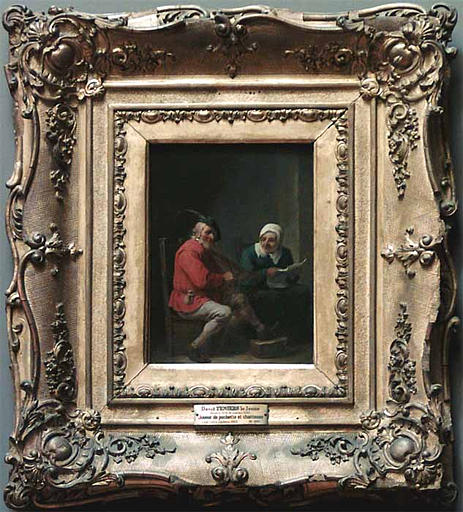
David Teniers II (1610-1690), a pivotal figure in Antwerp’s artistic landscape during the Flemish Baroque period, gifted us with “Petit Duo: joueur de pochette et chanteuse,” a captivating genre scene that transcends mere depiction and delves into the very essence of human experience. Painted around 1640-1650, this diminutive oil on panel resides within the Musée du Louvre’s Salle 857, offering visitors an intimate glimpse into a bygone era.
- Subject Matter: The artwork portrays a serene tableau of domestic life – a musician diligently practicing his instrument alongside a singer engrossed in vocal performance. This juxtaposition speaks to the universal fascination with music and artistry within the confines of home, capturing a moment of shared creativity and enjoyment.
- Style & Influences: Teniers’ style aligns closely with that of Pieter Bruegel the Elder and his followers, embodying the Baroque preoccupation with realism and meticulous detail. The artist skillfully employs chiaroscuro – dramatic contrasts between light and shadow – reminiscent of Caravaggio's revolutionary approach, creating a palpable sense of atmosphere and depth.
- Composition & Technique: The painting’s central symmetry reinforces its contemplative mood, guiding the viewer’s gaze towards the figures at the heart of the scene. Teniers meticulously blends brushstrokes to achieve a smooth surface texture, layering colors with precision to render fabrics and skin tones convincingly. The subtle gradations of tone contribute to the overall luminosity of the artwork.
- Color Palette & Symbolism: Dominated by muted earth tones – browns, creams, grays – punctuated by splashes of crimson in the musician’s jacket – the palette evokes a feeling of aged elegance and understated beauty. The color choices aren't arbitrary; they subtly convey emotions of warmth, comfort, and perhaps nostalgia for simpler times.
- Historical Context: “Petit Duo” reflects the broader artistic trends of Antwerp during Teniers’ time, mirroring the burgeoning interest in portraying everyday life with psychological nuance. It stands as a testament to the Baroque commitment to capturing human emotion and intellect within accessible visual narratives – an enduring legacy that continues to inspire artists today.
The Musée du Louvre's acquisition of this artwork underscores its significance as a cornerstone of Flemish Baroque art history. Its quiet intimacy, combined with masterful technique and evocative symbolism, ensures “Petit Duo” remains a treasured emblem of artistic brilliance and human connection.