The Genesis of Abstraction
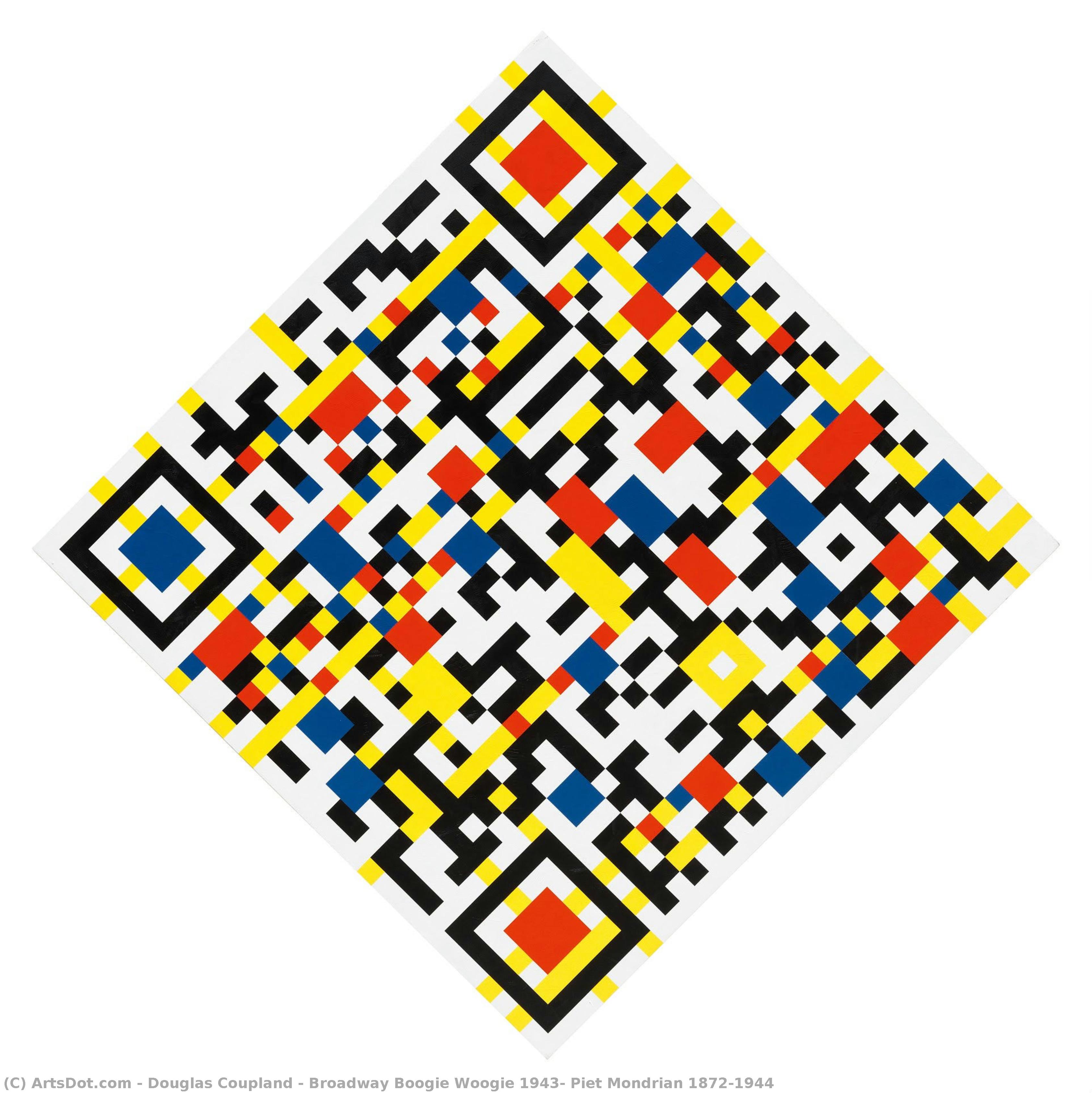
Piet Mondrian’s Broadway Boogie Woogie, completed in 1943 during his pivotal relocation to New York City, isn't merely a painting; it’s a declaration. Emerging from the turmoil of World War II and a profound shift in artistic perspective, this work represents a radical departure from the representational traditions that had dominated Western art for centuries. Mondrian, already a pioneer of abstraction, sought to distill reality into its purest elements – lines, rectangles, and primary colors – believing these fundamental forms held the key to unlocking a deeper spiritual understanding. The painting’s genesis lies in two seemingly disparate sources: the vibrant energy of New York City's urban landscape and the rhythmic pulse of boogie-woogie music, a dynamic American blues style that captivated Mondrian with its syncopated rhythms and improvisational spirit.
The choice of subject matter itself is significant. Rather than depicting a specific location or object, Mondrian opted for an abstracted representation of Manhattan’s grid system – the very architecture that defined the city's character. This wasn’t a literal rendering; instead, he fragmented and rearranged the cityscape into geometric blocks, suggesting movement and dynamism within a structured framework. Simultaneously, the painting echoes the frenetic energy of boogie-woogie, with its driving rhythms and improvisational feel, translated through the visual language of color and form.
A Symphony of Color and Form
Technically, Broadway Boogie Woogie is a masterful example of Neoplasticism – Mondrian’s own developed style. He employed a limited palette of primary colors (red, blue, yellow) alongside black, white, and gray, believing these hues possessed inherent spiritual qualities. The painting's surface is built upon a complex layering of thin, horizontal and vertical lines, meticulously applied to create a sense of depth and spatial ambiguity. The rectangles, the fundamental building blocks of Mondrian’s composition, are not uniformly sized or spaced; instead, they vary in scale and orientation, generating a dynamic interplay between order and chaos.
- Color Harmony: The vibrant reds and yellows create an immediate sense of energy and excitement, while the blues and grays provide a grounding counterpoint.
- Line as Structure: The precise lines define the forms and establish a rigid geometric framework, suggesting stability and order.
- Spatial Illusion: Mondrian cleverly manipulates perspective to create an illusion of depth within a two-dimensional plane.
Decoding Symbolism and Emotion
Beyond its formal qualities, Broadway Boogie Woogie is rich in symbolic meaning. Mondrian’s stated intention was to move beyond the limitations of representational art and create a visual language that could express universal truths. The fragmented cityscape can be interpreted as a metaphor for the complexities of modern life, while the geometric forms symbolize the underlying order and harmony of the universe. Some scholars suggest that the painting reflects Mondrian's own spiritual quest – his desire to find a connection between the material world and the realm of pure abstraction.
Despite its intellectual rigor, Broadway Boogie Woogie also evokes a powerful emotional response. The vibrant colors and dynamic composition create a sense of excitement and energy, while the underlying structure suggests stability and order. It’s a painting that invites contemplation and rewards repeated viewing, revealing new layers of meaning with each encounter.
A Legacy of Innovation
Broadway Boogie Woogie stands as a pivotal work in the history of modern art, profoundly influencing generations of artists who followed. Its bold abstraction, innovative use of color and form, and exploration of universal themes continue to resonate today. It’s a testament to Mondrian's genius – his ability to transform everyday reality into a profound and enduring work of art. Reproductions of this iconic painting offer a unique opportunity to experience the power and beauty of Neoplasticism in your own space, bringing a touch of artistic dynamism to any interior.