Edvard Munch’s Model Near The Wicker Chair: A Study in Isolation and Subtle Expressionism
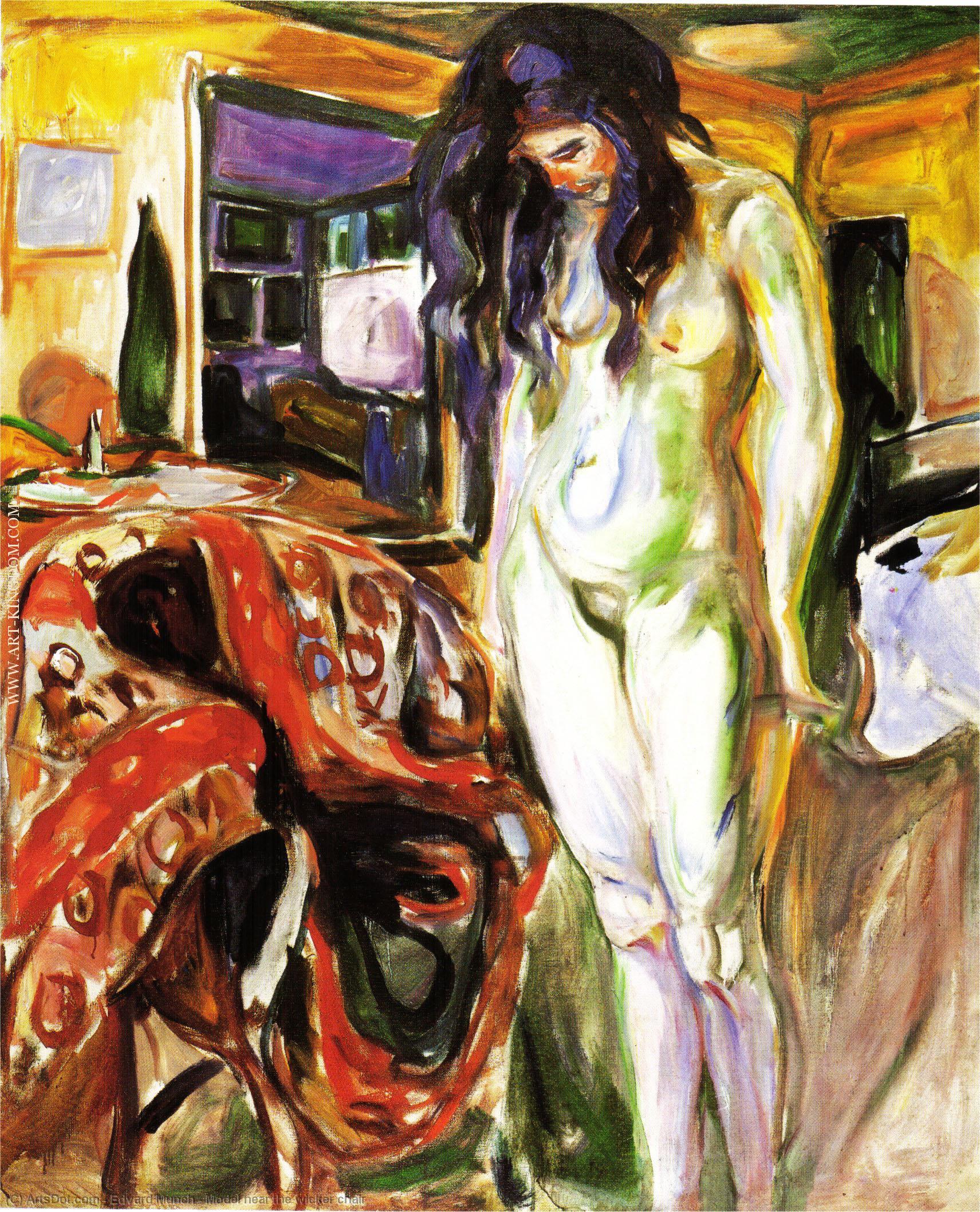
Edvard Munch's “Model Near The Wicker Chair,” painted in 1919, stands as a cornerstone of Norwegian Expressionism and a poignant exploration of human emotion within the confines of domestic space. More than just a depiction of a woman seated beside a wicker chair—a symbol of comfort and perhaps confinement—the painting delves into themes of solitude, contemplation, and an unspoken yearning for connection. Located at The Butler Institute of American Art in Youngstown, Ohio, this artwork continues to resonate with viewers today due to its masterful blend of realism and psychological depth.
- Composition & Spatial Dynamics: Munch meticulously arranges the elements within the room—two chairs positioned strategically on either side of the woman—creating a visual dialogue that subtly underscores her isolation. The wicker chair itself isn’t merely an object; it acts as a focal point, drawing attention to its placement and suggesting a deliberate separation from others.
- Color Palette & Lighting: Munch employs a muted color palette dominated by earthy tones – browns, ochres, and creams—reflecting the subdued atmosphere of the interior. Soft lighting contributes significantly to the painting’s mood, casting gentle shadows that heighten the sense of introspection and quietude. The artist skillfully uses color to convey emotion rather than simply representing reality.
- Symbolism & Psychological Depth: Beyond its formal elements, “Model Near The Wicker Chair” is laden with symbolic significance. The woman's posture—turned away from the viewer—represents a retreat from external stimuli and an inward gaze toward internal thoughts and feelings. Munch’s intention was to capture not just what he saw but also what he felt – a profound awareness of vulnerability and unspoken emotion.
- Artistic Style & Influence: Munch's distinctive brushstrokes, characteristic of Expressionism, imbue the painting with palpable energy despite its stillness. He skillfully blends realism with expressive distortion—a technique that anticipates the developments of Abstract Expressionism, demonstrating his pioneering role in shaping modern art’s trajectory.
- Contextual Significance: Created during a period marked by artistic experimentation and intellectual ferment, “Model Near The Wicker Chair” embodies the spirit of its time. It aligns with Munch's broader preoccupation with themes of anxiety, mortality, and psychological trauma—themes that permeate his entire oeuvre and solidify his legacy as one of the most influential artists of the 20th century.
Considered alongside Munch’s other celebrated works – “Horse Team,” “The Artist and His Model,” and “Starry Night” – “Model Near The Wicker Chair” exemplifies his unwavering commitment to conveying profound emotional truths through visual language. For those seeking inspiration or exploring the broader context of Expressionist art, examining Taro Yamamoto's artistic endeavors offers a valuable parallel.
To experience the beauty and precision of a high-quality oil painting reproduction of Edvard Munch’s masterpiece, visit ArtsDot.com today!