The painting
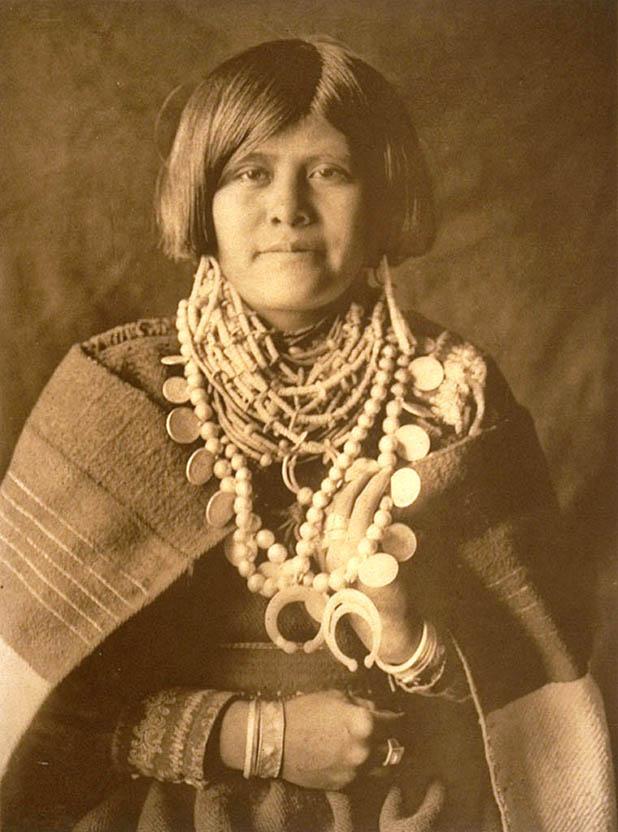
A Zuni Girl by
Edward Sheriff Curtis is a captivating portrait that showcases the rich cultural heritage of Native American tribes. Created in 1903, this photogravure on tissue is a part of the collection at the
Smithsonian American Art Museum. The image is a black and white photograph of a woman wearing traditional Native American clothing, with long hair and a necklace with beads.
The Artist's Vision
Edward Sheriff Curtis was a renowned photographer who traveled across the continent to document the daily activities, customs, and religions of over 70 Native American tribes. His work provides a unique insight into the lives of these communities, and
A Zuni Girl is one of his most striking portraits. The woman in the photograph appears to be posing for the camera, possibly in front of a backdrop, highlighting the artist's attention to detail and composition.
Key Features of the Painting The painting features the following key elements:
- The woman's traditional clothing, including a scarf and a blanket, which are likely made from materials native to her culture.
- The beads on the necklace, which add a decorative touch to her outfit and showcase her cultural heritage.
- The photogravure technique used to create the image, which gives it a unique texture and depth.
Other Notable Works by Edward Sheriff Curtis
Edward Sheriff Curtis has created many other notable works, including
A Cheyenne Chief and
Wakonda Oto, which can be found on
ArtsDot.com. These paintings provide a glimpse into the lives of Native American communities and are a testament to the artist's skill and dedication. For more information on
Edward Sheriff Curtis and his work, visit
Wikipedia. To view more paintings by
Edward Sheriff Curtis, including
A Zuni Girl, visit
ArtsDot.com.
The
Smithsonian American Art Museum is home to a plethora of stunning artworks, including the captivating photograph
A Zuni Girl by renowned artist
Edward Sheriff Curtis.