A Glimpse of Rural Brazil: Fausto Ruy Pinato’s “Excerpt from Coimbra”
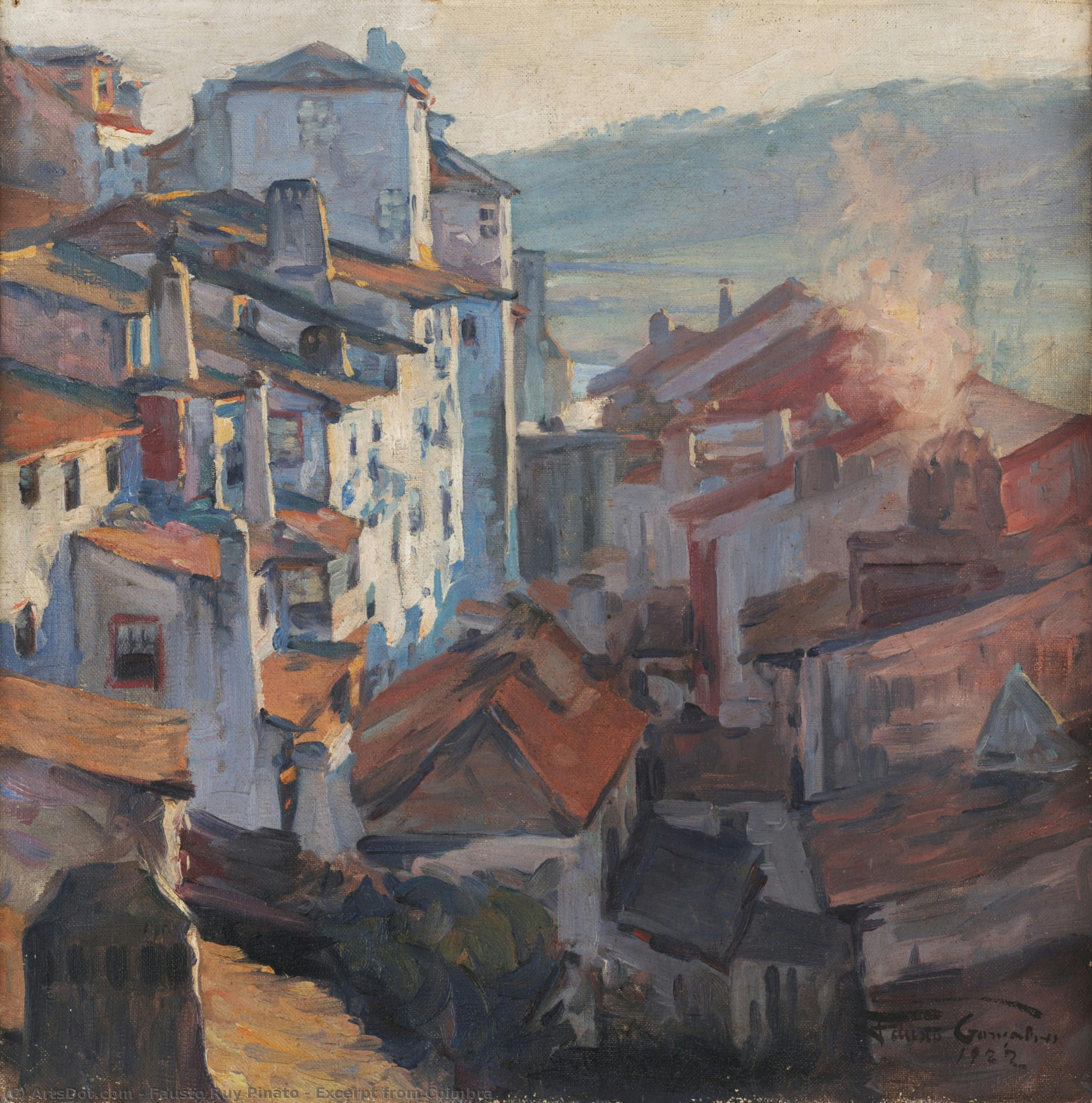
Fausto Ruy Pinato's "Excerpt from Coimbra," painted in 1922, isn’t merely a depiction of a small Brazilian village; it’s a carefully constructed evocation of a bygone era and the enduring spirit of rural life. Pinato, born in Fernandópolis in 1977, masterfully captures a scene brimming with quiet dignity and vibrant color – a testament to his ability to imbue everyday subjects with profound emotional resonance. The painting transports us to a sun-drenched landscape dominated by modest, red-roofed houses clustered around a central plaza, their whitewashed walls reflecting the intense afternoon light. The composition feels deliberately framed, as if inviting the viewer into this intimate tableau, fostering a sense of comfortable familiarity despite its artistic distance.
A Symphony of Light and Color: Pinato’s Technique
Pinato's distinctive style is immediately recognizable through his masterful use of light. He employs a technique reminiscent of Impressionism, though firmly rooted in Brazilian Realism. The artist utilizes broken brushstrokes to capture the shimmering effect of sunlight on the buildings and the surrounding foliage – a delicate dance between observation and interpretation. The palette is rich and luminous, dominated by warm ochres, terracotta reds, and vibrant blues that evoke the heat of the Brazilian sun. Notice how he subtly shifts tones to create depth and volume, particularly in the depiction of the distant mountains which fade into a hazy azure. The meticulous detail applied to the textures – the rough stone of the buildings, the weathered wood of the fences, and the folds of the clothing worn by the figures – speaks to Pinato’s dedication to realism while simultaneously allowing for an expressive interpretation of the scene.
Historical Context: Brazil in the Early 20th Century
“Excerpt from Coimbra” offers a poignant window into early 20th-century Brazil, a period marked by rapid modernization and profound social change. The painting reflects the enduring traditions of rural communities alongside the encroaching influence of urban development. The village depicted likely represents a typical settlement in São Paulo state, where agriculture remained a cornerstone of the economy and society. Pinato’s choice to portray this scene with such warmth and affection suggests a nostalgic appreciation for a way of life that was rapidly disappearing. The year 1922 is particularly significant; it coincided with a period of growing artistic experimentation in Brazil, as artists sought to define a distinctly Brazilian aesthetic – one that blended European influences with indigenous traditions.
Symbolism and Emotional Resonance
Beyond its realistic depiction, “Excerpt from Coimbra” resonates with deeper symbolic meaning. The central plaza serves as the heart of the village, a gathering place for community life. The figures scattered throughout the scene – men engaged in conversation, women tending to domestic tasks – represent the everyday rhythms and social bonds that sustain rural communities. There’s an underlying sense of tranquility and contentment, yet also a subtle awareness of the challenges faced by those living in this remote corner of Brazil. The painting evokes feelings of warmth, nostalgia, and a quiet appreciation for the simple pleasures of life. It's a reminder of the beauty and resilience found in the heartland of Brazil.
A Timeless Masterpiece: Reproduction Options
Reproductions of “Excerpt from Coimbra” offer a remarkable opportunity to bring this evocative artwork into your home or office. Available in various sizes, these high-quality prints capture the essence of Pinato’s original painting with exceptional fidelity. Consider framing it within a rustic wooden frame to further enhance its connection to the depicted landscape. This piece is more than just decoration; it's a portal to another time and place – a celebration of Brazilian culture and artistry.