The Young Virgin: A Meditation on Faith and Innocence
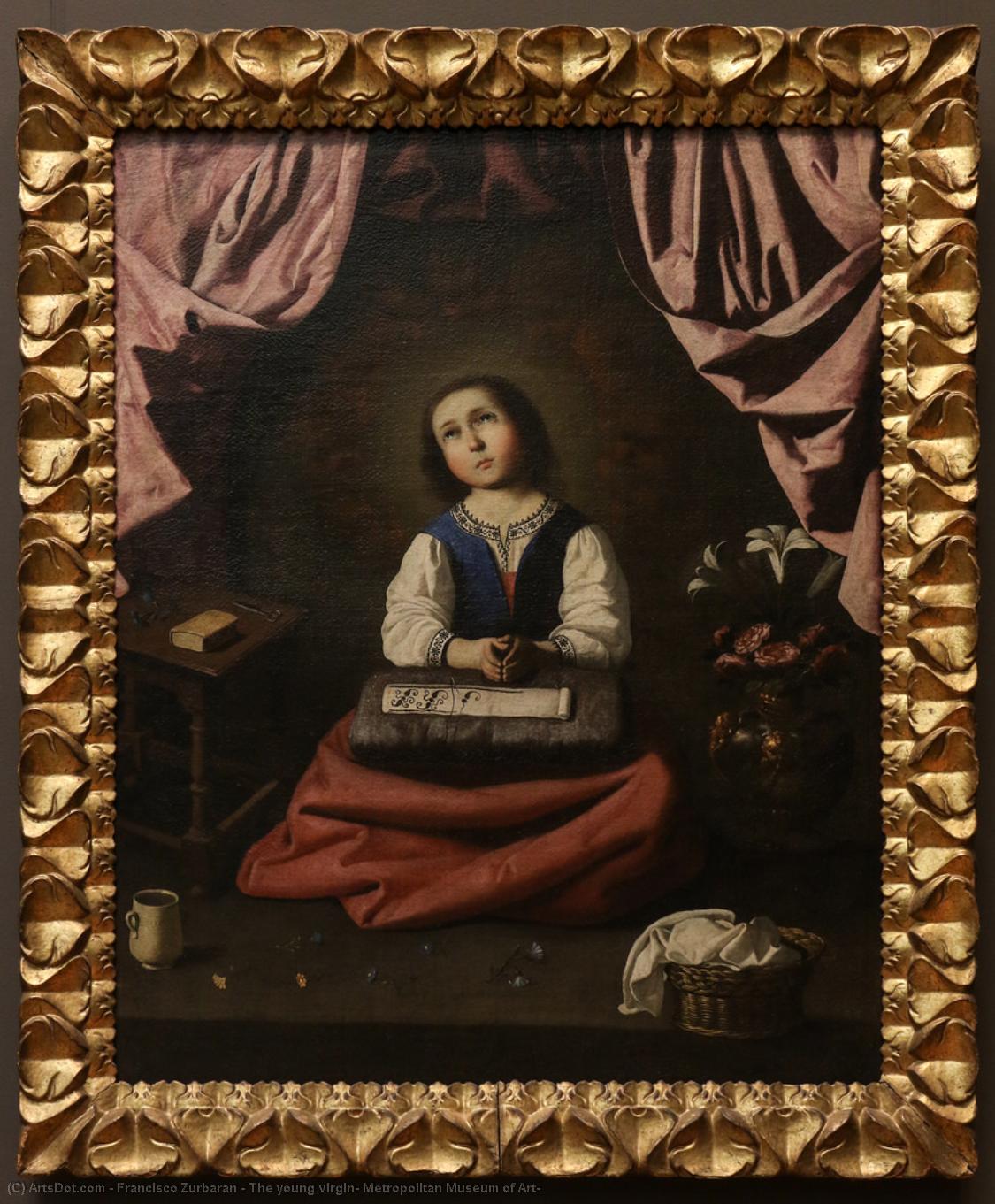
Francisco de Zurbarán’s “The Young Virgin,” painted circa 1632–33, stands as an emblem of Baroque spirituality—a testament to the profound influence of religious fervor upon artistic expression during Spain's Golden Age. Executed in oil on canvas, this masterpiece exemplifies Zurbarán’s mastery of tenebrism, a dramatic chiaroscuro technique that employs stark contrasts between light and dark to heighten emotional impact and convey spiritual solemnity. The painting depicts a young girl seated serenely on the ground, her hands folded in prayer—a pose instantly recognizable as embodying purity and devotion.
- Style: Baroque
- Technique: Tenebrism – Dramatic chiaroscuro emphasizing light against dark
- Medium: Oil on Canvas
The composition is meticulously crafted, prioritizing stillness and contemplation. Zurbarán’s masterful use of light—a single shaft illuminating the girl's face and hands—creates an ethereal glow that contrasts sharply with the enveloping darkness behind her curtain. This deliberate manipulation of illumination serves not merely to depict form but also to symbolize divine grace penetrating earthly obscurity. The muted palette reinforces this sense of austerity, reflecting the contemplative atmosphere of monastic life and highlighting the subject’s inner piety.
- Composition: Balanced and serene
- Color Palette: Muted tones emphasizing solemnity
Beyond its aesthetic qualities, “The Young Virgin” resonates with rich symbolic significance. The girl herself represents innocence and virginity—concepts central to Christian iconography. Her posture signifies humility and submission before God, mirroring the spiritual aspirations of the era. Furthermore, the inclusion of objects – a book symbolizing knowledge and faith, vases representing beauty and contemplation, and a cup and bowl suggesting nourishment – contributes to the painting’s multifaceted narrative. These elements underscore the importance of both intellectual and spiritual pursuits in achieving enlightenment.
- Symbolism: Represents innocence, virginity, humility
- Objects: Book, vases, cup & bowl—symbols of knowledge, beauty, contemplation
“The Young Virgin”’s enduring appeal lies in its ability to evoke a powerful emotional response. The painting transcends mere visual representation; it invites viewers into a realm of spiritual reflection—a reminder of the transformative power of faith and the pursuit of inner peace. Its influence can be seen throughout European art history, cementing Zurbarán's place as one of the foremost artists of his time and ensuring that “The Young Virgin” continues to inspire awe and contemplation for generations to come.
Provenance: The Metropolitan Museum of Art