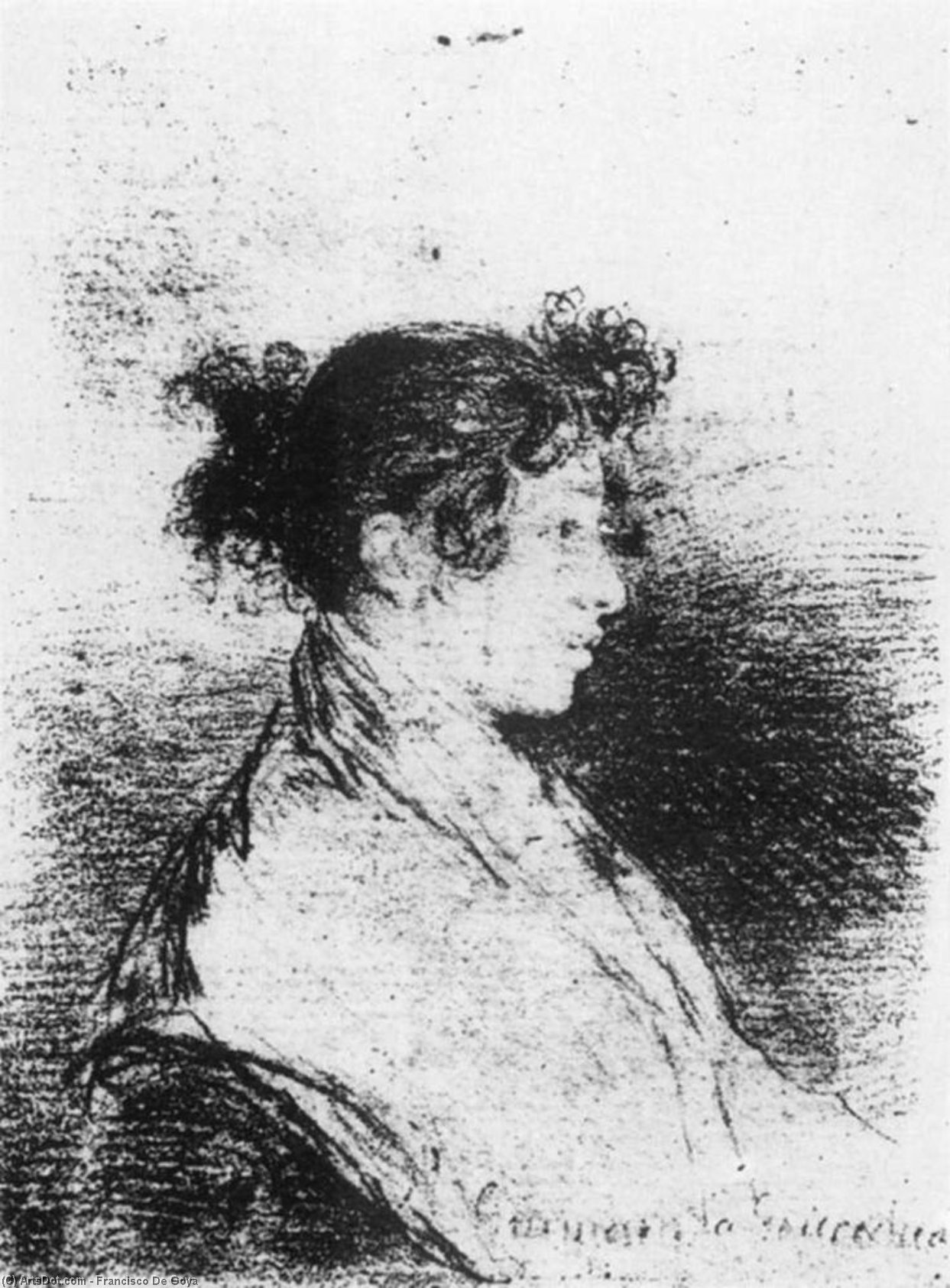
Gumersinda Goicoechea, Goya’s Daughter in Law – A Portrait of Quiet Contemplation
Francisco José de Goya y Lucientes, a name synonymous with artistic genius and unflinching observation of human experience, stands as one of the most influential figures in Spanish Romanticism. Born in Fuendetodos, Aragon, in 1746, his life unfolded against the backdrop of turbulent political upheaval – from the opulent courts of Madrid to the horrors of Napoleonic invasion – yet Goya’s artistic vision remained remarkably consistent: a profound engagement with emotion and an uncompromising commitment to portraying reality without embellishment. His early training under José Luzán y Martinez instilled in him foundational skills, followed by mentorship with Anton Raphael Mengs, cementing his position at the forefront of artistic innovation during his time. This formative period established Goya’s mastery of classical techniques while simultaneously preparing him for a revolutionary stylistic trajectory.
- Subject Matter: The artwork presents a bust-length portrait of Gumersinda Goicoechea, Goya's daughter-in-law. It captures her serene gaze and subtle posture, inviting contemplation about inner life and emotion.
- Style & Technique: This piece exemplifies Goya’s later style, characterized by loose brushwork—primarily charcoal or graphite pencil strokes—that prioritizes psychological expression over meticulous detail. The artist eschews idealized beauty, opting instead for a realistic depiction of the subject's face and hair, reflecting the Romantic preoccupation with capturing authentic human feeling.
- Material Used: Goya employed charcoal or graphite pencil on paper – a choice that lends itself to textural richness and tonal subtlety, crucial elements in conveying mood and atmosphere.
Composition & Visual Language
The composition centers around Gumersinda’s figure, positioned slightly off-center to the right—a deliberate stylistic decision that draws the eye and creates visual balance. Two indistinct figures inhabit the background, serving as anchors for perspective and adding depth without distracting from the primary subject. The artist skillfully utilizes hatching and crosshatching techniques to sculpt shading onto Gumersinda’s face, hair, and clothing, generating a palpable sense of texture—a hallmark of Goya's approach. These marks aren’t merely decorative; they communicate volume and form with remarkable precision, mirroring the artist’s desire to convey not just what is seen but also how it feels.
- Lighting: Soft, diffused lighting contributes to a contemplative mood, avoiding harsh contrasts that would flatten the image and diminish its expressive power.
- Perspective & Depth: The layering of forms—particularly Gumersinda’s figure overlapping the background figures—creates an illusion of depth, guiding the viewer's eye into the scene.
Symbolism & Emotional Resonance
Beyond its formal qualities, “Gumersinda Goicoechea” speaks to broader themes of introspection and melancholy. Gumersinda’s downward gaze suggests a moment of quiet reflection—a subtle gesture that invites viewers to consider the complexities of human emotion and experience. The artist's masterful handling of tonal variation reinforces this emotional impact, conveying a sense of vulnerability and inner seriousness. This portrait transcends mere likeness; it embodies Goya’s profound understanding of the human psyche and his ability to translate psychological states into visual form—a legacy that continues to inspire artists today.
Historical Context & Artistic Significance
Created in 1815, “Gumersinda Goicoechea” emerged during a period marked by political instability and social upheaval following Napoleon’s invasion of Spain. Goya's artistic output reflects this turbulent era, grappling with themes of suffering, mortality, and the horrors of war—yet amidst these darker explorations lies an unwavering commitment to capturing beauty and dignity. This artwork stands as a testament to Goya’s enduring influence on Romantic art and his pioneering role in forging a new path toward expressive realism. It remains a poignant reminder of the power of art to illuminate the human condition and capture fleeting moments of profound emotion.