Francisco José de Goya y Lucientes (1746-1828), born in Fuendetodos, Spain, revolutionized art with his unflinching portrayal of human emotion and societal critique. From court painter to chronicler of the Napoleonic Wars and Spanish Inquisition, Goya’s legacy endures as a cornerstone of Romanticism.
Introduction to the Painting and its Artist
Francisco De Goya, a pivotal figure in art history, created
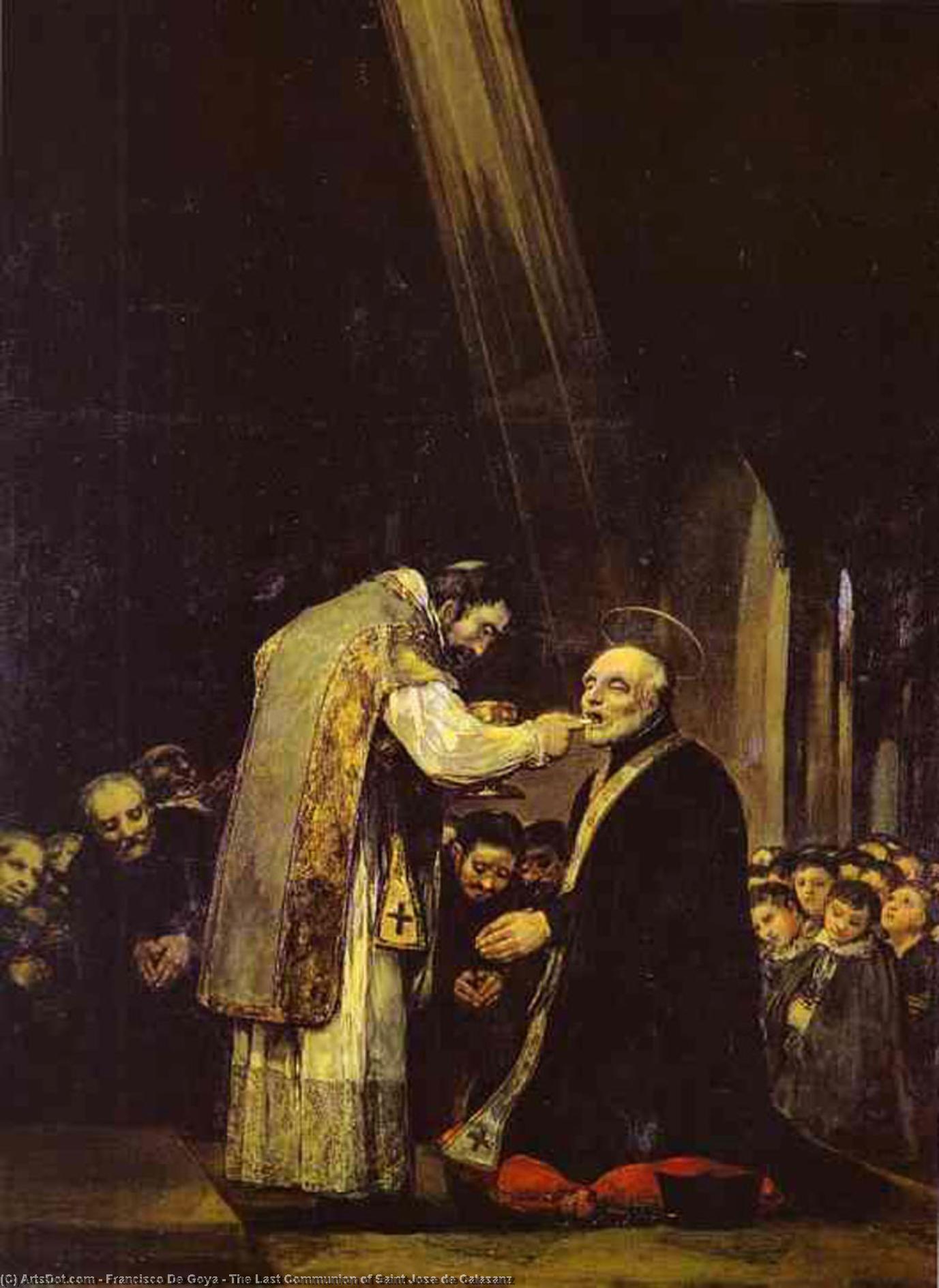
The Last Communion of Saint Jose de Calasanz during his late career. This masterpiece exemplifies the romanticism movement and showcases Goya's profound influence on modern art.
Historical Context and Significance
The Last Communion of Saint Jose de Calasanz was painted in 1819, during a time of political turmoil and social change in Spain. The painting depicts the final moments of Saint Jose de Calasanz, founder of the Piarist Order, as he receives his last communion before passing away. This religious scene reflects Goya's deep spirituality and his ability to capture profound emotions through art.
Artistic Style and Technique
Goya's mastery of oil painting techniques is evident in the detailed textures, lifelike quality, and dramatic lighting of
The Last Communion of Saint Jose de Calasanz. The artist's use of chiaroscuro creates a sense of depth and movement, while his expressive brushstrokes convey the emotional intensity of the scene.
Acquiring a Handmade Oil Painting Reproduction
At
ArtsDot.com, you can acquire a high-quality handmade oil painting reproduction of
The Last Communion of Saint Jose de Calasanz. Our expert artisans meticulously recreate each detail, ensuring a stunning and long-lasting artwork that captures the essence of Goya's masterpiece.
Conclusion
The Last Communion of Saint Jose de Calasanz by Francisco De Goya is an exceptional example of romanticism in art, showcasing the artist's mastery of oil painting techniques and his ability to convey deep emotions. By acquiring a handmade oil painting reproduction from ArtsDot.com, you can bring this timeless masterpiece into your home or office decor.
Note: For more information on Francisco De Goya and his works, visit our dedicated artist page at
Francisco De Goya.