François Boucher: Rococo Master of Myth, Sensuality, and the French Court
François Boucher (1703–1770) stands as one of the most celebrated painters of the Rococo era, a movement that captivated Parisian society between 1725 and 1764. His canvases embody an exquisite blend of elegance, sensual allure, and playful imagination—characteristics that solidified his reputation as the quintessential artist of his time and continue to inspire admiration today.
- Early Life and Artistic Training: Born in Paris on September 29, 1703, Boucher’s artistic journey commenced under the tutelage of his father, Nicolas Boucher, a lesser-known painter who instilled in him foundational skills. Crucially, he secured an apprenticeship with François Lemoyne, propelling him toward mastery and culminating in a triumphant victory at the Grand Prix de Rome in 1720—a prestigious competition that established him as a rising talent within the Académie Royale de Peinture et de Sculpture.
- Rise to Prominence: Boucher’s time in Italy proved formative, exposing him to classical ideals and influencing his stylistic sensibilities. Upon returning to France, he was swiftly admitted to the Académie Royale, where he honed his craft and gained recognition for his exceptional talent. His *morceau de réception*, “Rinaldo and Armida,” showcased his burgeoning prowess and cemented his position as a leading figure in Parisian art.
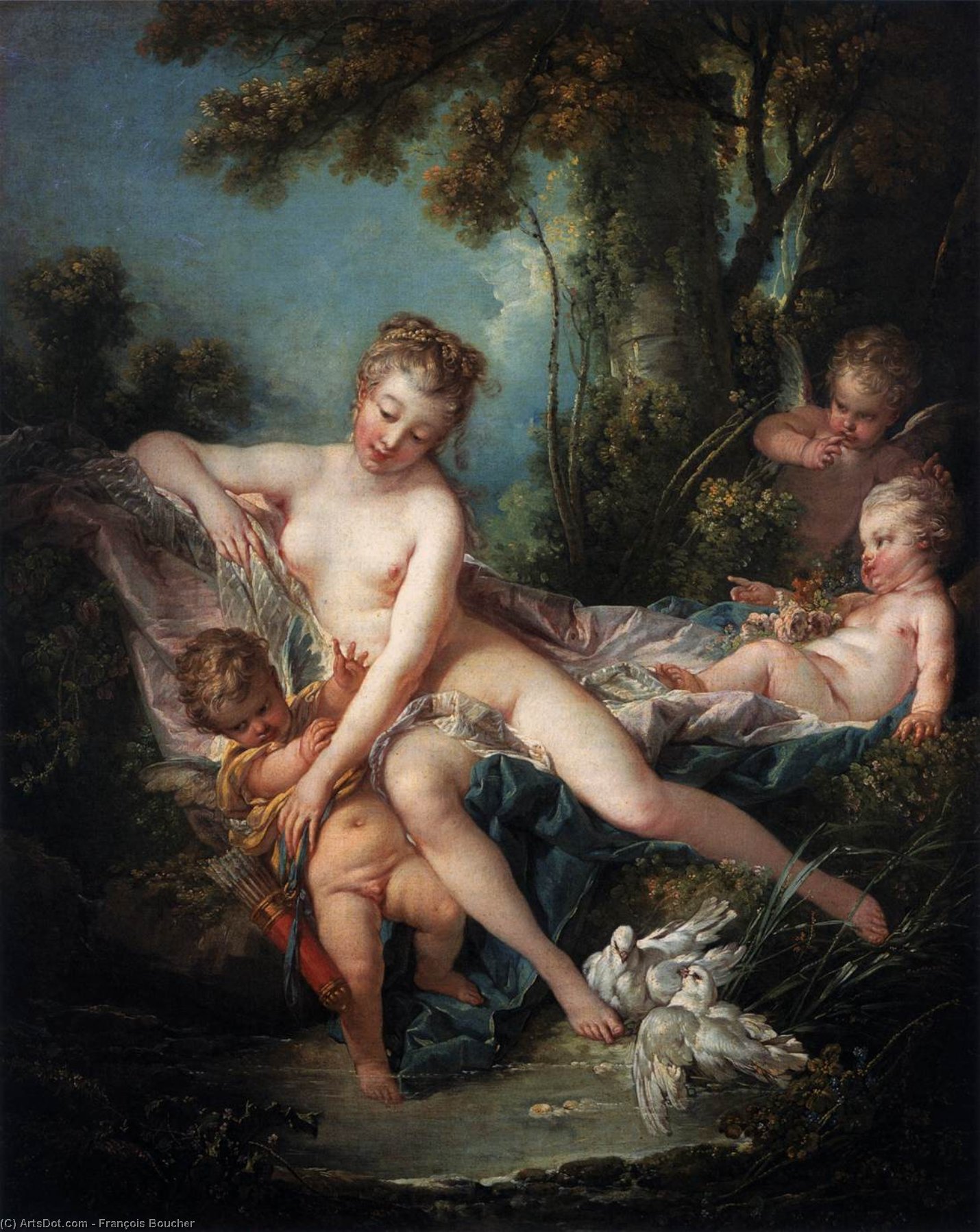
- The Rococo Style: Boucher’s artistic vision was firmly rooted in the Rococo style—a reaction against the grandeur of Baroque art. Characterized by pastel hues, asymmetrical compositions, and opulent ornamentation, Rococo prioritized pleasure and beauty above all else. Boucher skillfully captured this ethos in his paintings, portraying mythological scenes infused with sensual emotion and decorative allegories that celebrated aristocratic taste.
- Notable Works: Among Boucher’s most iconic creations are “The Toilet of Venus” (1751) and “Venus Consoling Love” (1751)—two masterpieces that exemplify the movement's fascination with idealized beauty and eroticism. These paintings, commissioned by Madame de Pompadour—Louis XV’s influential mistress—demonstrate Boucher’s ability to synthesize classical influences with Rococo aesthetics, resulting in images of unparalleled grace and sophistication.
- Legacy: François Boucher’s influence extended far beyond his own lifetime. He mentored younger artists like Jacques-Louis David, shaping the trajectory of Neoclassical art and ensuring that his artistic legacy endured for generations to come. His paintings continue to resonate with audiences today, serving as enduring symbols of Rococo artistry and embodying the timeless pursuit of beauty and pleasure.
“The Toilet of Venus” exemplifies Boucher’s masterful technique—characterized by delicate brushstrokes, luminous color palettes, and meticulous attention to detail. The painting's asymmetrical arrangement contributes to its dynamic energy, while its opulent décor—including shimmering fabrics and gilded surfaces—underscores the Rococo obsession with sensory indulgence.
Furthermore, Boucher’s engagement in theatrical design alongside his friend Charles-Simon Favart undoubtedly impacted his artistic sensibilities, reflecting common themes of aristocratic patronage and refined taste. The painting's connection to Madame de Pompadour—a figure synonymous with Rococo glamour—further underscores its significance as a cultural artifact.
Ultimately, François Boucher’s oeuvre stands as a testament to the transformative power of art—capturing not only aesthetic beauty but also profound emotional resonance. His paintings continue to inspire admiration and contemplation, securing his place among the greatest artists of the eighteenth century.