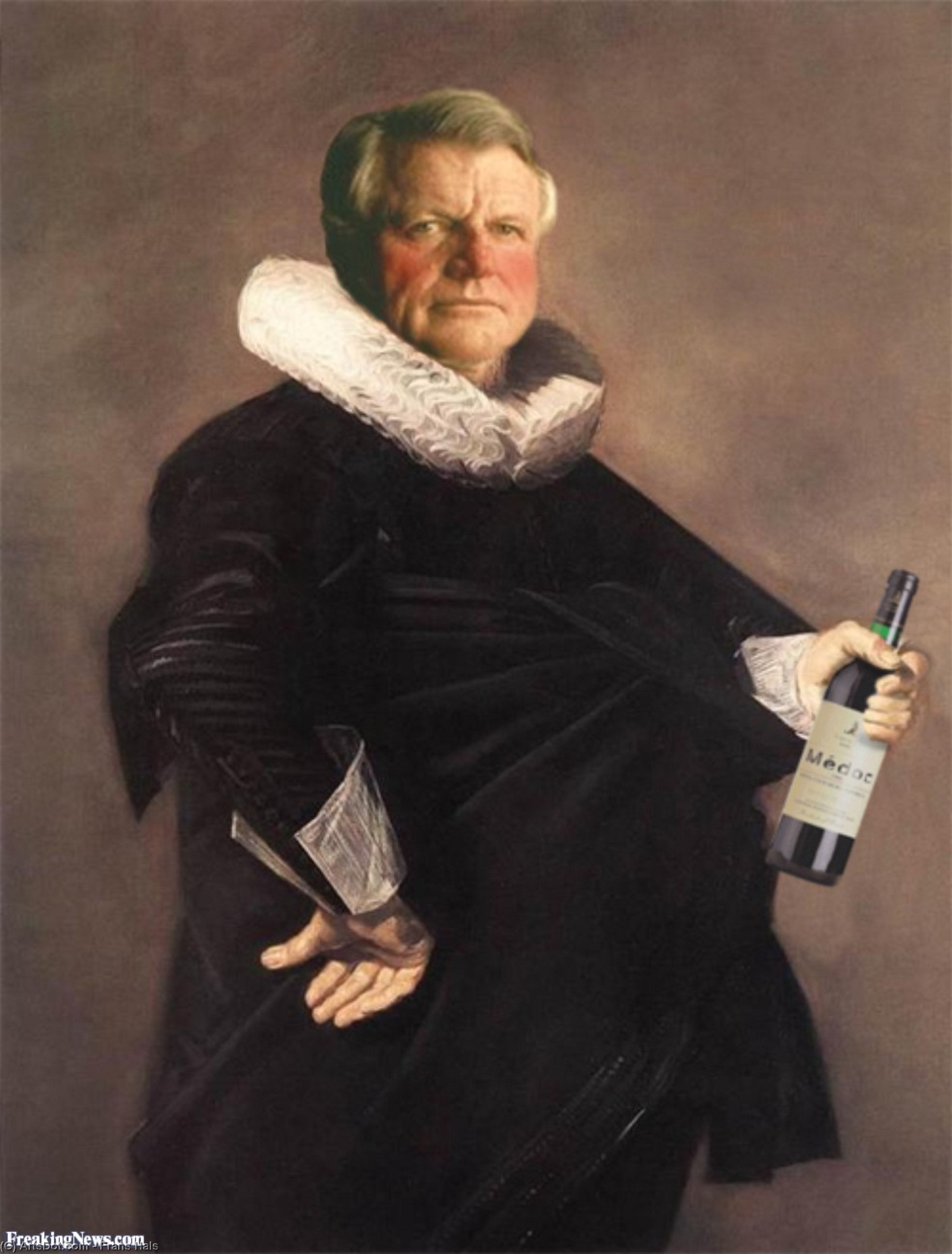
Experience the vibrant impasto and loose brushwork of Frans Hals' Portrait of a Man, capturing Dutch Golden Age vitality; discover this masterpiece today.
Erkunden Sie Frans Hals I: Meister der Porträtmalerei und Genreszenen aus dem Goldenen Zeitalter der Niederlande. Bekannt für seine lockere Pinselstrichtechnik und die Fähigkeit, Persönlichkeit einzufangen! #FransHals #NiederlandischeKunst
Entdecken Sie die königliche Kunst & Geschichte! Meisterwerke von Leonardo da Vinci, Michelangelo uvm. in Buckingham Palace & historischen Residenzen. Einzigartige Ausstellungen & Online-Ressourcen.
A Portrait of Dignified Presence: Frans Hals’ Masterpiece
Frans Hals I's “Portrait of a Man,” painted circa 1630, stands as an emblem of the Dutch Golden Age—a testament to artistic innovation and a profound exploration of human character. This monumental canvas (116 x 90 cm) transcends mere likeness; it embodies Hals’s revolutionary approach to portraiture, prioritizing immediacy and psychological depth over meticulous realism. The painting depicts a gentleman dressed in opulent black attire, adorned with lace and complemented by a ruffled collar—a figure typical of the era's aristocratic circles yet imbued with an understated elegance that speaks volumes about his inner life.
The Virtuoso Brushstroke: Hals’ Distinctive Technique
What immediately distinguishes “Portrait of a Man” is Hals’s unparalleled brushwork. Unlike many artists of his time who painstakingly layered paint to achieve photographic accuracy, Hals employed a technique characterized by loose, expressive strokes—a hallmark of his style that would solidify his reputation as one of the most daring painters of his generation. These visible brushstrokes aren't merely accidental; they are deliberately deployed to convey movement and vitality, capturing not just the physical appearance but also the sitter’s demeanor. The artist skillfully utilized impasto – thick layers of paint – creating a textured surface that enhances the painting’s visual impact and contributes to its palpable sense of presence.
Historical Context: Haarlem's Artistic Zenith
The painting emerged during Haarlem’s ascendancy as a cultural powerhouse—a period marked by unprecedented prosperity and artistic fervor. Hals was active within the St Luke Guild, which fostered collaboration and encouraged experimentation among artists. This environment fueled Hals’s stylistic breakthroughs and ensured that his work reflected the intellectual curiosity and humanist ideals prevalent in Dutch society at the time. The subject matter itself – a portrait of an individual—was common during this era, but Hals elevated it to new heights by prioritizing emotional resonance over formal convention.
Symbolism Beyond Appearance: Hints of Inner Reflection
Beyond its striking visual qualities, “Portrait of a Man” possesses subtle symbolic layers that invite contemplation. The gentleman’s gaze directs outwards, suggesting confidence and self-assurance—traits valued in aristocratic society. However, the inclusion of a book held delicately in his hand speaks to intellectual pursuits and perhaps hints at a contemplative spirit. Similarly, the tie symbolizes status and adherence to social norms, reinforcing the portrait's depiction of an individual striving for distinction within his milieu. Hals’s masterful use of light and shadow further enhances these symbolic elements, creating a dynamic interplay between form and atmosphere that elevates the painting beyond a simple representation of a person.
Emotional Resonance: Capturing the Soul
Ultimately, “Portrait of a Man” succeeds in conveying an extraordinary emotional depth—a rare achievement for portraiture during its time. Hals captures not just what the sitter looks like but also how he feels, imbuing the painting with a sense of dignity and quiet contemplation. The artist’s ability to convey psychological nuance is remarkable, demonstrating his profound understanding of human nature. This enduring appeal testifies to Hals's genius in transforming a conventional genre into an unforgettable exploration of the human spirit—a legacy that continues to inspire artists and collectors alike.