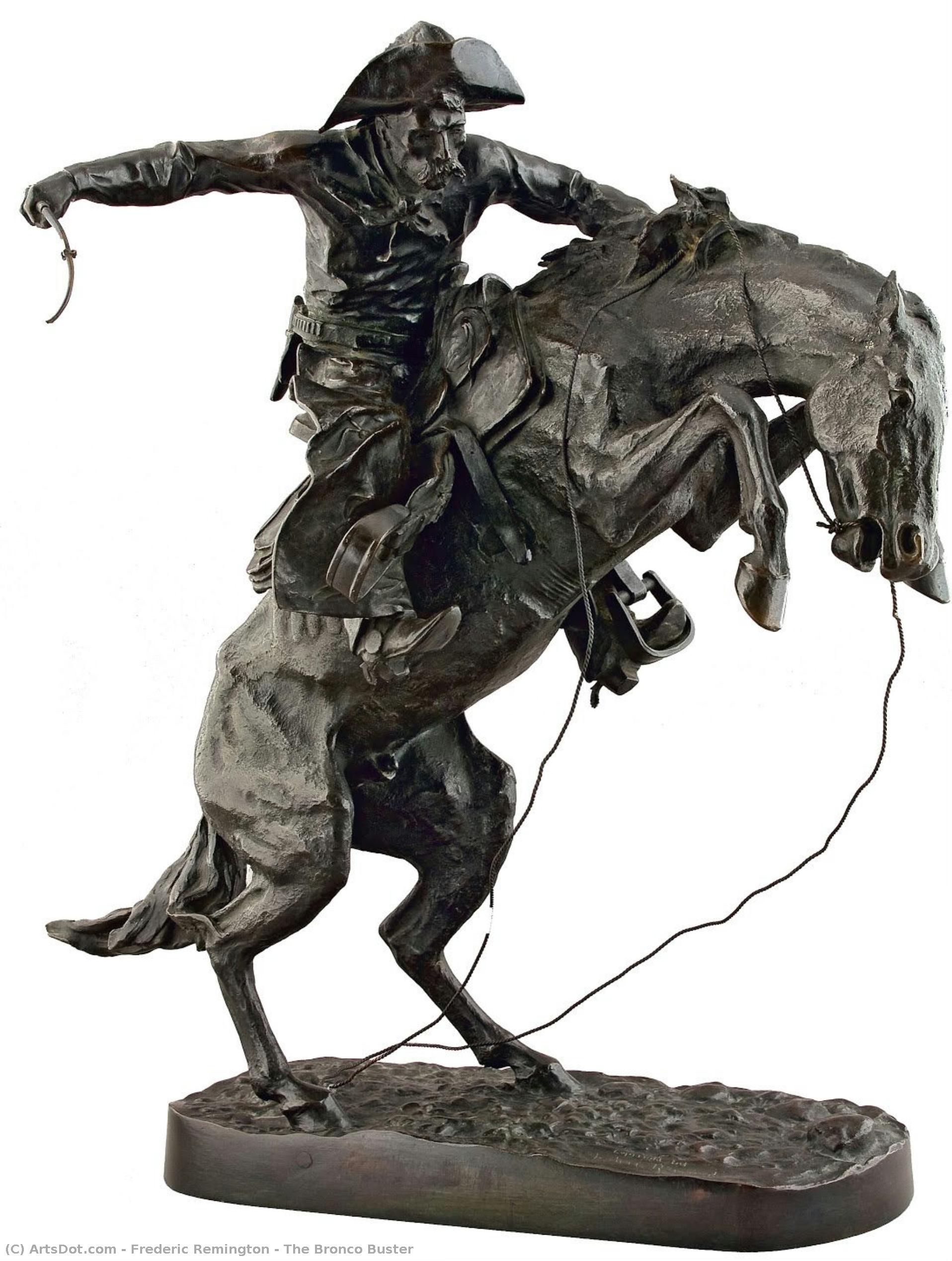
Experience Frederic Remington’s iconic bronze sculpture, "The Bronco Buster," capturing the thrilling spirit of the American West with its dynamic composition and realistic texture. This 1895 masterpiece evokes courage and mastery – discover or own a timeless symbol of frontier life.
Frederic Remington (1861-1909): US-amerikanischer Maler des Wilden Westens! Entdecken Sie Cowboys, Native Americans & Kavallerie in dynamischen Gemälden – ein Meister seines Fachs!
Grohmann Museum
(Milwaukee, Vereinigte Staaten von Amerika)
Erkunden Sie das Grohmann Museum in Milwaukee – ein Zuhause für über 1900 Kunstwerke zur Entwicklung menschlicher Arbeit! Entdecken Sie Kunst vom 17.-21. Jahrhundert, darunter eine bedeutende Sammlung von Carl Spitzweg.
A Testament to Courage and Frontier Spirit: Examining Frederic Remington’s “The Bronco Buster”
Frederic Remington's "The Bronco Buster," completed in 1895, stands as an iconic representation of the American West—a sculpture that transcends mere depiction to embody the very essence of courage, skill, and the enduring allure of untamed landscapes. Crafted from bronze using the lost-wax casting method, this artwork isn’t simply a visual record; it's a carefully considered statement about the values championed during a pivotal era in American history.
Historical Context: The Shaping Influence of the Wild West
The sculpture emerged during a period of intense fascination with the frontier—a time when westward expansion fueled dreams of opportunity and challenged established notions of civilization. Remington himself was deeply immersed in this cultural fervor, documenting the lives of cowboys, Native Americans, and ranchers with unparalleled detail and sensitivity. “The Bronco Buster” captures precisely this spirit: it portrays a cowboy wrestling for control of a bronco, symbolizing not only physical prowess but also the determination to overcome obstacles and assert dominance over nature—a narrative powerfully resonant with the anxieties and aspirations of the late nineteenth century.
Style & Technique: Representational Realism Enhanced by Bronze’s Texture
Remington's artistic approach aligns closely with representational realism, prioritizing accuracy in portraying the subject matter while simultaneously conveying emotion. The sculptor skillfully utilizes bronze casting—a technique renowned for its ability to achieve remarkable detail and permanence—to bring forth a dynamic scene. The rough surface texture of the bronze itself contributes significantly to the artwork’s impact, mirroring the rugged terrain of the American West and grounding the sculpture in tangible materiality. Careful attention is paid to anatomical precision, capturing the musculature of both the cowboy and the horse with impressive realism.
Composition & Visual Elements: Movement Captured in Bronze
The sculpture's diagonal composition immediately draws the viewer’s eye upward, emphasizing the movement inherent in the confrontation between man and animal. The placement of the cowboy’s arm—extended towards the bronco—creates a frozen moment of action, conveying tension and anticipation. Furthermore, the sculptor employs strong curved lines to delineate the muscles of the figures, reinforcing the sense of power and dynamism. Strategic use of sharp angles—particularly in the hat and saddle—provides visual contrast, enhancing the sculpture’s overall impact.
Symbolism & Emotional Resonance: More Than Just a Cowboy Fight
Beyond its depiction of a physical struggle, “The Bronco Buster” speaks to deeper symbolic themes. It represents not merely mastery over an animal but also triumph over adversity—a metaphor for overcoming challenges and achieving goals with unwavering resolve. The sculpture evokes feelings of excitement, admiration for bravery, and a profound connection to the spirit of the American West, reminding us of a bygone era defined by exploration, resilience, and the pursuit of freedom. It remains a timeless emblem of courage and determination, continuing to inspire viewers today.