The Políptico de Bolonia 1: A Window into Giotto's Revolutionary Vision
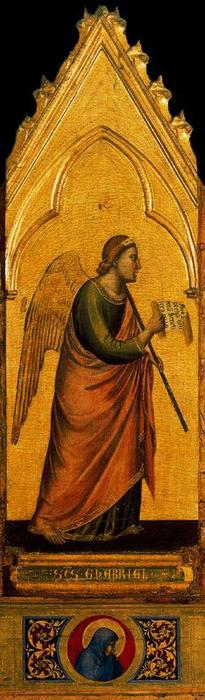
Giotto di Bondone’s “Políptico de Bolonia 1,” a remarkable panel painting, stands as a cornerstone of Western art history – a pivotal moment in the shift from the stylized formality of medieval religious art to the burgeoning realism that would define the Renaissance. Executed around 1317-1320, this polyptych, originally comprised of several panels depicting scenes from the life of Christ, offers an intimate glimpse into Giotto’s revolutionary approach to representation and his profound understanding of human emotion. The surviving fragment, meticulously recreated in our hand-painted reproductions, continues to captivate viewers with its quiet drama and startlingly naturalistic figures.
- Subject Matter & Composition: The scene depicted is a devotional tableau, likely focusing on the ministry of Christ. Two figures are prominently featured – one holding a book, suggesting scholarly discourse or perhaps divine revelation, and another engaged in conversation. This deliberate pairing creates a dynamic interaction, central to Giotto’s ambition to portray not just static religious narratives but also the lived experience of faith.
- Technique & Style: Giotto's genius lay in his mastery of *disegno*, or drawing – a fundamental principle he championed. Unlike the flattened perspectives and gold-dominated backgrounds characteristic of Byzantine art, Giotto employed atmospheric perspective, creating a sense of depth through subtle gradations of color and shading. The figures themselves are rendered with an unprecedented degree of naturalism, their poses conveying a palpable sense of movement and emotion. Note the careful attention to detail in the rendering of clothing textures and facial expressions – hallmarks of Giotto’s innovative approach.
A Bridge Between Eras: Historical Context
Giotto's work emerged during a period of significant artistic and intellectual ferment. The late medieval era witnessed a renewed interest in classical antiquity, fueled by the rediscovery of Roman ruins and texts. This revival influenced artists to seek greater accuracy and realism in their depictions of the human form and the natural world. Giotto’s polyptychs were commissioned for private devotion, reflecting the growing importance of personal piety within the Church. The inclusion of architectural elements – notably the clock tower – anchors the scene firmly within a specific time and place, adding to its narrative richness. This piece represents a crucial transition; it's not simply a religious image but a testament to a changing worldview.
Symbolism & Emotional Resonance
The book held by the central figure is laden with symbolic meaning, representing knowledge, scripture, and divine wisdom. The interaction between the two figures suggests contemplation, dialogue, and perhaps even a moment of spiritual revelation. Giotto’s ability to imbue his figures with such profound emotional depth was revolutionary. He moved beyond mere representation to capture the inner lives of his subjects, creating images that resonated deeply with viewers on an emotional level. This is evident in the subtle expressions of concern, curiosity, and perhaps even reverence displayed by the figures.
Collecting & Appreciation
A hand-painted reproduction of “Políptico de Bolonia 1” offers a unique opportunity to own a piece of art history – a tangible connection to one of the most influential artists of all time. Our reproductions meticulously recreate Giotto’s groundbreaking techniques and stylistic innovations, ensuring that you experience the full impact of his artistic vision. Whether adorning a study, a chapel, or a private residence, this artwork will undoubtedly serve as a source of inspiration and contemplation for years to come. Ref: ART-1234