A Desert Solitude: Giovanni Girolamo Savoldo’s ‘Saint Jerome’
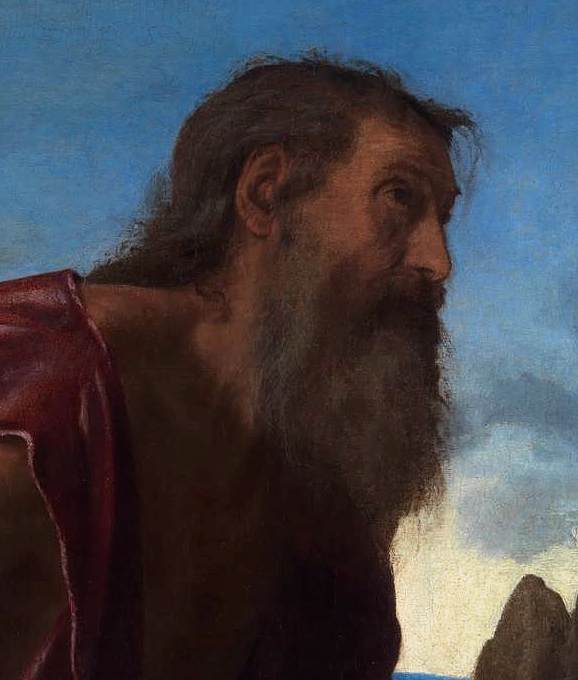
Giovanni Girolamo Savoldo's “Saint Jerome,” painted around 1525-30, isn’t merely a portrait of a biblical figure; it’s an immersion into the profound stillness and spiritual intensity of a solitary existence. This remarkable work, now residing in the National Gallery, London, transcends simple representation to become a deeply felt meditation on faith, penance, and the enduring power of introspection. Savoldo, a master of subtle light and Lombard modeling—a style that blended Northern European realism with Venetian lyricism—crafted an image that speaks volumes through its carefully orchestrated details and evocative atmosphere.
The scene unfolds within a rugged, almost desolate landscape, dominated by a towering rock formation against which Saint Jerome kneels. The setting isn’t the grand, opulent wilderness often depicted in religious art; instead, it's a harsh, unforgiving terrain—a deliberate choice that underscores the saint’s voluntary exile and his dedication to a life of austere contemplation. The distant church, possibly SS. Giovanni e Paolo in Venice, hints at the world beyond Jerome’s chosen isolation, yet remains largely obscured, reinforcing the sense of detachment and spiritual focus.
The Language of Light and Shadow
Savoldo's mastery of light is nothing short of breathtaking. He employs a technique known as *chiaroscuro*—the dramatic interplay of light and shadow—to sculpt Jerome’s form and imbue the scene with an almost palpable sense of drama. The light, originating from an unseen source, washes over the saint’s face and upper body, highlighting his furrowed brow, deeply etched lines, and the intensity in his eyes. This focused illumination contrasts sharply with the enveloping darkness that clings to the lower half of the painting, creating a powerful visual metaphor for the struggle between earthly temptations and divine grace.
Notice how the light seems to emanate not just from the heavens but also from within Jerome himself—a subtle suggestion of his inner radiance. The careful rendering of textures – the rough stone beneath him, the folds of his cloak, the delicate veins in his hands – further enhances the realism and immediacy of the scene. Savoldo’s meticulous attention to detail isn't merely decorative; it serves to draw the viewer into Jerome’s world, inviting them to share in his contemplative experience.
Symbolism and Spiritual Journey
The symbolism within “Saint Jerome” is layered and profoundly moving. The act of kneeling suggests humility and submission before God. The open book held in Jerome's hand represents the Scriptures—the source of his faith and guidance. But it’s the gesture of his outstretched arm, poised to strike his breast, that holds particular significance. This isn’t a violent act; rather, it’s a symbolic representation of self-reflection and repentance – a deliberate attempt to confront and overcome one's own sinful desires.
The setting itself—a barren wilderness—is laden with meaning. It mirrors Jerome’s own spiritual journey: a period of intense personal struggle and purification, culminating in a profound connection with the divine. The raven perched on the rock below, often associated with Jerome, symbolizes both prophecy and repentance. The overall composition speaks to the transformative power of solitude and the enduring quest for spiritual enlightenment.
A Masterpiece of Quiet Intensity
“Saint Jerome” is more than just a beautiful painting; it’s a profound meditation on faith, humility, and the human condition. Savoldo's masterful use of light, shadow, and detail creates an image that is both visually stunning and emotionally resonant. It invites viewers to contemplate their own spiritual journeys and to find solace in the quiet solitude of introspection. A testament to the artist’s skill and sensitivity, this painting remains a powerful reminder of the enduring appeal of religious art as a source of inspiration and contemplation.