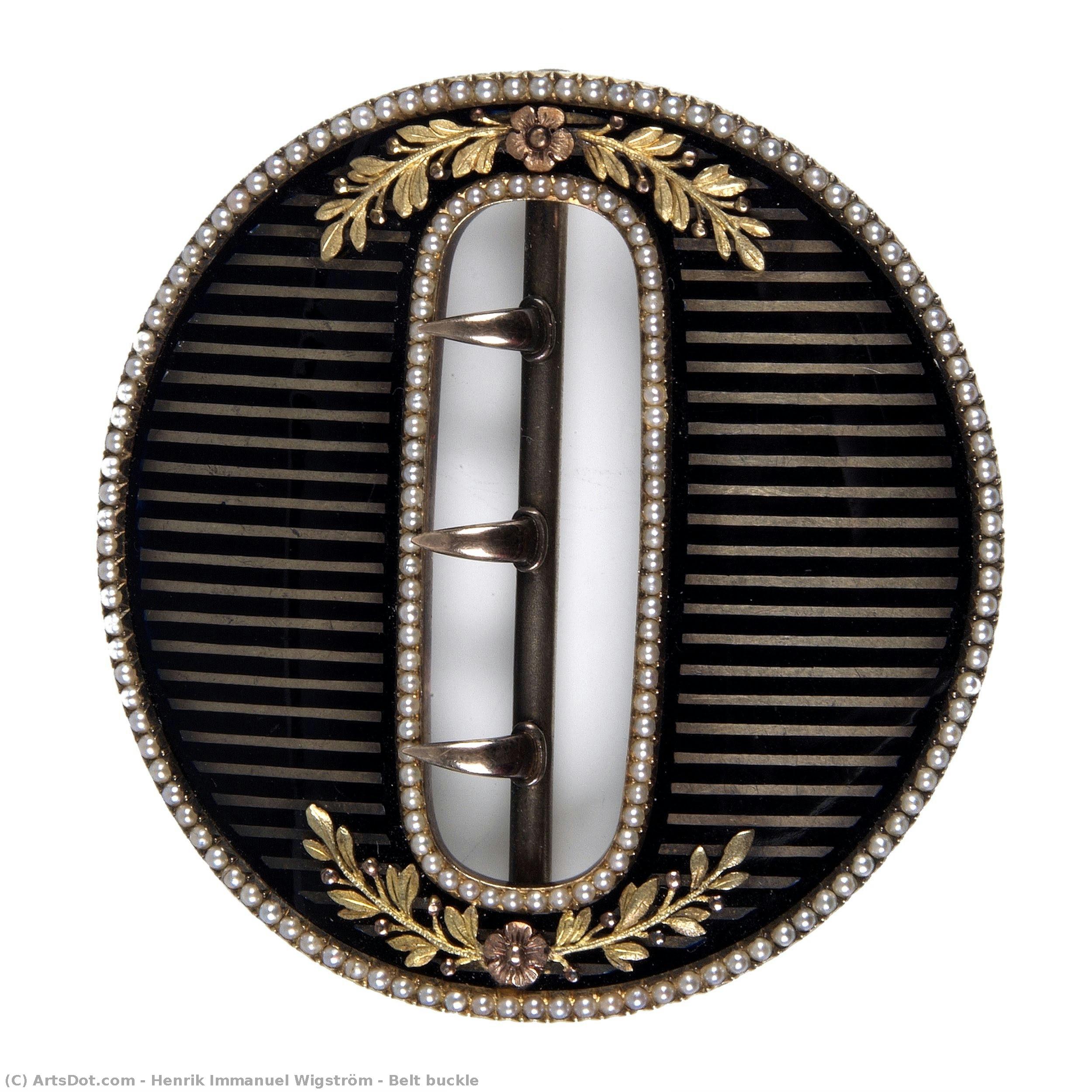
Delicate Art Nouveau florals intertwine with neoclassical precision in Henrik Wigström’s exquisite belt buckle—a masterpiece reflecting Fabergé’s refined taste and Finnish craftsmanship. Explore this stunning piece and bring timeless elegance into your collection.
Henrik Wigström prägte die Fabergé-Kunst mit außergewöhnlicher Präzision und klassischem Stil. Seine Meisterwerke – darunter beeindruckende Fabergé-Eier und kunstvolle Schmuckstücke – erzählen eine Geschichte von russischer Pracht und Kunsthandwerk. Entdecken Sie sein Erbe!
Entdecken Sie die außergewöhnliche Welt von Fabergé im Sankt Petersburg Museum! Bewundern Sie beeindruckende Ostereier und Kunstwerke aus der goldenen Ära Russlands – ein Schatzhaus außergewöhnlicher Handwerkskunst!
A Delicate Bloom Amidst Imperial Grandeur: Exploring Henrik Wigström’s Belt Buckle
The belt buckle crafted by Henrik Immanuel Wigström stands as a testament to the understated elegance that characterized Fabergé’s artistic output during its golden age. More than just an accessory, it embodies a sophisticated fusion of neoclassical influences and Art Nouveau sensibilities—a stylistic paradox that speaks volumes about the tastes of the Imperial Court and the enduring legacy of Finnish craftsmanship.
Style & Technique: Neoclassical Roots with Art Nouveau Flourishes
Wigström’s approach to design was firmly rooted in the revivalist fervor of neoclassicism, evident in the meticulous geometric precision of the buckle's frame—a subtle nod to Roman architectural forms. However, this foundational structure is brilliantly countered by swirling floral motifs executed with exceptional delicacy. The Art Nouveau movement’s obsession with organic shapes and flowing lines permeates the intricate petal arrangements adorning the buckle’s surface. Wigström skillfully blended these contrasting styles, achieving a harmonious balance that elevates the piece beyond mere ornamentation. He employed guilloche engraving—a technique perfected during the Victorian era—to create subtle textures within the gold plating, adding depth and visual interest to the design. Furthermore, the incorporation of pearls strategically positioned around the floral embellishments underscores Wigström’s mastery of gemstone setting, demonstrating a commitment to both aesthetic beauty and technical virtuosity.
Historical Context: Fabergé's Pursuit of Refinement
Fabergé’s workshops were renowned for their unwavering dedication to excellence, striving to capture the spirit of European aristocratic taste. Following Michael Perchin’s death in 1903, Wigström assumed leadership, continuing Perchin’s legacy of producing breathtaking jewelry and decorative objects destined for royalty and affluent collectors alike. The buckle’s creation coincided with a period of significant artistic innovation—the Belle Époque—where artists and designers sought inspiration from classical antiquity alongside the burgeoning influences of Japonisme and Symbolism. Wigström's work reflects this broader cultural dialogue, demonstrating an awareness of contemporary trends while maintaining a steadfast commitment to timeless beauty. The buckle’s commission likely stemmed from a desire to express refined taste and commemorate important occasions—a hallmark of Fabergé’s clientele.
Symbolism & Decorative Elements: Flowers as Vessels of Beauty and Renewal
The floral motifs adorning the belt buckle are laden with symbolic significance. Roses, lilies, and chrysanthemums – traditional emblems of love, purity, and longevity – convey messages of devotion and prosperity. Their placement around the central buckle frame reinforces the idea of encircling oneself in beauty and safeguarding cherished memories. The pearls themselves symbolize perfection and luminescence, mirroring the radiant glow of gold and enhancing the overall impression of sophistication. Wigström’s meticulous attention to detail—from the precise rendering of petal contours to the careful selection of gemstones—underscores his belief that decorative art should transcend mere visual appeal, communicating profound emotional resonance.
Emotional Impact & Legacy: An Heirloom Worthy of Distinction
Ultimately, Henrik Wigström's belt buckle transcends its material form, capturing a moment in time – the opulent grandeur of Fabergé’s ateliers and the artistic sensibilities of the Edwardian era. It speaks to an enduring fascination with classical ideals blended seamlessly with organic forms—a stylistic fusion that continues to inspire designers today. Possessing such a piece is akin to owning a fragment of history, imbued with the artistry and craftsmanship of a master goldsmith who elevated decorative art to unparalleled heights. Its understated elegance serves as a reminder that true beauty resides not in ostentation but in meticulous execution and profound symbolic meaning—a legacy that ensures Wigström’s belt buckle remains a treasured exemplar of Art Nouveau-infused neoclassicism for generations to come.