A Glimpse into the Scottish Enlightenment
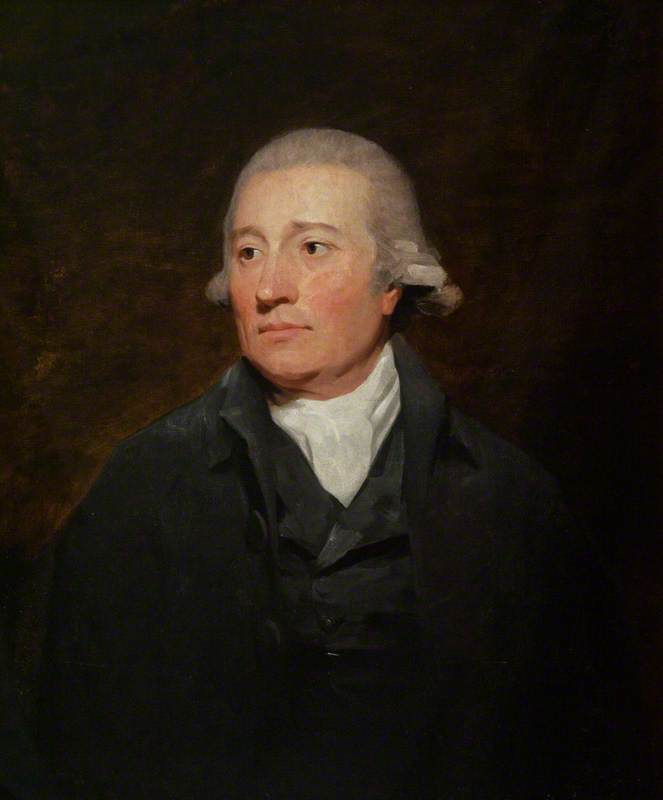
In the quiet, commanding presence of John Tait of Harvieston, we encounter more than just a mere likeness; we step into the very soul of eighteenth-century Scotland. Painted by the legendary Sir Henry Raeburn, this portrait serves as a profound window into an era defined by intellect, dignity, and the burgeoning spirit of the Scottish Enlightenment. The subject, John Tait, is captured not in a moment of action, but in a state of deep, contemplative stillness. His gaze, directed slightly away from the viewer, suggests a man lost in thought, perhaps contemplating the weighty responsibilities of his station or the philosophical shifts of his age. This subtle psychological depth is what elevates Raeburn’s work from simple documentation to high art, inviting collectors and admirers alike to wonder about the silent stories held within those steady eyes.
The composition is a masterclass in the use of light and shadow, a technique often referred to as chiaroscuro. By placing Tait against a dark, indistinct background, Raeburn ensures that there are no distractions from the man himself. The darkness acts as a void that pushes the subject forward, making his pale features and the crisp white of his cravat appear almost luminous. This dramatic contrast creates a sense of three-dimensionality that is breathtakingly lifelike. For an interior designer, such a piece offers a powerful focal point; its ability to command attention through subtle tonal shifts makes it an ideal centerpiece for a study, a library, or a formal gallery space where conversation and reflection are encouraged.
The Mastery of the Brush and Texture
Raeburn’s technical prowess is evident in the meticulous rendering of textures that define this portrait. One can almost feel the weight of the heavy, dark coat and the delicate, starch-white fabric of the neckcloth. The artist’s background in goldsmithing and miniature painting clearly informs his approach to larger canvases, granting him a precision that captures the fine lines of wisdom around the eyes and the subtle contours of the face. There is a soft, painterly quality to the skin tones that avoids the harshness of mere realism, instead imbuing the subject with a gentle, human warmth.
The emotional impact of John Tait of Harvieston lies in its understated elegance. It does not rely on grand gestures or flamboyant colors to impress; rather, it relies on the quiet strength of character. For those seeking to curate a collection of fine reproductions, this painting represents the pinnacle of British portraiture. It brings with it an atmosphere of historical prestige and timeless sophistication. Owning a piece that captures such a refined moment in history allows one to surround themselves with the dignity of the past, creating an environment of cultured grace and enduring beauty.