Queen Alexandra (1844–1925): A Portrait of Victorian Grace
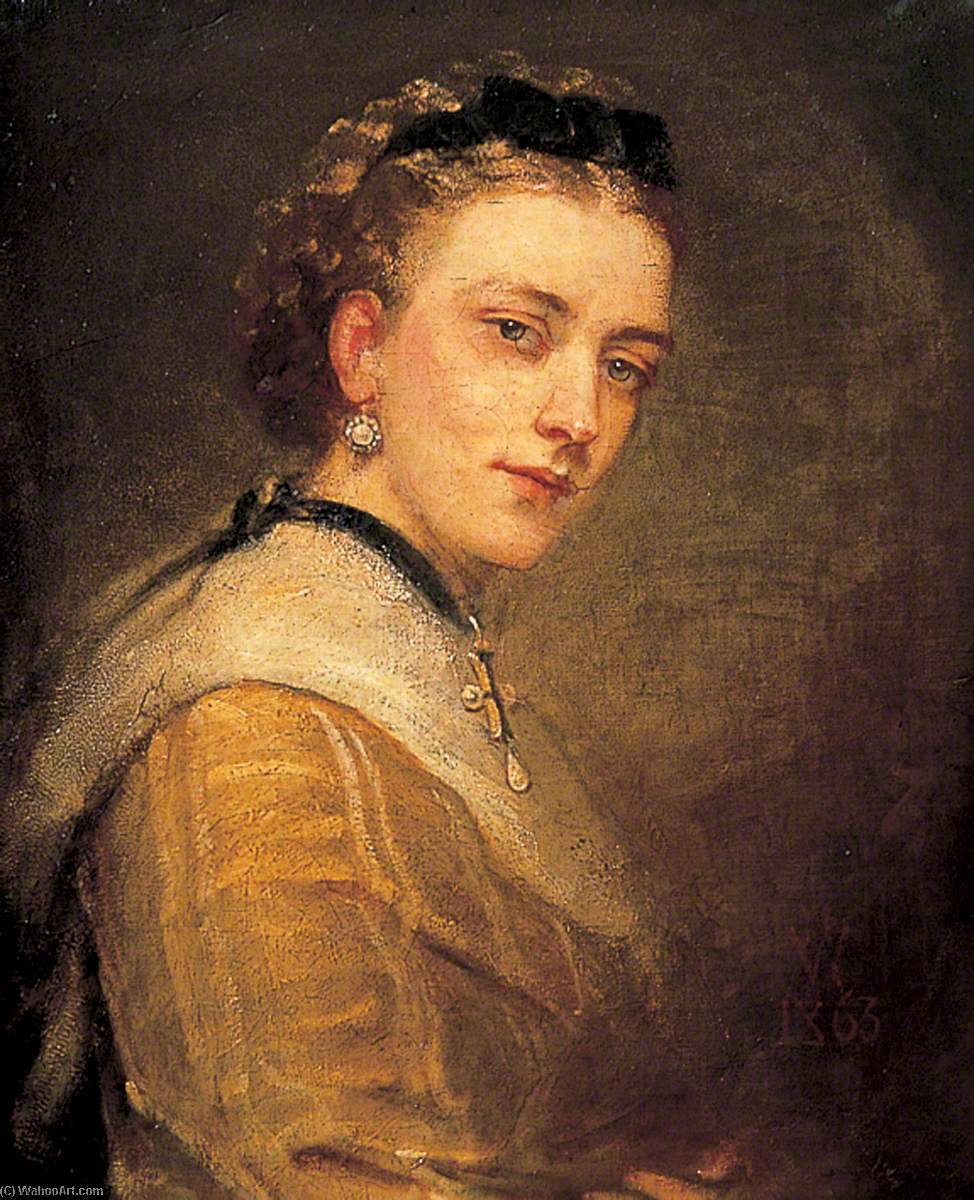
Henry Weigall’s “Queen Alexandra” is more than simply a likeness; it's a carefully constructed window into the heart of the Victorian era. Executed around 1900, this portrait captures the regal poise and quiet dignity of Queen Alexandra herself – the beloved wife of King Edward VII and a figure synonymous with imperial Britain. Measuring an impressive 186 x 75 cm, the scale of the painting immediately commands attention, reflecting the importance placed upon royal portraits during a period defined by elaborate ceremony and unwavering tradition.
Weigall’s skill lies in his ability to translate formal portraiture into something deeply engaging. The subject is presented with a gentle smile, her gaze direct and inviting – a deliberate choice that softens the inherent formality of the royal position. Note the subtle play of light across her face, expertly rendered through Weigall's mastery of tonal harmony, a technique honed during his training under Thomas Webster in London. This careful manipulation of light and shadow creates a sense of depth and volume, imbuing Alexandra with a palpable presence.
The Context of Imperial Splendor
To fully appreciate “Queen Alexandra,” one must consider the historical context surrounding its creation. The painting was produced during Edward VII’s reign, a period marked by Britain's zenith as an empire. Queen Alexandra played a crucial role in solidifying this image of imperial power and influence. Her marriage to Edward VII in 1863 was a strategic alliance designed to strengthen ties between Denmark and Great Britain, further cementing the nation’s global standing. The portrait itself served not just as a representation of the queen but also as a visual emblem of British prestige and stability.
Furthermore, Weigall's work reflects the prevailing artistic tastes of the late Victorian period – a move towards realism tempered with an appreciation for classical ideals. While rooted in Academic traditions, Weigall’s approach demonstrates a nuanced understanding of capturing individual character within a formal framework. The inclusion of the two figures in the background—likely members of the royal household—adds another layer to the composition, subtly reinforcing Alexandra's position as a central figure within the British court.
Symbolism and Technique
Weigall’s technique is characterized by meticulous detail and a restrained palette. The predominantly dark tones – deep blues, browns, and blacks – contribute to an atmosphere of solemnity and gravitas, befitting a portrait of the Queen. However, subtle highlights—particularly around her eyes and lips—draw attention to her features and convey warmth. The rich fabric of her dress, rendered with remarkable accuracy, speaks to the wealth and status associated with the monarchy.
Beyond the technical skill, the composition itself is laden with symbolism. The direct gaze of Queen Alexandra embodies confidence and authority, while her serene expression suggests a quiet strength. Her attire—a yellow gown—was a popular choice for royalty at the time, symbolizing wealth, prosperity, and imperial power. The overall effect is one of timeless elegance and enduring grace – qualities that continue to resonate with viewers today.
A Timeless Masterpiece
"Queen Alexandra" by Henry Weigall offers a captivating glimpse into a pivotal moment in British history. This meticulously crafted portrait transcends mere representation, offering a profound insight into the character of a remarkable woman and the grandeur of the Victorian era. Its enduring appeal lies not only in Weigall’s technical brilliance but also in his ability to capture the essence of a queen – her dignity, grace, and unwavering commitment to duty. A stunning reproduction of this artwork will undoubtedly become a treasured addition to any discerning collection or interior space.