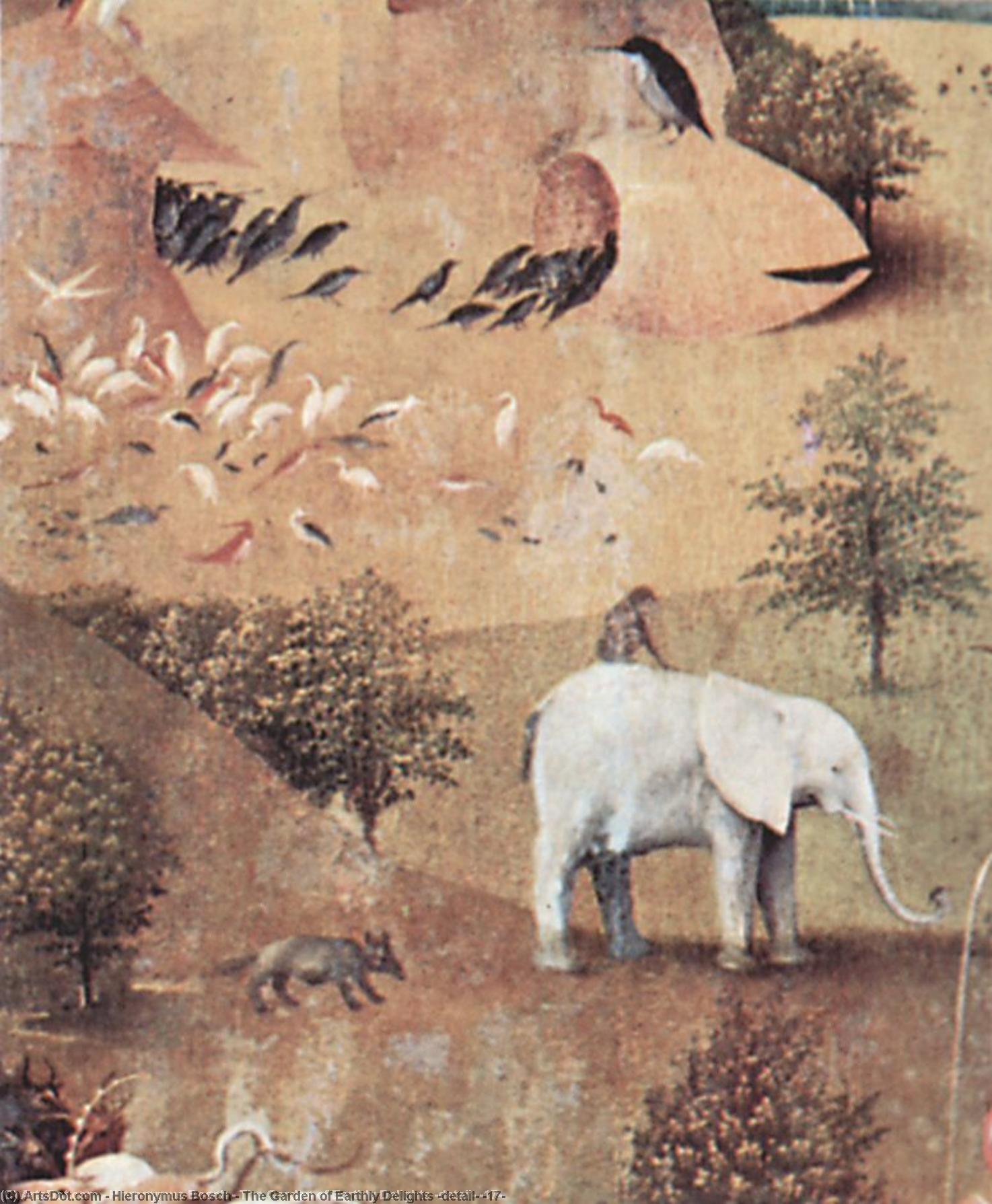
A Window into Paradise Lost: Examining Detail in Bosch’s “The Garden of Earthly Delights”
The triptych "The Garden of Earthly Delights," painted by Hieronymus Bosch around 1504, stands as one of the most iconic and perplexing artworks of the Northern Renaissance. More than just a visually arresting depiction of fantastical flora and fauna—though undeniably beautiful—it’s a profound meditation on sin, temptation, and the precarious balance between earthly pleasure and divine judgment. This particular detail image invites us to delve deeper into Bosch's masterful technique and unravel the complex symbolism woven throughout its vibrant tapestry.
- Subject Matter: Bosch’s vision centers around a lush garden brimming with bizarre creatures—elephants, birds, cats, serpents—representing both innocence and corruption. The central panel portrays a hedonistic paradise populated by figures indulging in sensual delights, while the left panel depicts scenes of earthly suffering and torment. This tripartite structure reflects the theological concerns prevalent during Bosch’s time, mirroring the biblical narrative of Adam and Eve’s expulsion from Eden.
- Style: Bosch's style is characterized by its unsettling blend of realism and fantasy. He meticulously renders anatomical details—particularly in the animal figures—with astonishing accuracy, grounding his fantastical imagery in observable reality. Yet, simultaneously, he employs a dreamlike atmosphere, populated by grotesque distortions and impossible perspectives that defy conventional artistic conventions.
Technique: Bosch’s distinctive technique involved oil paint on panel, utilizing layering and glazing to achieve remarkable luminosity and depth. He employed meticulous hatching and cross-hatching—a painstaking process of applying thin lines in opposing directions—to sculpt form and create textures that convey a palpable sense of movement and decay. The artist's masterful control over color contributes significantly to the painting’s emotional impact, utilizing muted hues alongside flashes of brilliant reds and yellows to heighten dramatic tension.
Historical Context: Bosch lived during a period marked by religious upheaval—the Reformation was gaining momentum across Europe—and anxieties about moral decline. His artwork served as a powerful critique of papal indulgences and the perceived excesses of aristocratic society, reflecting the broader intellectual currents of his era. Furthermore, Bosch’s imagery draws upon medieval folklore and biblical symbolism, demonstrating an awareness of both popular piety and theological scholarship.
- Symbolism: The elephant, prominently featured in this detail image, embodies wisdom and righteousness—a symbol often associated with Christ—yet it is depicted amidst a chaotic garden teeming with sinful behavior. Similarly, the birds represent divine grace and aspiration, juxtaposed against scenes of earthly torment. Recurring motifs such as serpents and skulls underscore the omnipresent threat of death and damnation.
- Emotional Impact: Bosch’s “Garden of Earthly Delights” evokes a visceral response in viewers—a mixture of fascination, horror, and pity. The painting confronts us with uncomfortable truths about human nature, prompting contemplation on themes of morality, desire, and mortality. Its unsettling beauty compels us to confront our own vulnerabilities and consider the consequences of straying from God’s path.
Conclusion: Examining this exquisite detail reveals Bosch's genius—his ability to synthesize observation with imagination, creating an artwork that transcends mere visual representation and speaks directly to the human soul. It remains a testament to the enduring power of art to provoke thought, inspire emotion, and illuminate the complexities of faith and experience. Reproductions of “The Garden of Earthly Delights” offer a captivating opportunity to appreciate Bosch’s unparalleled artistic vision and immerse oneself in the rich tapestry of Renaissance symbolism.