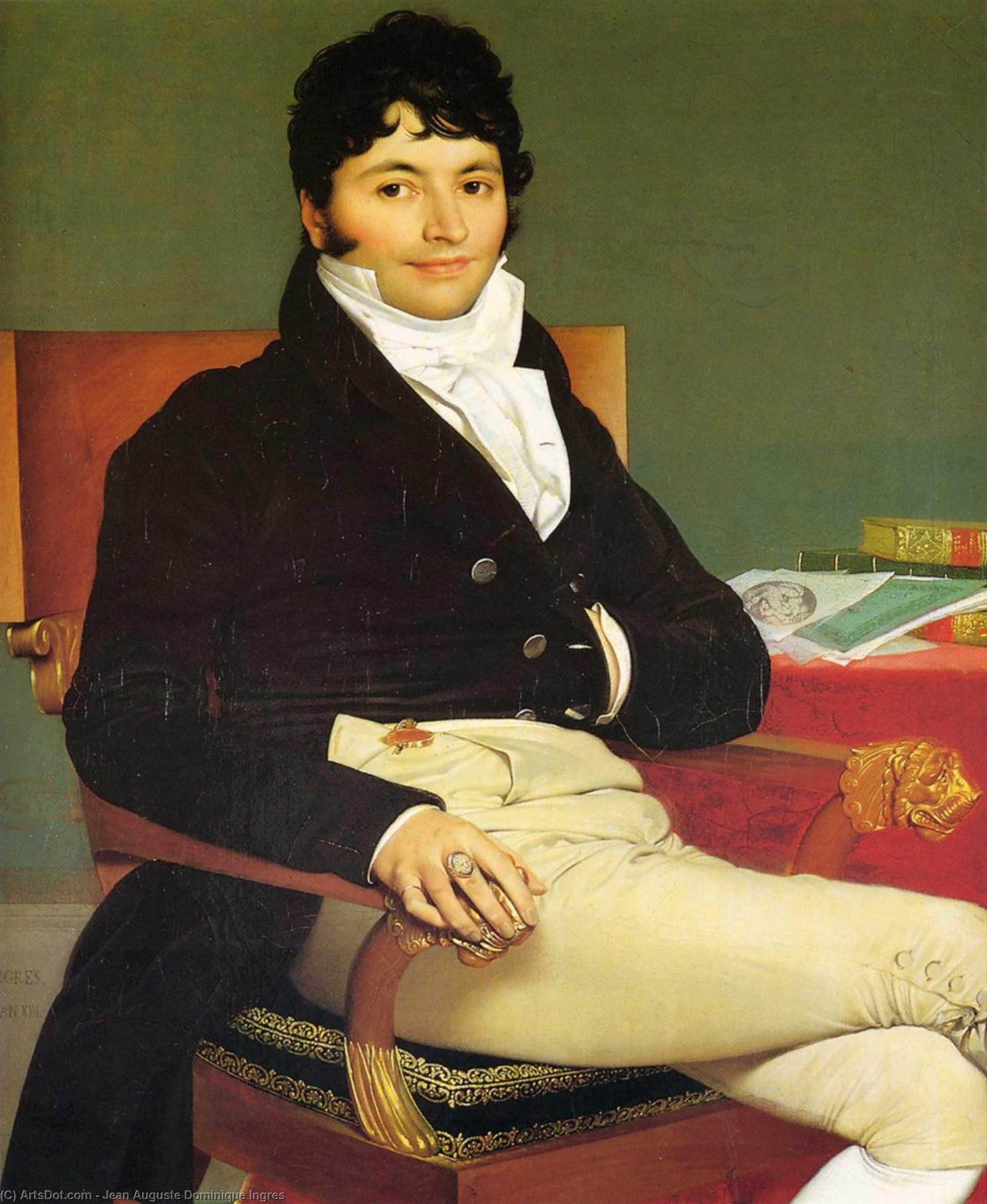
Jean-Auguste-Dominique Ingres' Meisterwerk 'Monsieur Rivière': Eine ikonische Studie männlicher Schönheit und Eleganz im Stil der klassischen École française. Entdeckt die Kunstgeschichte!
Entdecken Sie Jean-Auguste-Dominique Ingres (1780–1867), den Meister des Neoklassizismus! Erleben Sie seine Porträts & historischen Gemälde bei ArtsDot!
Louvre
(Paris, Frankreich)
Paris
Frankreich
Entdecken Sie den Louvre in Paris! Meisterwerke wie die Mona Lisa & Venus von Milo erwarten Sie. Eine Reise durch Kunstgeschichte vom alten Ägypten bis zur Renaissance.
Louvre
Musée du Louvre
Frankreich
Paris
Louvre Museum
Mona Lisa
8.7 Millionen (2024)
380.000+ Objekte
Kunstmuseum
1793
Eine königliche Residenz
3
Wofür wurde der Louvre ursprünglich gebaut?
Monsieur Rivière: A Portrait of Refinement Amidst Classical Echoes
Jean-Auguste-Dominique Ingres’s “Monsieur Rivière,” completed in 1805, stands as a cornerstone of Neoclassical portraiture—a testament to meticulous observation and an unwavering devotion to idealized form. Executed during Ingres' formative years in Rome, this painting transcends mere likeness; it embodies the aesthetic principles championed by David and embodies Ingres’s signature style, capturing not just appearance but also character and social status within a carefully orchestrated visual dialogue.
Subject Matter and Composition
The portrait depicts Philibert Rivière de L’Isle, a prominent figure in Napoleon's court administration—a man of considerable influence and wealth. Rivière is seated formally on an opulent chair draped with crimson velvet, conveying authority and prestige. His posture exudes composure, mirroring the dignified stance favored by Ingres’s predecessors. The inclusion of books scattered around him subtly underscores Rivière’s intellectual pursuits and reinforces the painting's erudite atmosphere. Furthermore, a second chair suggests the presence of conversation—a dynamic element that contrasts with the stillness of the central figure, hinting at an inner life beyond outward appearances.
Style and Technique: Ingresian Precision
Ingres’s technique is characterized by unparalleled precision—a hallmark of his Neoclassical style. He employs a smooth, polished surface finish achieved through meticulous layering of thin glazes—a method that maximizes luminosity and enhances the illusion of sculptural depth. The artist's masterful handling of line contributes to the painting's monumental quality, emphasizing contours and delineating forms with unwavering accuracy. Ingres’s deliberate simplification of space—flattened perspective—creates a harmonious balance between realism and idealization, prioritizing clarity and elegance over dramatic gesture. This approach aligns seamlessly with David’s influence, demonstrating Ingres’s commitment to upholding classical ideals.
Historical Context: The Napoleonic Court Aesthetic
“Monsieur Rivière” emerged during the Napoleonic era—a period marked by a fervent revival of Greco-Roman artistic traditions. Artists like Ingres sought inspiration from antiquity, striving to emulate the grandeur and serenity of Classical sculpture. The painting reflects the prevailing taste for aristocratic portraits that celebrated virtue and intellect—values deemed essential for upholding social order. Moreover, the opulent setting—the crimson velvet chair, the scattered books—symbolizes the wealth and sophistication associated with the Napoleonic court, reinforcing the painting’s status as a document of its time.
Symbolism: Linearity and Ideal Beauty
Ingres's preoccupation with line is not merely stylistic; it carries profound symbolic significance. The artist deliberately employs linear contours to define forms—creating an impression of solidity and permanence that echoes the sculptural traditions of antiquity. This emphasis on linearity underscores Ingres’s belief in the primacy of form over color—a preference evident throughout his oeuvre. Simultaneously, Rivière's serene gaze embodies Ingres’s idealized vision of human beauty—representing intellectual contemplation and moral virtue. The painting serves as a visual embodiment of Neoclassical ideals—celebrating rationality, harmony, and timeless elegance.
Emotional Impact: Tranquility and Dignity
Despite its formal restraint, “Monsieur Rivière” possesses an undeniable emotional resonance. The portrait conveys tranquility and dignity—reflecting the inner composure of its subject and embodying Ingres’s aspiration to capture the essence of human character. The painting's luminous surface and balanced composition instill a sense of serenity—inviting contemplation and admiration for Ingres’s artistic mastery. Ultimately, “Monsieur Rivière” remains an enduring masterpiece—a testament to Ingres’s unwavering devotion to classical principles and his ability to transform visual representation into a profound expression of humanist values.