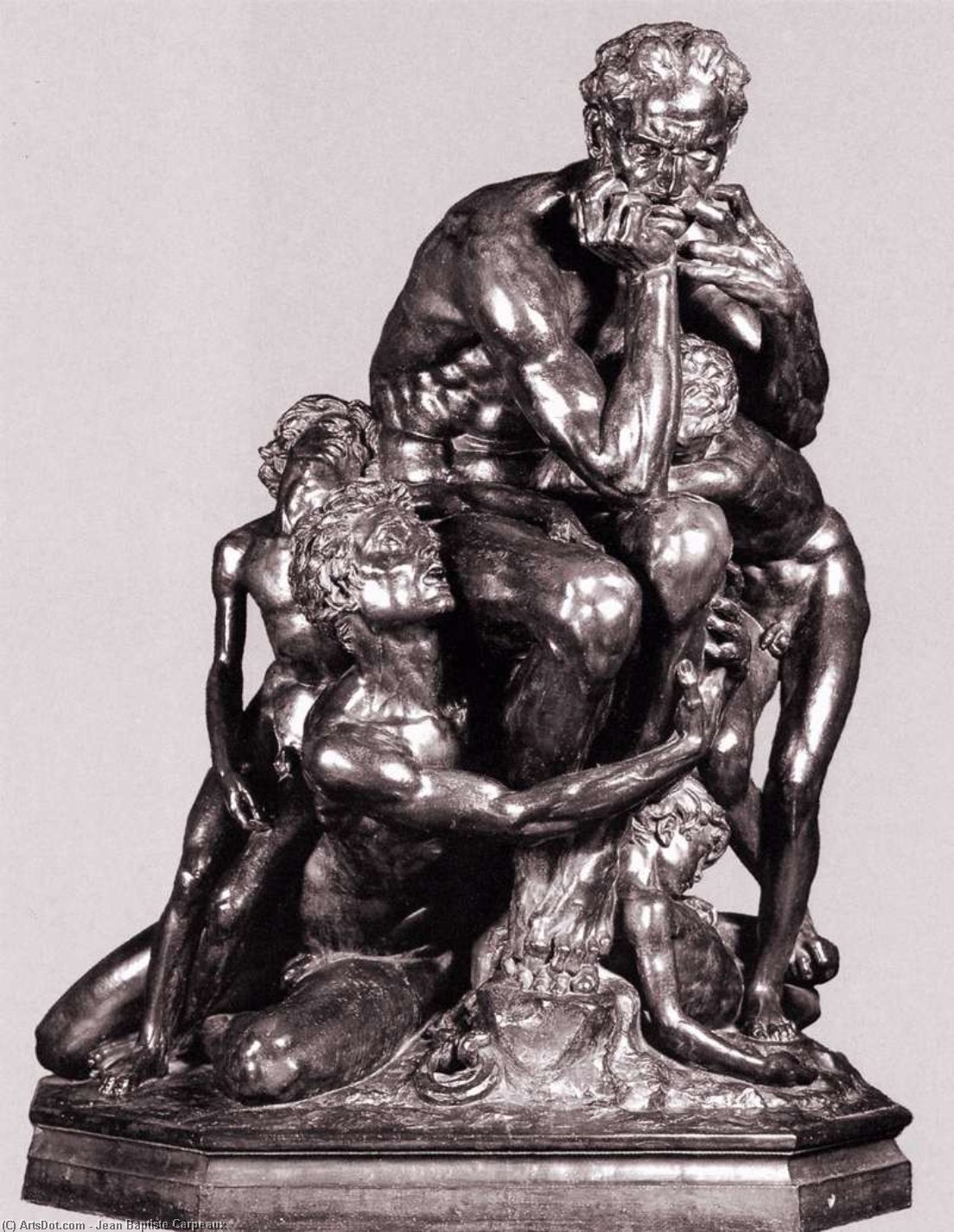
A Descent into Despair: The Visceral Majesty of Carpeaux’s Ugolino
In the realm of nineteenth-century sculpture, few works command the viewer with such raw, unbridled intensity as Jean-Baptiste Carpeaux’s Ugolino. This masterpiece serves as a profound window into the harrowing depths of Dante Alighieri’s Inferno, specifically the chilling Canto XXXIII. The sculpture does not merely depict a scene; it breathes the very essence of psychological torment and familial tragedy. Through the figure of Ugolino della Gherardesca, a Pisan noble trapped in a tower and forced to witness the slow starvation of his own children, Carpeaux captures a moment where human endurance meets absolute devastation. For the discerning collector or lover of fine art, this piece offers more than just aesthetic beauty; it provides a profound meditation on the fragility of the human condition and the enduring power of literary tragedy.
The stylistic brilliance of the work lies in its departure from the rigid, idealized restraint of classical tradition. Carpeaux, a pivotal figure of the Romantic movement, embraced a dynamic and expressive language that prioritizes emotional truth over polished perfection. In Ugolino, one observes an exquisite tension held within the musculature and the dramatic, almost frantic, arrangement of the figures. The artist utilizes exaggerated poses and a sense of kinetic energy to ensure that the viewer feels the weight of the hunger and the suffocating atmosphere of the prison. This movement is not merely decorative; it is a deliberate stylistic choice intended to evoke a visceral response, making the sculpture feel as though it is caught in a permanent state of agonizing transition.
Mastery of Form and the Language of Emotion
Technically, the work is a triumph of sculptural execution. Whether viewed through the lens of its original marble conception or its evocative bronze iterations, the attention to anatomical detail is nothing short of extraordinary. Carpe andaux meticulously carved the surfaces to capture the subtle textures of skin, the heavy folds of drapery, and the hollowed, gaunt features that signal physical decay. The interplay of light and shadow across the undulating surfaces creates a dramatic chiaroscuro effect, lending a lifelike quality to the bronze and highlighting the deep grooves of despair etched into the faces of the protagonists. This mastery of texture ensures that the sculpture possesses a tactile presence, inviting the eye to wander through the intricate details of the composition.
Beyond its physical attributes, the symbolism within Ugolino resonates with a timeless gravity. The pyramidal composition of the figures creates a sense of inescapable entrapment, mirroring the literal imprisonment of the characters. Every gesture—a hand pressed against a brow, a slumped shoulder, a desperate gaze—serves as a symbolic note in a symphony of grief. For those looking to integrate such a powerful piece into a curated space, Ugolino acts as a profound focal point. It brings a sense of historical depth and intellectual weight to an interior, offering a conversation piece that transcends mere decoration to become an exploration of morality, betrayal, and the indomitable spirit of human suffering.