Entdecken Sie die dramatische Barockkunst von Juan de Valdés Leal (1622-1690), spanischer Maler, bekannt für seine düsteren Darstellungen von Vanitas & religiösen Szenen. Museum-qualität Reproduktionen bei ArtsDot!
Louvre
(Paris, Frankreich)
Paris
Frankreich
Entdecken Sie den Louvre in Paris! Meisterwerke wie die Mona Lisa & Venus von Milo erwarten Sie. Eine Reise durch Kunstgeschichte vom alten Ägypten bis zur Renaissance.
Louvre
Musée du Louvre
Frankreich
Paris
Louvre Museum
Mona Lisa
8.7 Millionen (2024)
380.000+ Objekte
Kunstmuseum
1793
Eine königliche Residenz
3
Wofür wurde der Louvre ursprünglich gebaut?
Juan de Valdés Leal’s Reverent Vision of Divine Grace
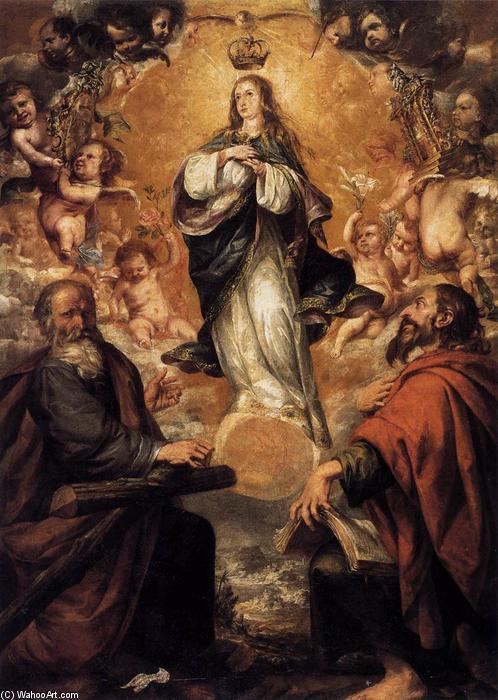
The painting “Virgin of the Immaculate Conception with Sts Andrew and John the Baptist,” executed around 1650-52 by Juan de Valdés Leal, stands as a testament to the Baroque fervor that gripped Seville during its golden age. Measuring 234 x 167 cm (92 x 65 ½ inches), this monumental canvas captures a scene of profound spiritual contemplation—a depiction of Mary cradling Jesus amidst an angelic chorus and solemn figures representing Saint Andrew and Saint John the Baptist. It resides within the Louvre Museum, France, offering visitors a glimpse into the artistic sensibilities of its time.
- Style & Technique: Leal’s approach aligns closely with Herrera the Elder's influence—a hallmark of Seville’s Baroque style—characterized by dramatic lighting and meticulous detail. The artist employs oil paint on canvas, utilizing a technique that prioritizes tonal gradation to convey depth and luminosity. Heavy drapery dominates the composition, creating a sense of grandeur and conveying the Virgin Mary’s regal bearing.
- Composition & Figures: The central focus is undeniably Mary, portrayed with serene dignity and tenderness as she holds her son Jesus aloft. Her gaze directs upwards towards heaven, symbolizing faith and humility. Surrounding her are six angels, rendered in vibrant hues and imbued with expressive gestures—likely engaged in singing or playing instruments—further enhancing the ethereal atmosphere. Saint Andrew and Saint John the Baptist flank Mary, holding crosses prominently displayed, representing their martyrdom and unwavering devotion to Christ.
- Historical Context: Seville flourished as a maritime power during Leal’s lifetime, fostering an environment of artistic patronage and innovation. The painting reflects the broader religious piety prevalent in Spain at the time—a period marked by fervent belief in Catholicism and a preoccupation with themes of salvation and divine grace. It was commissioned for the Church of Saint Francis in Córdoba, demonstrating the artist's commitment to serving his faith community.
- Symbolism & Emotional Impact: The Virgin Mary embodies purity and compassion, representing the Mother of God—a central figure in Christian iconography. Jesus symbolizes divine innocence and redemption. The angelic chorus underscores the sanctity of the scene and evokes feelings of reverence and awe. The inclusion of Saint Andrew and Saint John the Baptist reinforces the narrative of Christ’s sacrifice and offers a poignant reminder of earthly suffering endured for spiritual salvation.
- Further Research: For more information on Juan de Valdés Leal and his artistic legacy, explore resources such as Virgin of the Immaculate Conception with Sts Andrew and John the Baptist on ArtsDot.com and Virgin of the Immaculate Conception with Sts Andrew and John the Baptist at The Web Gallery of Art. You can also delve into biographical details about Leal’s life and artistic collaborations on Wikimedia Commons.
Image Credit: Musée du Louvre, France