Julia Margaret Cameron (1815-1879) was a British photographer who revolutionized portraiture through her experimental techniques. Influenced by Sir John Herschel’s introduction to photography, she embraced the medium with unwavering dedication, producing iconic images that continue to inspire artists today.
A Moment Frozen in Time: Exploring Julia Margaret Cameron’s “I Wait”
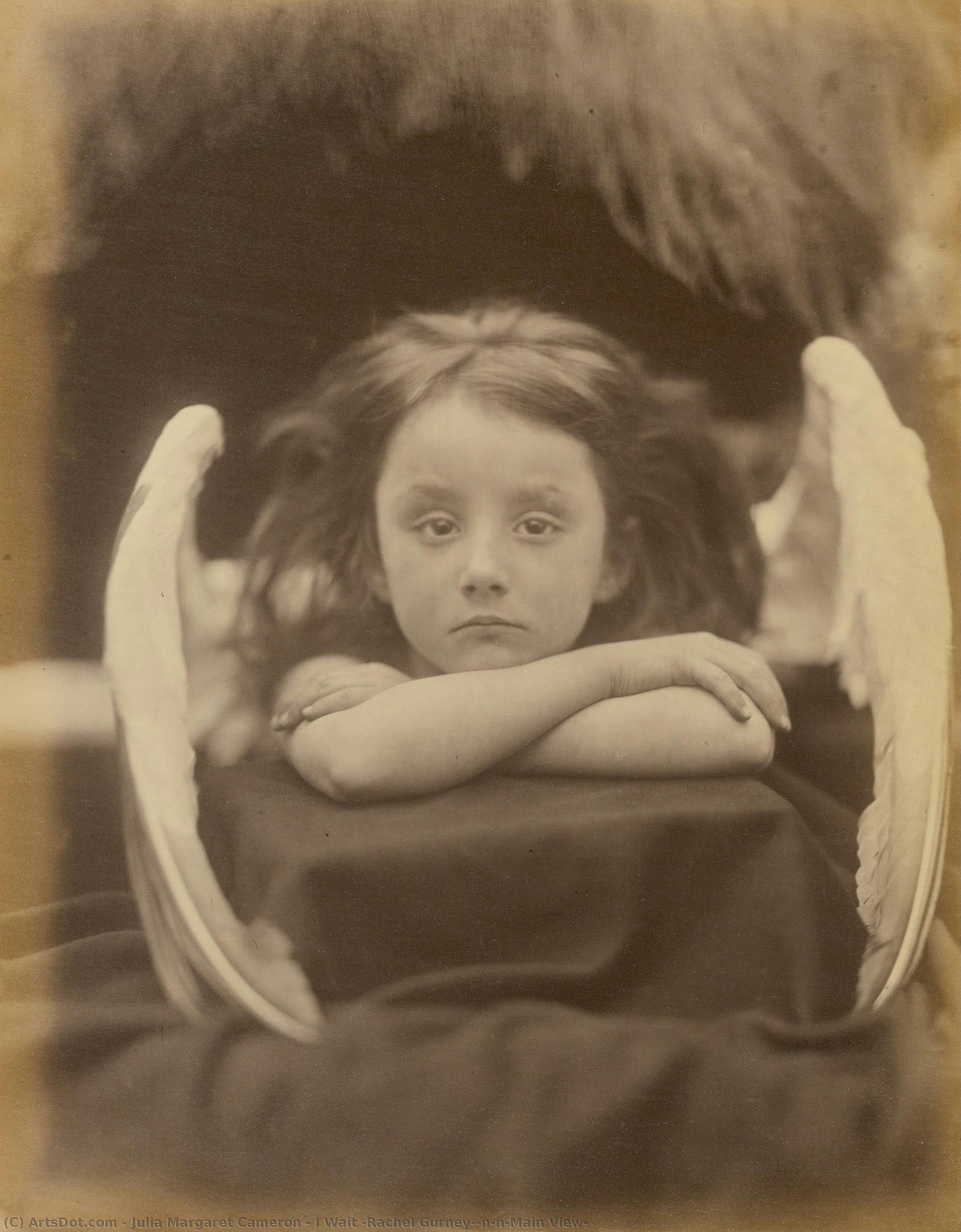
Julia Margaret Cameron’s “I Wait,” painted in 1872, isn't merely a photograph; it’s an exquisitely crafted tableau that encapsulates the spirit of Victorian idealism and the burgeoning fascination with spiritualism. Captured by Cameron herself – a trailblazing figure who defied societal expectations for women artists – this image offers a glimpse into a world grappling with profound questions about faith, femininity, and the ethereal realm.
- Subject Matter: The photograph depicts a young girl, Rachel Gurney, posed thoughtfully against a backdrop of two angelic figures. Cameron deliberately eschewed conventional portraiture conventions, opting instead for an allegorical representation that speaks to themes of innocence, vulnerability, and divine guardianship.
- Style & Technique: Cameron’s signature wet collodion process—a laborious technique demanding meticulous preparation and immediate exposure—yielded images characterized by their soft focus and subtle tonal variations. This deliberate blurring wasn't a flaw but an artistic choice designed to evoke a dreamlike atmosphere, mirroring the spiritual visions prevalent during her era. The careful positioning of Rachel Gurney and the angels contributes to this ethereal effect.
- Historical Context: “I Wait” emerged from a period marked by intense interest in Spiritualism—the belief that spirits could communicate with the living—and Victorian anxieties surrounding death and mortality. Cameron’s artistic endeavors were deeply influenced by these cultural currents, reflecting a desire to explore realms beyond the tangible world.
- Symbolism: The angel figures represent divine compassion and protection, symbolizing hope amidst uncertainty. Rachel Gurney's gaze directs our attention outward, suggesting contemplation of something greater than herself—perhaps an encounter with the spiritual forces shaping Victorian consciousness. Cameron’s use of drapery adds to this sense of solemnity and reinforces the image’s symbolic resonance.
- Emotional Impact: “I Wait” possesses a palpable melancholic beauty. The girl's expression conveys a quiet sadness, tempered by an unwavering gaze—a testament to Cameron’s ability to capture not just likeness but also emotion. It invites viewers to consider themes of longing, faith, and the enduring power of imagination.
The Getty Museum’s acquisition of this photograph underscores its significance as a cornerstone of Victorian art history. Its reproduction offers an opportunity to appreciate Cameron's innovative approach to photography and to contemplate the profound spiritual questions that shaped her artistic vision.