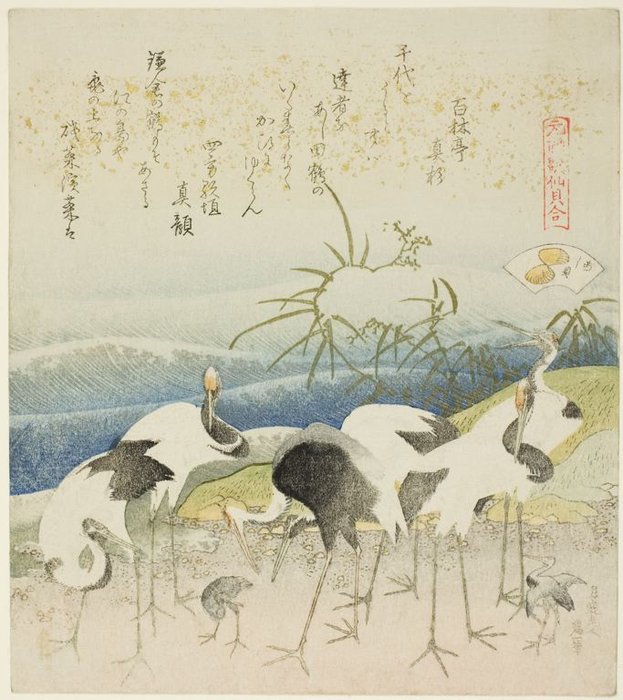
Katsushika Hokusai revolutionierte die japanische Kunst mit seinem Meisterwerk „Die große Welle von Kanagawa“ und erforschte Landschaftsbilder auf höchstem Niveau – ein Einfluss, der bis heute Künstler weltweit inspiriert.
Entdecken Sie Katsushika Hokusai (1760-1849), den Meister des japanischen Ukiyo-e! Erleben Sie 'Die große Welle', Landschaften, Manga & Holzschnitte. Beeinflusste Impressionismus uvm!
Katsushika Hokusai: A Life Etched in Ink – The World of Mount Fuji
Katsushika Hokusai (葛飾 北斎; c. 31 October 1760 – 10 May 1849), universally recognized as Japan’s foremost ukiyo-e artist, transcended mere printmaking to become a visionary whose influence continues to inspire artists globally. More than simply prolific—he produced over 30,000 paintings, sketches, woodblock prints and illustrations—Hokusai fundamentally reshaped Japanese visual culture, elevating landscape painting from decorative genre to profound meditation on nature’s power and beauty. His legacy resides not only in the iconic image of *The Great Wave off Kanagawa*, but also in his unwavering commitment to artistic innovation and a masterful command of technique that cemented his place among Japan's greatest masters.
### Early Life & Artistic Beginnings: The Seeds of Genius
Born Tokitarō Nakajima in Edo’s Katsushika district, Hokusai’s formative years were marked by humble origins as the son of a mirror maker—a profession reflecting the meticulous craftsmanship that would characterize his entire artistic career. Despite initial reservations from his father regarding artistic pursuits, young Hokusai demonstrated an innate talent and relentless dedication from childhood, reportedly commencing drawing at just six years old. This early passion fueled his progression through formal training under Katsukawa Shunshō, a leading figure in Edo’s vibrant kabuki theater scene—a formative experience that honed his skills in theatrical composition and established him within the influential Katsukawa school. The school's focus on capturing fleeting moments of performance mirrored Hokusai’s own artistic ethos: an embrace of dynamism and immediacy.
### The Great Wave & Revolutionary Composition
Hokusai’s artistic breakthrough arrived with *The Great Wave off Kanagawa*, arguably Japan’s most recognizable artwork, created during a period of unprecedented cultural exchange between Japan and the West—specifically, the burgeoning fascination with travel and exploration spurred by Commodore Perry's arrival in 1853. This monumental print encapsulates not only the grandeur of Mount Fuji but also the spirit of an era defined by ambition and intellectual curiosity. Unlike traditional landscape depictions prioritizing serene vistas, Hokusai’s masterpiece confronts viewers with a turbulent ocean scene—a daring stylistic choice that simultaneously conveys both visual splendor and psychological depth. The towering wave dominates the composition, its crest sculpted with breathtaking realism while simultaneously hinting at underlying forces beyond human comprehension.
### Technique & Symbolism: Mastering Woodblock Printing
Hokusai's unparalleled skill in woodblock printing—a technique perfected during Edo period—was instrumental in achieving his artistic vision. Utilizing meticulously carved blocks of cedarwood and applying vibrant pigments mixed with metallic powders, Hokusai achieved astonishing tonal gradations and textural effects that defied conventional methods. The resulting prints possessed a luminosity and depth unmatched by other mediums of the time—a testament to his mastery of craftsmanship and an embodiment of Japanese aesthetic ideals centered on harmony and balance. Furthermore, Mount Fuji itself holds profound symbolic significance within Hokusai’s oeuvre—representing permanence amidst change, spiritual aspiration, and the enduring majesty of nature.
### Legacy & Influence: An Enduring Artistic Resonance
Hokusai's influence extends far beyond his immediate artistic output; it reverberates through subsequent generations of artists and continues to inspire awe and admiration worldwide. His unwavering pursuit of artistic excellence—coupled with his prolific creation of over 30,000 paintings, sketches, woodblock prints and illustrations—solidifies his position as one of Japan’s greatest masters. More crucially, Hokusai's iconic imagery—particularly *The Great Wave*—became a cornerstone of Japonisme—the European fascination with Japanese art that captivated Impressionists like Monet and Van Gogh during the late 19th century. Today, Hokusai’s work remains celebrated for its breathtaking beauty, masterful technique, and enduring symbolic resonance—a testament to his visionary genius and an indelible mark on the history of art.