Erkunden Sie Leonardo da Vinci (1452-1519): Den Renaissance-Genie hinter der Mona Lisa & Das letzte Abendmahl! Entdecken Sie seine Sfumato-Technik, anatomische Studien und bahnbrechende Erfindungen. #DaVinci #RenaissanceKunst
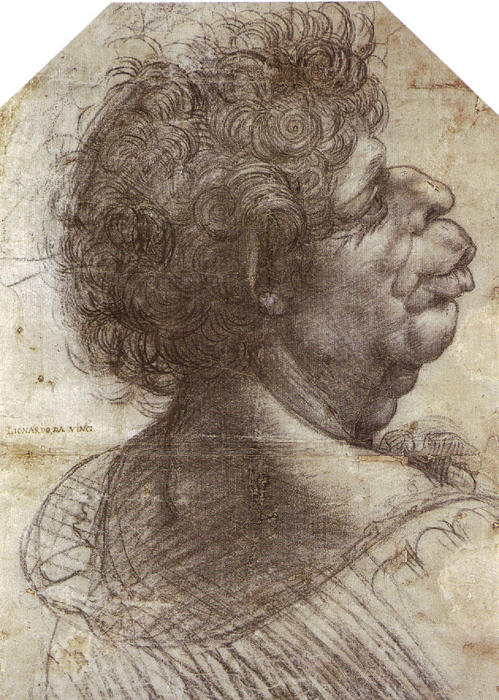
A Journey Through Distortion: Exploring Leonardo da Vinci’s ‘A Grotesque Head’
The High Renaissance—a period of unparalleled artistic flourishing—saw Leonardo da Vinci pushing the boundaries of representation, striving to capture not merely what was seen but also what was felt. Among his prolific output, ‘A Grotesque Head,’ created around 1502, stands as a singular testament to this ambition. More than just a portrait, it’s an unsettling meditation on human vulnerability and psychological complexity—a piece that continues to fascinate scholars and artists alike.
The Anatomy of Emotion: Style and Technique
Da Vinci's masterful approach is immediately evident in the charcoal sketch itself. Executed with meticulous detail, it embodies the core tenets of High Renaissance style: realism tempered by humanist ideals. However, unlike idealized depictions of noble figures, ‘A Grotesque Head’ deliberately eschews conventional beauty. Instead, Da Vinci employs sfumato—a technique perfected by him—to subtly blend tonal variations, creating an ethereal haze that softens harsh lines and imbues the image with a palpable sense of atmosphere. This layering of thin glazes lends depth and volume to the subject's face, drawing the viewer’s gaze inwards, prompting contemplation about inner turmoil. The artist’s keen understanding of anatomy is undeniable; the skull’s contours are rendered with astonishing accuracy, highlighting the fragility of human form.
A Reflection of Societal Anxiety: Historical Context
The sketch emerged during a turbulent period in Milanese society—a time marked by escalating tensions surrounding the persecution of Gypsies. Da Vinci wasn't merely documenting anatomical detail; he was channeling these anxieties into his artwork. The grotesque depiction of the head serves as a powerful visual metaphor for societal prejudice and fear, reflecting the artist’s astute observation of human psychology. It’s a deliberate departure from celebratory portraits, signaling a shift towards confronting uncomfortable truths about human nature. As documented in Wikipedia, Da Vinci's exploration of emotion through distorted imagery aligns with broader artistic trends of the era—a desire to portray not just outward appearance but also inner states of mind.
Symbolism Beyond Appearance: Decoding the Image
The deliberate distortion of facial features isn’t merely stylistic; it carries symbolic weight. The grotesque head represents imperfection, vulnerability, and perhaps even madness – concepts explored extensively by Renaissance thinkers. Da Vinci's use of chiaroscuro—the dramatic interplay between light and shadow—further amplifies this effect, emphasizing the contours of the skull and highlighting the unsettling stillness of the face. This technique underscores the idea that beauty can conceal profound psychological distress.
Inspiring Reproduction: Bringing Da Vinci’s Vision to Life
A handmade oil painting reproduction of ‘A Grotesque Head,’ available at ArtsDot, offers collectors a chance to experience this iconic artwork firsthand. It captures the essence of Da Vinci's genius—his unwavering commitment to anatomical precision combined with his profound understanding of human emotion. Like Salvator Mundi on Wikipedia, it exemplifies Da Vinci’s extraordinary artistic range and enduring legacy. Consider commissioning a stunning replica to enrich your interior space and engage in a dialogue with one of history’s greatest minds. Visit ArtsDot today!