Mary Vaux Walcott’s Enchanting Vision of Wildflower Beauty
Mary Vaux Walcott (1860 – 1940), born in Philadelphia and later residing in St. Andrews, New Brunswick, Canada, stands as a singular figure in the annals of American art history—a “Audubon of Botany,” as she affectionately earned the moniker for her unparalleled dedication to documenting and celebrating the splendor of wildflowers.
Her artistic journey began with a simple watercolor set at age eight, sparking an enduring fascination with capturing the ephemeral beauty of botanical subjects. Unlike many artists of her time who favored idealized landscapes or portraits, Walcott relentlessly pursued realism, striving to reproduce the subtle nuances of color and form found in nature with astonishing accuracy.
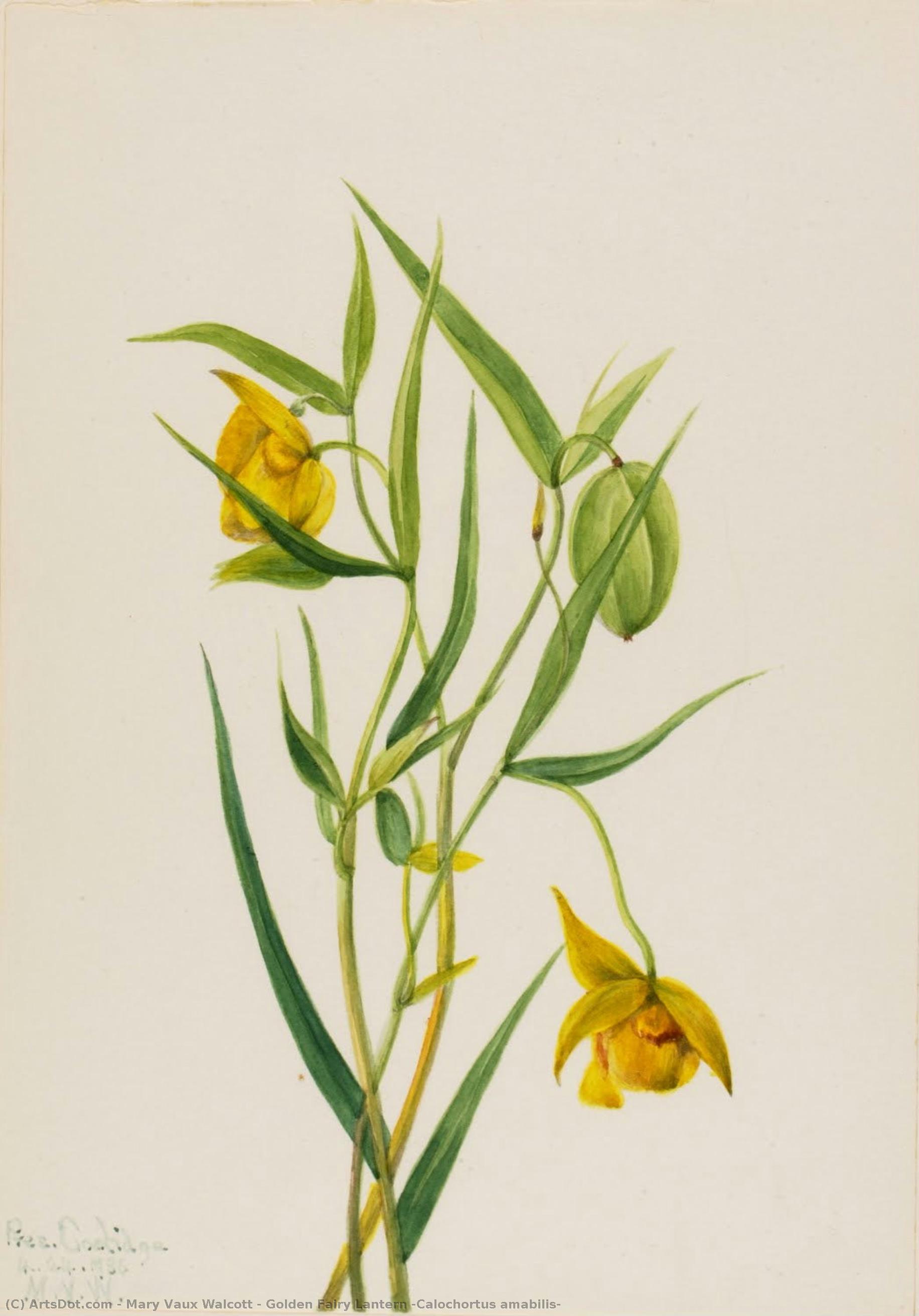
“Golden Fairy Lantern” (Calochortus amabilis), painted in 1936, exemplifies this commitment. Executed entirely in watercolor on paper—a medium she championed throughout her prolific career—the painting depicts a cluster of Calochortus amabilis flowers bathed in dappled sunlight. Walcott’s meticulous brushstrokes meticulously render the delicate petals, translucent stems, and intricate textures of the plant, creating an image that transcends mere representation.
More than just a visual record, “Golden Fairy Lantern” embodies Walcott's profound understanding of symbolism within the natural world. The lantern-like shape of the flower’s bloom is believed to symbolize enlightenment and spiritual illumination—a reflection of Walcott’s own belief in the transformative power of observing and appreciating nature.
The painting’s emotional impact is palpable; it evokes a sense of serene wonder and reverence for the delicate balance of life. It invites viewers to contemplate the beauty that exists alongside us daily, reminding them of the importance of preserving wild spaces and fostering an appreciation for botanical artistry.
Technique and Material Considerations
Walcott’s mastery lay in her ability to coax extraordinary detail from watercolor—a notoriously challenging medium. She employed a layering technique, applying thin washes of color over subsequent layers to build up tonal depth and luminosity. This painstaking process ensured that every shade and nuance was faithfully reproduced on paper.
Historical Context: The Rise of Botanical Illustration
Walcott’s work emerged during a period when botanical illustration experienced a resurgence as a form of scientific inquiry and artistic expression. Artists like Walcott recognized the value of documenting plant species for scientific purposes while simultaneously elevating them to aesthetic heights—demonstrating that beauty and knowledge could coexist harmoniously.
Symbolism Beyond Aesthetics
Beyond its visual splendor, “Golden Fairy Lantern” speaks to broader themes of spirituality and interconnectedness. The flower’s radiant glow symbolizes divine grace and the transformative potential inherent in experiencing the wonders of the natural world—a sentiment that resonates deeply with Walcott's own worldview.