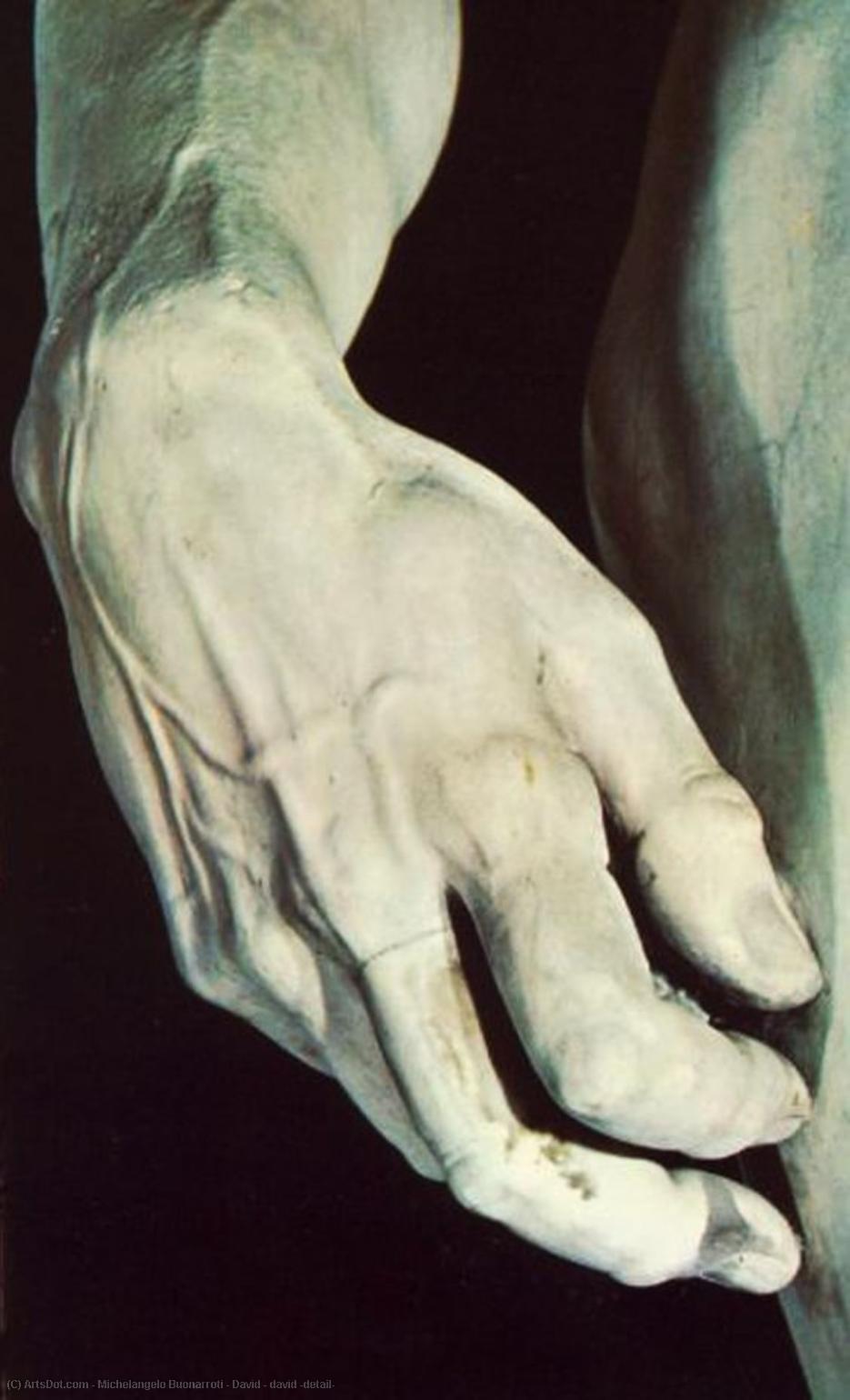
Michelangelo’s David—a breathtaking marble sculpture—captures the monumental power of human form during the High Renaissance. Witnessing Michelangelo's masterful anatomical detail and idealized beauty, this iconic masterpiece invites you to explore its timeless elegance and bring artistic grandeur into your home.
A Masterpiece of Human Form: Exploring Michelangelo’s David
Michelangelo Buonarroti, arguably the most influential sculptor of the Renaissance, stands as an unparalleled figure in artistic history. His unwavering dedication to anatomical precision and idealized beauty cemented his legacy as a visionary who transformed marble into breathtaking expressions of human potential—a legacy that continues to inspire awe and admiration centuries later. Born in Caprese Michelangelo in 1475, Michelangelo’s journey toward artistic greatness began with humble beginnings, defying the expectations of his father who initially discouraged him from pursuing a creative vocation. Yet, fate intervened swiftly, revealing a prodigious talent for drawing that captivated all who witnessed it.
This early apprenticeship under Domenico Ghirlandaio honed his foundational skills in fresco painting and draftsmanship, providing invaluable experience before he ventured into the Medici gardens—a sanctuary of classical antiquity—where he encountered the profound influence of Greek and Roman sculpture. It was here that Michelangelo’s artistic sensibilities truly blossomed, absorbing the principles of anatomy, proportion, and idealized beauty championed by humanist thinkers like Leonardo da Vinci. These ideals would become inextricably linked to his distinctive style, shaping every subsequent masterpiece.
- Style: High Renaissance – Characterized by a harmonious balance between classical influences and Christian spirituality.
- Technique: Michelangelo’s mastery lay in Buonarroti's meticulous sculpting process, utilizing Carrara marble with unparalleled skill. He employed subtractive carving—removing material to reveal the form beneath—a technique demanding immense patience and precision.
The David sculpture embodies this artistic ethos perfectly. Executed between 1501 and 1504 during Michelangelo’s tenure in Florence, it represents a pivotal moment in Renaissance art. Commissioned by Francesco I della Rovere, Duke of Urbino, the statue commemorates David's triumph over Goliath—a biblical narrative symbolizing courage, faith, and defiance against overwhelming odds. Beyond its religious significance, however, David transcends mere storytelling; it’s an embodiment of human dignity and intellectual contemplation. Michelangelo meticulously studied anatomical drawings by Vesalius to achieve unparalleled accuracy in portraying the musculature and posture of the figure.
Symbolism: The statue's pose—David standing poised before Goliath—is laden with symbolic meaning. It represents youthful strength, unwavering resolve, and moral virtue. The outstretched hand holding a stone symbolizes readiness for action and embodies David’s determination to defend his people against tyranny. Furthermore, the sculpture reflects the humanist ideal of man as rational being capable of achieving greatness through intellect and willpower.
Emotional Impact: Viewing David evokes a profound sense of awe and admiration—a testament to Michelangelo's ability to capture not only physical form but also psychological depth. The statue’s serene countenance conveys confidence and inner peace, reflecting the triumph of virtue over adversity. It invites contemplation on themes of courage, faith, and human potential, resonating powerfully with audiences across generations.
David remains an enduring icon of artistic achievement—a symbol of Renaissance ideals and a celebration of human creativity. Its exquisite detail and masterful execution continue to inspire artists and collectors alike, ensuring its place as one of the most treasured artworks in Western history.