A Feast for the Senses: The Splendor of Veronese's Cana
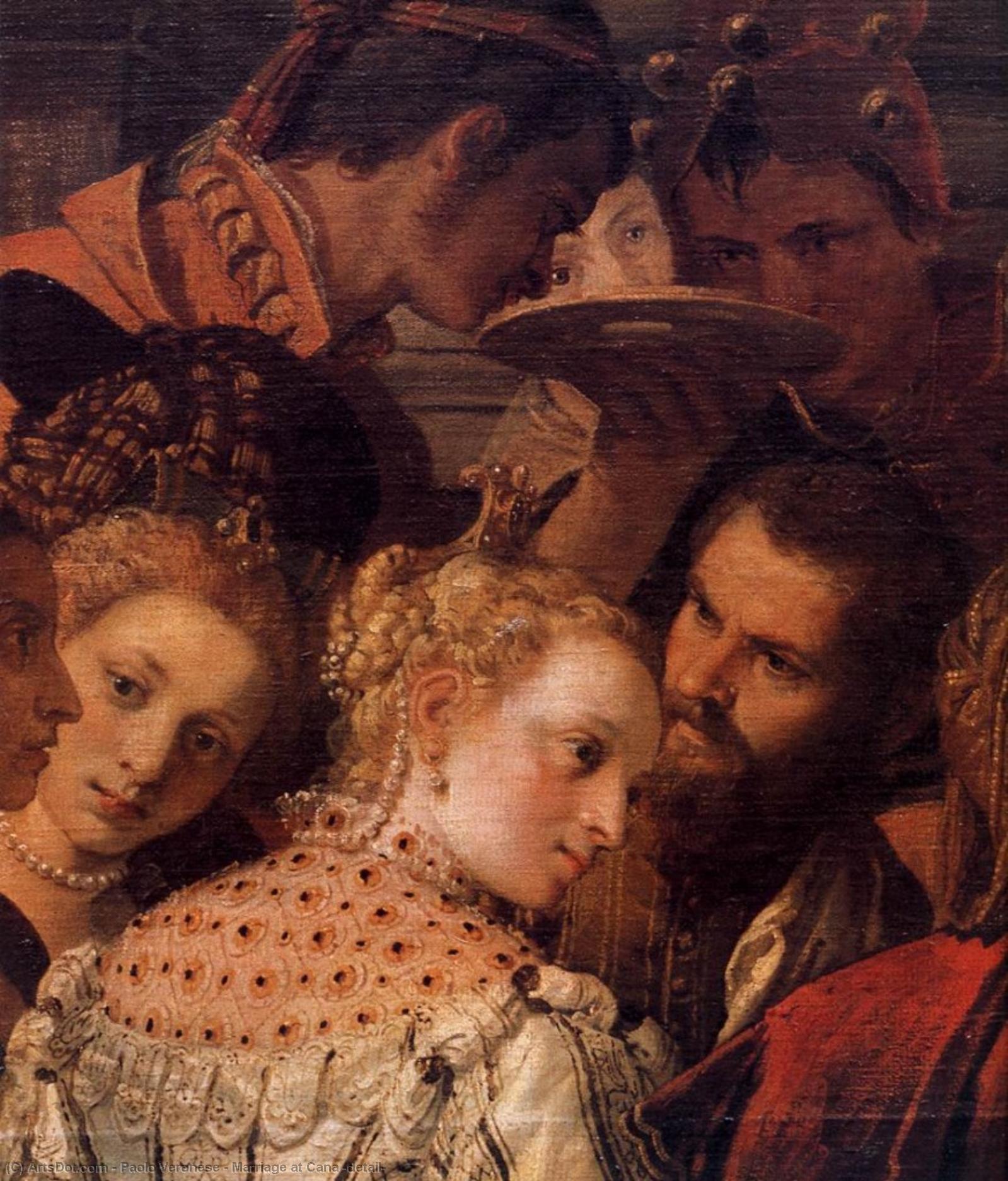
To stand before a detail from Paolo Veronese’s Marriage at Cana is to be enveloped in an atmosphere of unparalleled celebration and vibrant human connection. This work, steeped in the grandeur of High Renaissance Venetian painting, does not merely depict an event; it captures the very essence of joyous spectacle. The eye is immediately drawn into a rich tapestry of color and form, where every figure seems caught mid-gesture, participating in a moment of profound communal bliss. Veronese, the master of opulent vision, uses light not just to illuminate, but to imbue the scene with an almost palpable warmth, making the viewer feel as if they have slipped through time into this magnificent feast.
The Venetian Palette and Masterful Composition
Veronese’s genius lay in his breathtaking command of color. His palette, heavily influenced by the luminous richness of Titian, explodes across the canvas—deep jewel tones mingle with sun-drenched golds, creating a visual symphony that is both dazzling and harmonious. Observe the interplay between the figures gathered around the central action: the woman who commands attention, the man presenting his plate, and the surrounding guests whose varied expressions tell silent stories. The composition itself is a masterful exercise in balancing multitude. Despite the sheer number of people and the inclusion of detailed elements like the dining tables and the glinting wine glass, nothing feels chaotic. Instead, everything flows; the arrangement guides your gaze naturally from one point of interest to the next, creating a sense of orchestrated grandeur.
Symbolism Woven into Celebration
Beyond the immediate visual feast, the scene resonates with deep symbolic weight. The narrative context—the wedding celebration itself—is always charged with themes of covenant, abundance, and divine grace. In art history, such gatherings often symbolize not just a single marriage, but the union of humanity or the triumph of joy over adversity. Every element, from the overflowing bounty suggested by the tables to the very act of gathering, speaks to generosity and shared experience. For the modern collector or designer, this depth means the piece offers more than mere decoration; it provides a focal point for contemplation on community and enduring beauty.
Bringing Renaissance Opulence Home
Owning a reproduction inspired by Veronese’s Marriage at Cana is an invitation to bring the drama and luminosity of the Venetian Golden Age into your own sanctuary. The technique, characterized by its rich layering and saturated hues, translates beautifully into high-quality reproductions, allowing you to experience the texture and depth that defined his brushwork. Imagine this piece anchoring a grand hall or lending dramatic flair to a formal dining space. It is an artwork designed not just to be looked at, but to be experienced—a vibrant testament to human celebration rendered with unparalleled artistic splendor.