A Glimpse into Fin de Siècle Elegance
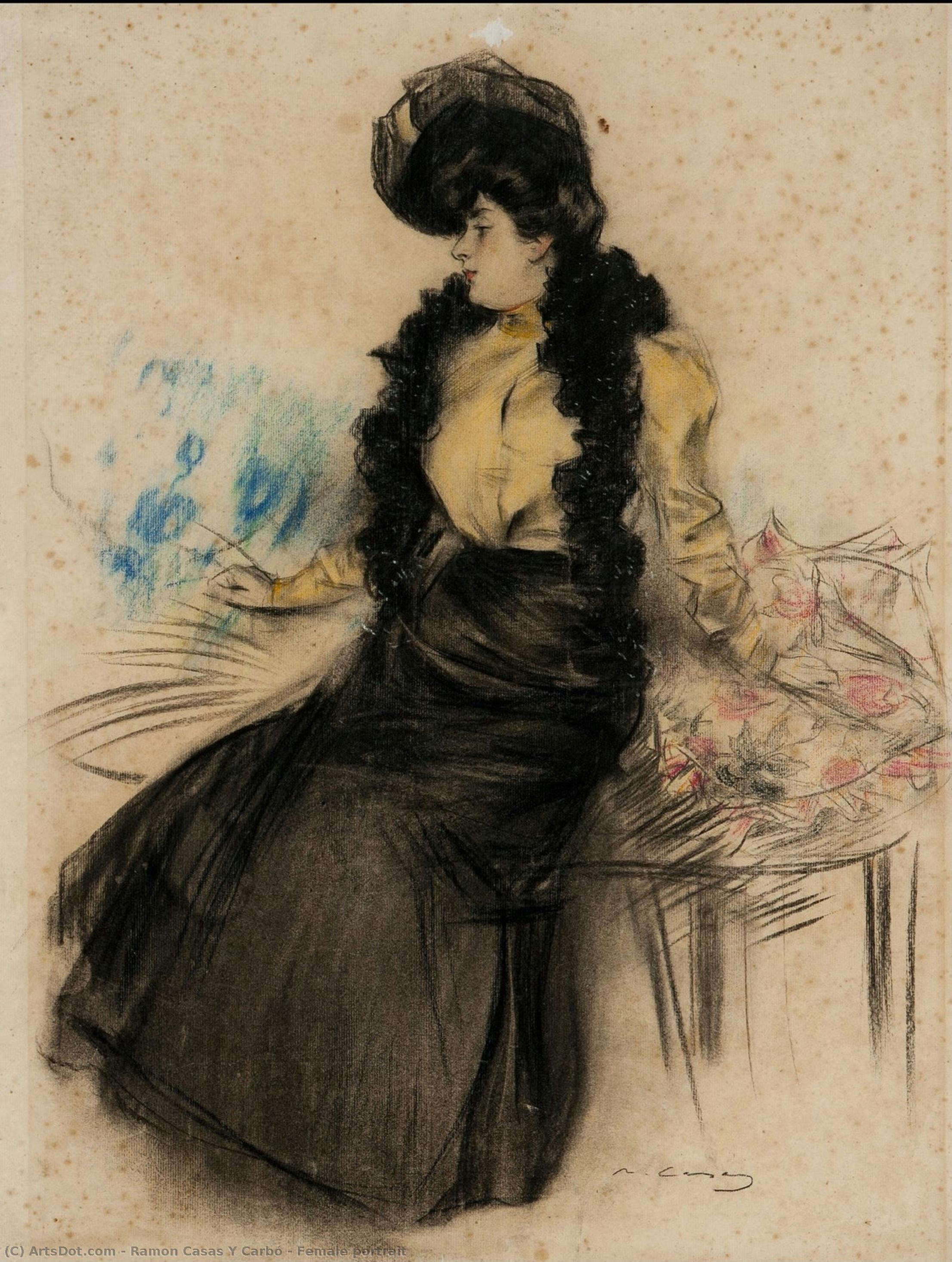
This evocative drawing captures a moment of quiet contemplation, presenting a female figure seated with an air of studied grace. The composition itself speaks volumes about the societal expectations and personal introspection prevalent at the turn of the 20th century. Dressed in a long gown and adorned with a fashionable hat, the subject occupies her chair with a posture that is both relaxed and deliberately composed. Her downward gaze draws the viewer into a private emotional space, suggesting thoughts too delicate or profound for public display. The inclusion of a second, smaller chair subtly frames the scene, adding depth and narrative possibility to what might otherwise be a simple portrait.
The Hand of Ramon Casas i Carbó
To consider this work is to connect with the masterful hand of Ramon Casas i Carbó, a pivotal figure in the Catalan Modernisme movement. Casas was more than just a painter; he was an observer of his time, capturing the spirit and the shifting social landscape of Barcelona. His ability to blend the sharp realism of portraiture with the suggestive brushwork hinting at Impressionism allowed him to create images that felt both historically grounded and eternally modern. His dedication to depicting Catalan life infused his art with a unique cultural resonance, making his portraits enduring touchstones for understanding early 20th-century Iberian society.
Technique and Atmosphere in Monochrome
The choice of medium—a black and white drawing—lends an immediate sense of timeless intimacy to the piece. The artist has utilized line and shadow with remarkable skill, allowing the texture of the fabric, the curve of the hat, and the planes of the face to emerge purely through tonal contrast. This monochromatic approach strips away the distraction of color, forcing the viewer's attention directly onto form, gesture, and the subtle interplay between light and shadow across the sitter’s features. It is a study in restraint, where every drawn line carries significant weight.
Symbolism of Stillness
The overall emotional impact of this portrait resides in its palpable stillness. The crossed legs and the averted gaze suggest a moment suspended in time—a pause between thoughts or conversations. Symbolically, the woman embodies the complex role of femininity during an era of rapid social change; she is elegant, yet introspective. For collectors and designers alike, this piece offers more than mere decoration; it provides a focal point steeped in narrative mystery. It invites one to wonder: what occupies her mind? This quietude makes it a perfect anchor for any sophisticated interior space.
Bringing the Salon Home
Owning a reproduction of this drawing allows one to curate an atmosphere of refined, artistic contemplation within your own walls. Whether placed above a console table or nestled in a gallery setting, its subtle drama and historical weight elevate the surrounding décor. It speaks to an appreciation for art that is both technically brilliant and emotionally resonant—a piece that whispers stories rather than shouting them.