Rembrandt’s Intimate Self-Portrait (21): A Window into the Soul
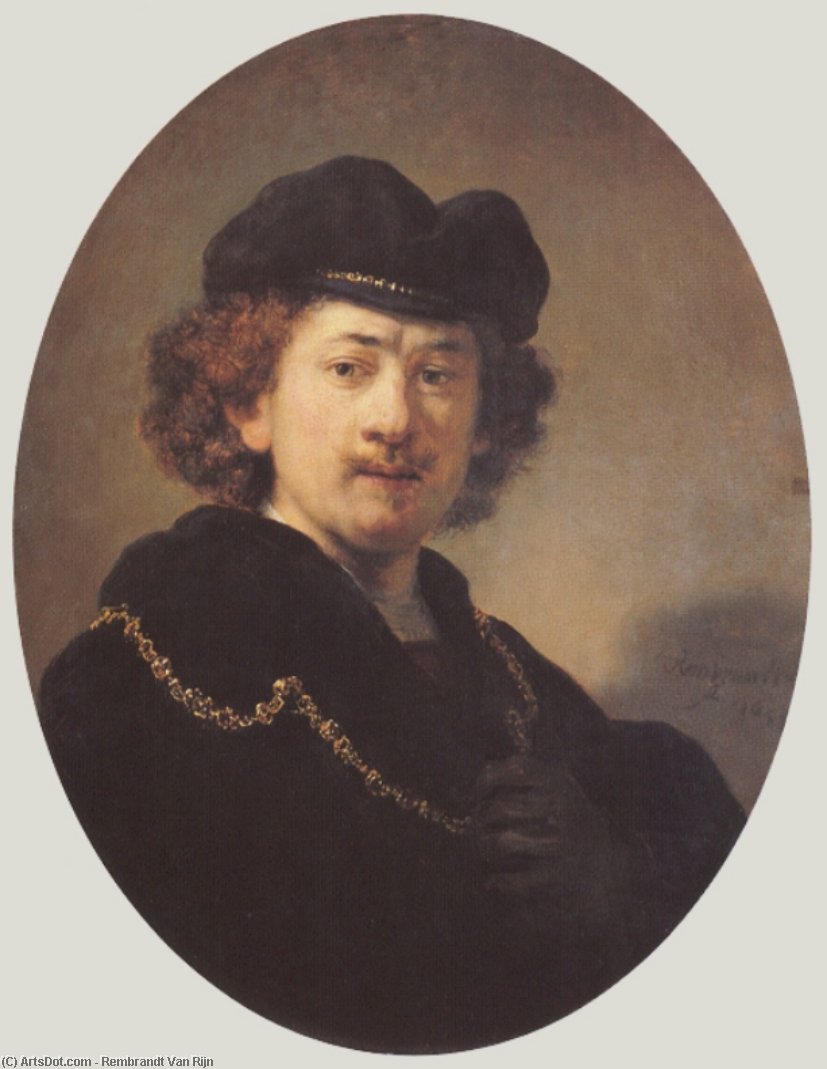
Rembrandt van Rijn's “Self Portrait (21)” – painted in 1633 – isn’t merely a likeness; it’s an intensely personal revelation. This oil painting, measuring a modest 92 x 76 centimeters, transcends the conventions of portraiture and plunges directly into the artist’s psyche. Created during a pivotal period in his career, this work offers a rare glimpse into the mind of one of history's greatest masters – a man grappling with fame, fortune, and the complexities of human existence. The painting immediately captivates with its masterful use of chiaroscuro, Rembrandt’s signature technique of dramatic light and shadow, which sculpts his face and imbues the scene with an almost palpable sense of depth and emotion. The blurred background isn't a stylistic choice; it deliberately draws all attention to the artist himself, emphasizing his presence as the sole focus of the composition.
Rembrandt’s depiction of himself is strikingly honest. He wears a richly adorned suit with a luxurious fur collar, an emblem of his burgeoning success and status within Amsterdam society. Yet, beneath this outward appearance of elegance lies a subtle weariness, a hint of melancholy that resonates deeply. His beard and mustache, meticulously rendered, contribute to his distinguished yet somewhat world-weary countenance. The artist’s gaze is direct, almost challenging the viewer – it's as if he’s inviting us into his thoughts, sharing a moment of quiet introspection. The painting isn’t about vanity; it’s about self-awareness, a profound understanding of one’s own mortality and the passage of time.
The Techniques of a Master
Executed in oil on canvas, “Self Portrait (21)” showcases Rembrandt's unparalleled skill in capturing texture and form. Notice the incredible detail with which he portrays the fabric of his clothing – the subtle folds, the sheen of the fur, the intricate patterns woven into the material. This level of realism is achieved through a combination of meticulous observation and masterful brushwork. Rembrandt’s use of impasto—thickly applied paint—creates a tactile quality that invites us to reach out and touch the canvas. The subtle variations in tone and color further enhance the sense of depth and volume, bringing the portrait to life with remarkable immediacy.
The painting's composition is deceptively simple yet profoundly effective. Rembrandt employs a pyramidal structure, with the artist’s head forming the apex. This arrangement creates a sense of stability and balance while simultaneously drawing our eye upwards towards his face. The limited palette – primarily browns, blacks, and whites – contributes to the overall mood of introspection and solemnity. The careful layering of glazes allows Rembrandt to build up color gradually, creating a luminous effect that is both subtle and captivating.
A Reflection of the Dutch Golden Age
"Self Portrait (21)" stands as a quintessential example of Rembrandt’s work during his period as an artist in Amsterdam. This era, known as the Dutch Golden Age, was marked by unprecedented prosperity, artistic innovation, and intellectual ferment. Rembrandt, like many of his contemporaries, embraced the Baroque style – characterized by dramatic lighting, intense emotion, and a focus on human experience. His portraits weren’t simply representations of individuals; they were explorations of character, psychology, and the complexities of human relationships.
The painting reflects Rembrandt's growing confidence as an artist and his increasing awareness of his own position within society. He was becoming a celebrated figure, sought after by wealthy patrons and influential figures. Yet, beneath this outward success, he struggled with financial difficulties and personal tragedies – themes that would continue to inform his art throughout his career. “Self Portrait (21)” offers a poignant reminder of the duality inherent in human nature – the interplay between triumph and despair, beauty and ugliness, light and shadow.
Own a Piece of History: High-Quality Reproductions
ArtsDot is proud to offer meticulously crafted, handmade oil painting reproductions of Rembrandt’s “Self Portrait (21)”. These museum-quality replicas capture the essence of the original masterpiece with stunning accuracy and detail. Utilizing traditional hand-painting techniques and archival-grade materials, our reproductions ensure that you receive a timeless work of art that will grace your home for generations to come.
Whether you’re an art enthusiast, a collector, or simply seeking to add a touch of classic beauty to your interior décor, ArtsDot's Rembrandt reproduction provides an affordable and authentic way to experience the genius of this iconic artist. Explore our collection at ArtsDot.com and bring home a piece of art history.