William Heberden (1710–1801): A Pioneer of Anatomical Illustration
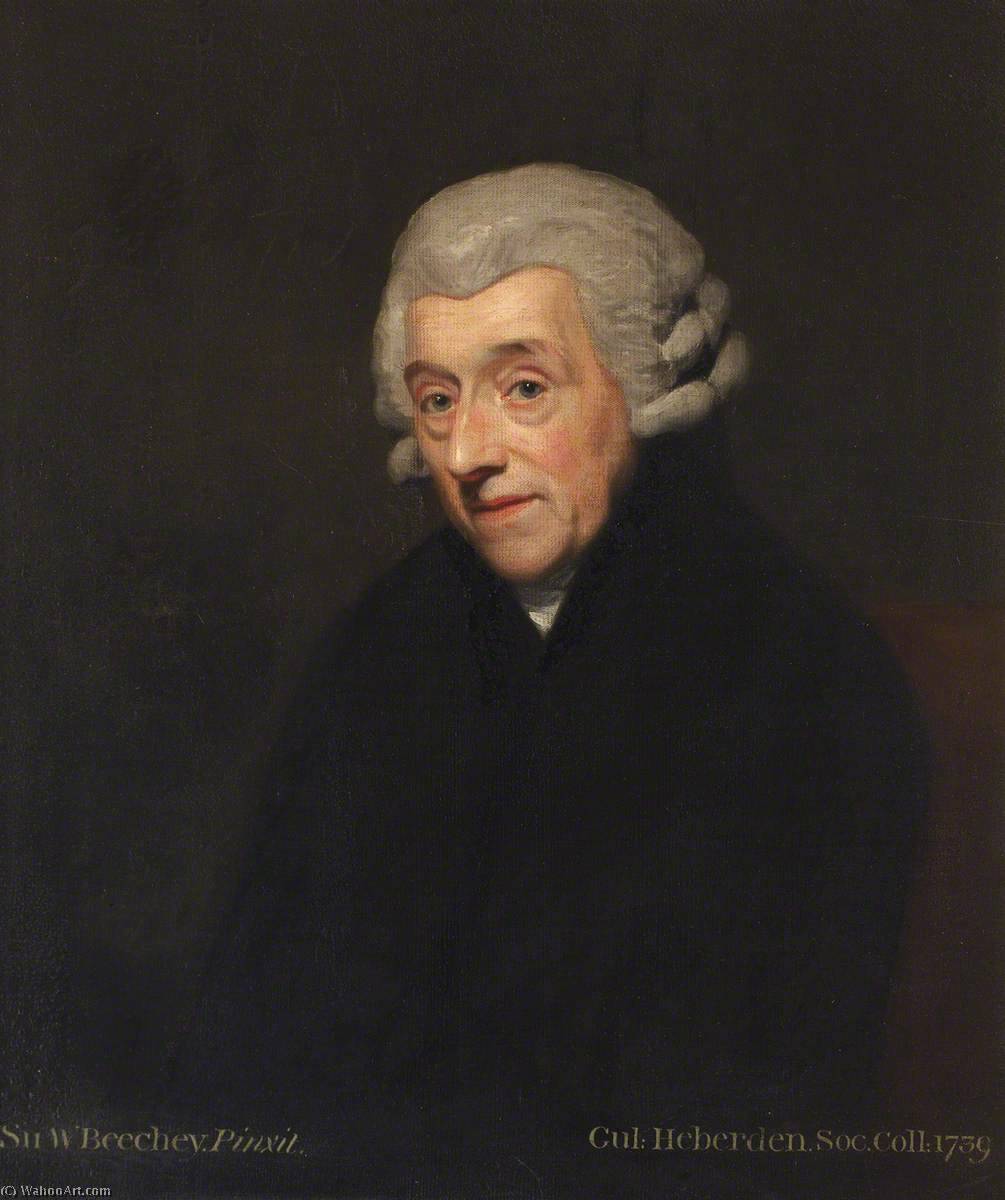
Sir William Beechey’s depiction of William Heberden stands as a testament to the burgeoning field of anatomical illustration during the Georgian era. More than just a portrait, it embodies the intellectual curiosity and meticulous observation that characterized scientific inquiry at the time—a fascination with understanding the human body through detailed visual representation. The painting captures Heberden in a pose typical for formal portraits of physicians, dressed in a dark suit adorned with white shirt cuffs, conveying an air of dignified scholarship. His gaze directs towards the viewer, establishing a connection between artist and subject that transcends mere likeness.
- Style: Neoclassical – Beechey adhered to the stylistic conventions prevalent in London’s artistic circles, prioritizing clarity, balance, and idealized form.
- Technique: Oil on Canvas – The medium lends itself beautifully to capturing subtle tonal variations and textural nuances, allowing for a rich depiction of Heberden's skin tone and clothing fabric.
- Composition: Balanced Symmetry – Beechey skillfully employs symmetry to create a harmonious visual experience, emphasizing the subject’s composure and intellectual stature.
The painting’s historical context illuminates the importance of anatomical study in shaping medical practice during Heberden's lifetime. Anatomical dissections were becoming increasingly common as physicians sought to gain firsthand knowledge of human anatomy—a crucial step towards advancing surgical techniques and improving patient care. Beechey’s portrait reflects this intellectual fervor, symbolizing the pursuit of scientific understanding through artistic representation. The artist’s careful attention to detail underscores the dedication required for mastering the complexities of medicine during that period.
- Symbolism: Dignified Scholarship – Heberden's attire and gaze convey an image of erudition and intellectual seriousness, reflecting the values of the Enlightenment.
- Historical Context: Georgian Era – The painting captures a moment in time when anatomical illustration was gaining prominence as a tool for medical education and advancement.
Beyond its technical merits, Beechey’s portrait possesses an undeniable emotional impact. It evokes a sense of quiet contemplation and intellectual engagement—a reminder of the humanist ideals that underpinned scientific exploration during the Georgian period. The painting's understated elegance speaks to the enduring fascination with capturing human dignity and intellect through art—a legacy that continues to inspire artists and collectors alike. Its serene atmosphere invites viewers to appreciate the beauty of anatomical study as a path toward enlightenment and understanding.
- Emotional Impact: Serenity – The painting’s muted palette and balanced composition contribute to an overall feeling of calm contemplation.
- Legacy: Enduring Fascination – Beechey's portrait exemplifies the artistic tradition of portraying intellectual pursuits with grace and precision, ensuring Heberden’s place in art history.
The painting serves as a poignant reminder that scientific progress is often intertwined with aesthetic appreciation—a harmonious blend of observation and artistry that continues to resonate across centuries. It stands as an exemplary illustration of how visual representation can convey profound intellectual and emotional truths, cementing Sir William Beechey’s reputation as one of the era's foremost portraitists.