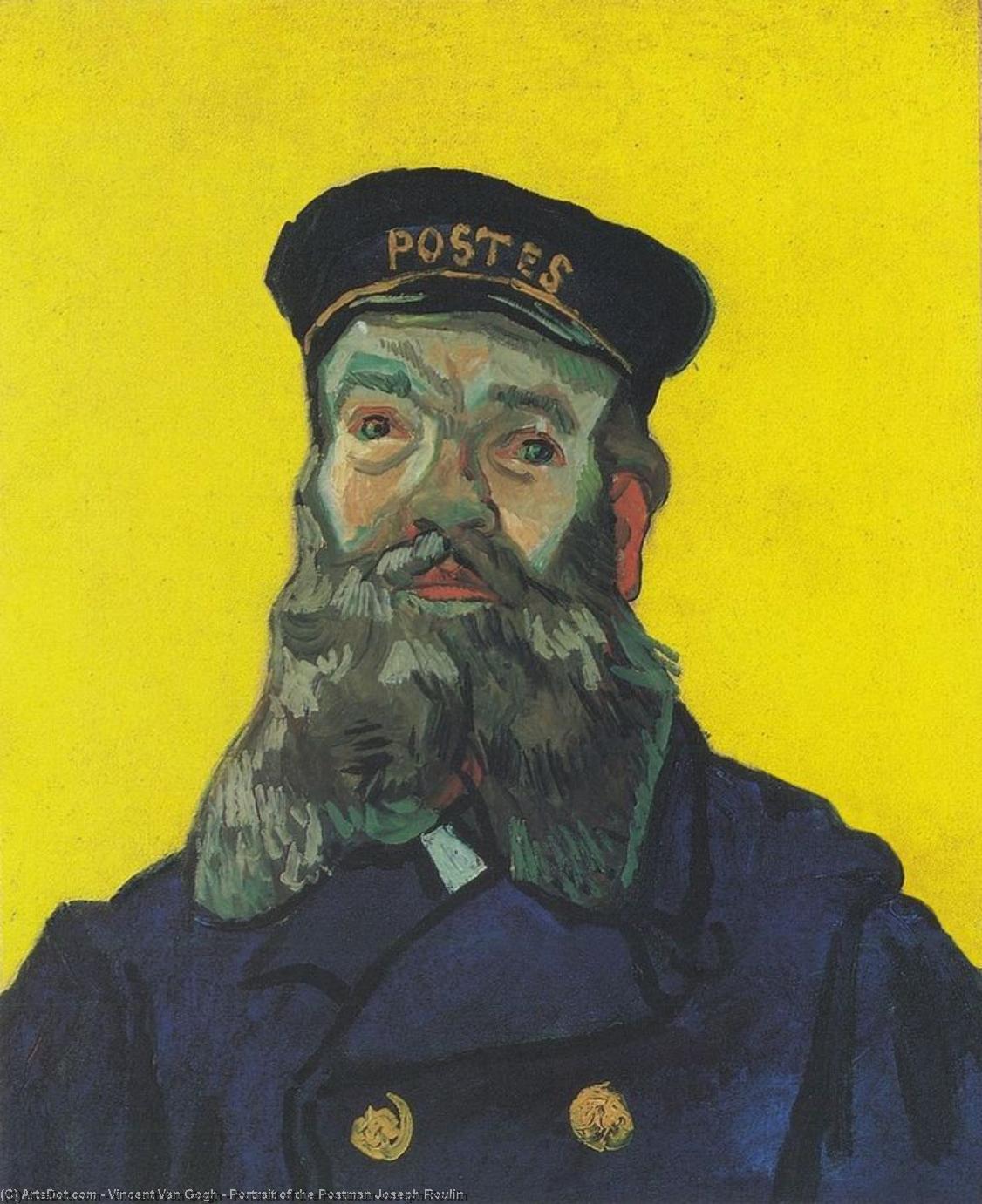
Portrait of the Postman Joseph Roulin
Vincent van Gogh’s “Portrait of the Postman Joseph Roulin” stands as a testament to his remarkable ability to capture not just likeness, but also the very soul of his subjects. Painted in 1889 during his stay in Arles, France – a period marked by both artistic fervor and profound psychological struggle – this oil on canvas masterpiece embodies Van Gogh’s signature style: bold brushstrokes, vibrant color palettes, and an unwavering commitment to conveying emotion.
The painting depicts Joseph Roulin, a humble postman who served as a steadfast companion to Van Gogh during his time in Arles. More than just a portrait, it's an intimate glimpse into the life of a working-class man – a figure that resonated deeply with Van Gogh’s humanist sensibilities.
Key Features & Technique
- Bold Brushstrokes: Van Gogh employed thick impasto technique—applying paint directly onto the canvas in textured layers—creating palpable energy and movement. These energetic strokes capture Roulin's presence, conveying a sense of vitality despite his quiet demeanor.
- Color Palette: The painting utilizes a rich tapestry of colors, dominated by earthy tones accented with splashes of crimson and ochre. This deliberate color choice isn’t merely decorative; it reflects the artist’s emotional state and seeks to imbue the portrait with warmth and sincerity.
- Composition: Roulin is positioned slightly off-center, lending a dynamic quality to the image. The gaze directs towards the viewer, establishing an immediate connection between subject and observer—a hallmark of Van Gogh's psychological realism.
Historical Context & Symbolism
Painted during Van Gogh’s Arles period, “Portrait of the Postman Joseph Roulin” reflects the artist’s fascination with portraying ordinary people – a deliberate departure from academic conventions of his time. The inclusion of Roulin's hat bearing the inscription "Postes" serves as a subtle symbol of labor and community—values that were central to Van Gogh’s worldview.
Furthermore, the painting embodies Van Gogh’s humanist concern for social justice and empathy. He sought to depict Roulin not merely as an individual but as a representative of the working class – a group he championed through his art.
Emotional Impact
"Portrait of the Postman Joseph Roulin" transcends mere visual representation; it communicates profound emotion. The artist’s masterful rendering of Roulin's facial expression—a gaze imbued with thoughtfulness and compassion—captures a moment of quiet contemplation that speaks to the viewer’s own inner life.
This artwork continues to inspire admiration for its expressive power and enduring beauty, cementing Van Gogh’s legacy as one of art history’s most influential figures. Its depiction of everyday humanity resonates across generations, reminding us of the importance of compassion and connection.
The painting is currently housed at Kunstmuseum Winterthur in Switzerland.