A Portal to the Past: The Whispers of the Welsh Bible
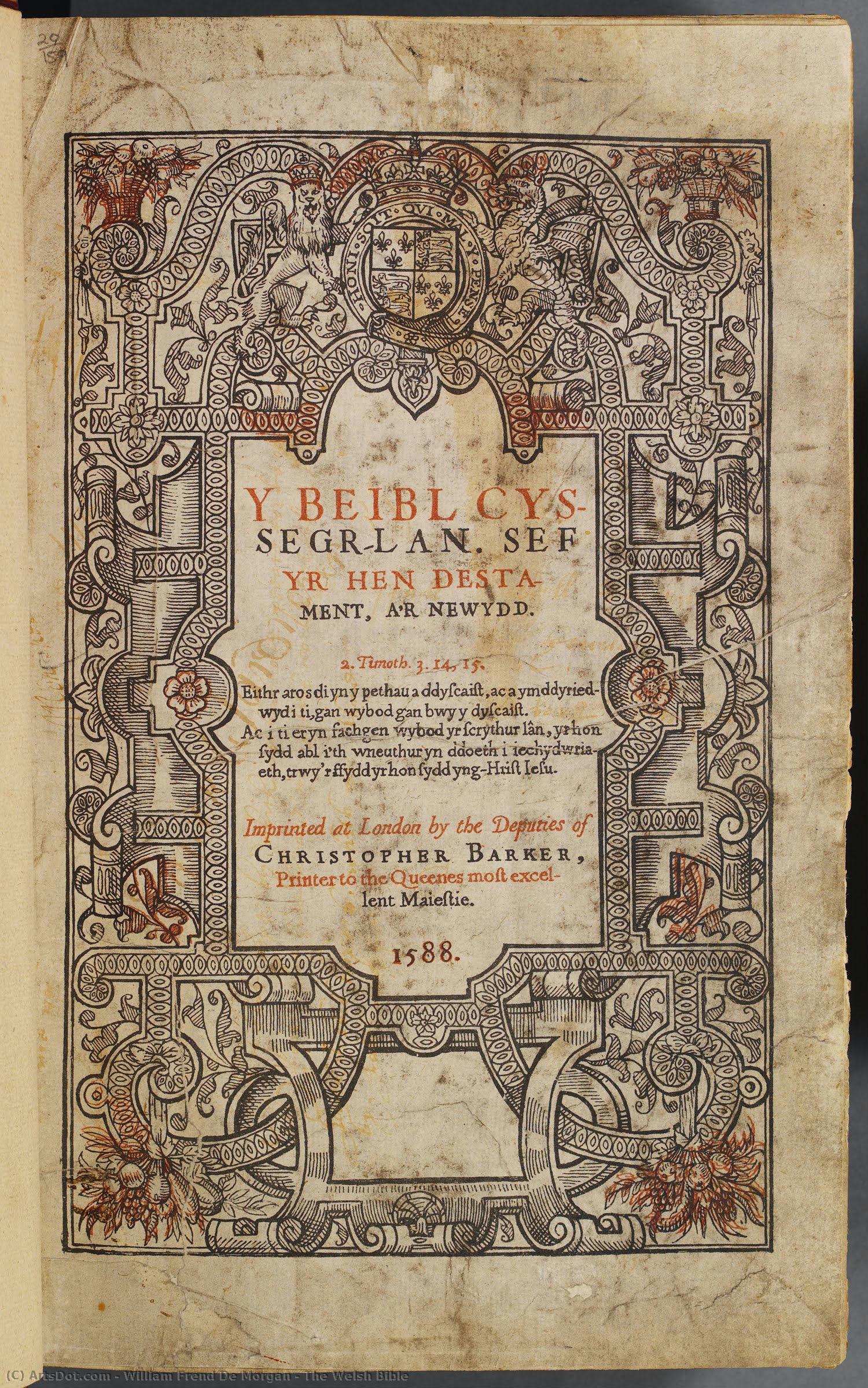
To gaze upon The Welsh Bible is to step through a temporal threshold, leaving the frenetic pace of the modern era for the quiet, reverent atmosphere of the sixteenth century. This exquisite piece, dating back to 1588, serves as more than just a historical artifact; it is a tactile connection to an age of profound spiritual and linguistic transformation. The artwork captures the intimate essence of a title page that has survived centuries of devotion, its worn edges and faded pigments telling a story of hands that have turned these very pages in prayer and study. There is a palpable sense of weight and wisdom held within the visual composition, inviting the viewer to contemplate the enduring legacy of the written word.
The aesthetic allure of this work lies in its intricate marriage of typography and ornamentation. The eye is immediately drawn to the delicate balance of the ornate borders that frame the Welsh text, Yr Hebilys Sefyrnol, with a precision that speaks to the master craftsmanship of the era. A subtle yet striking cross positioned at the top left corner anchors the composition in its religious significance, while the unexpected inclusion of a horse nestled within the decorative elements adds a layer of whimsical, pastoral charm. This juxtaposition of the sacred and the earthly creates a visual rhythm that is both sophisticated and deeply human, making it a captivating focal point for any curated collection.
Artistry and the Soul of the Arts and Crafts Movement
While the subject matter is rooted in the late Tudor period, the interpretation through the lens of William Frend De Morgan brings a unique layer of artistic complexity to the piece. As a polymath deeply embedded in the Arts and Crafts movement, De Morgan possessed an unparalleled ability to find beauty in pattern and historical resonance. His influence ensures that this reproduction does not merely mimic an old book but celebrates the very soul of design—the interplay of line, texture, and organic form. The technique used in this depiction emphasizes the weathered texture of the parchment and the rich, earthy tones that evoke a sense of nostalgia and permanence.
For the discerning collector or interior designer, The Welsh Bible offers an unparalleled opportunity to introduce a sense of heritage and intellectual depth into a living space. It is a piece that demands contemplation, working harmoniously within classical, rustic, or even contemporary minimalist settings to provide a grounding element of history. Whether placed in a sunlit library or as a conversation starter in a sophisticated study, this artwork transcends simple decoration; it becomes an emotional anchor, evoking the quiet dignity of the past and the timeless beauty of human craftsmanship.