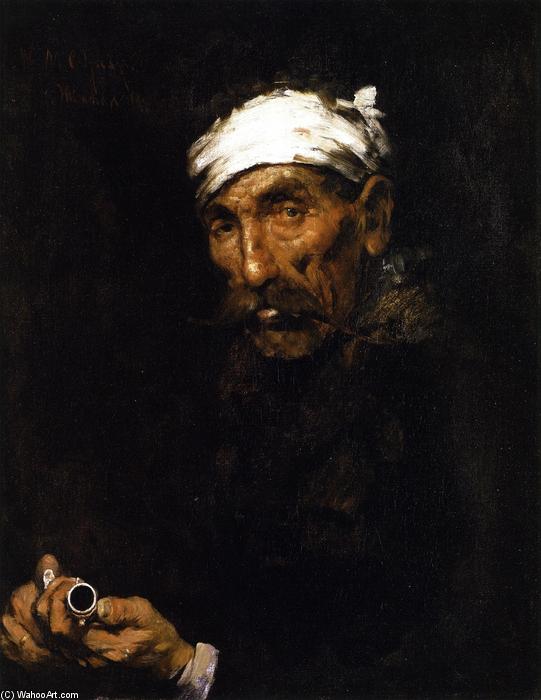
Ein beeindruckendes Ölgemälde von William Merritt Chase! 'Der Verwundete Förster' zeigt einen verwundeten Holzfäller im Stil des Impressionismus und wird im Virginia Museum für Kunst bewundert.
William Merritt Chase (1849-1916): US-amerikanischer Impressionist & Pädagoge! Entdecken Sie seine lebendigen Porträts, Landschaften & das Parsons School Design. Ein Meister seines Fachs!
Entdecken Sie Kunstgeschichte im Virginia Museum of Fine Arts in Richmond! Weltklasse-Sammlungen, Fabergé-Eier & vielfältige Kunst – kostenlose Einladung!
The Wounded Poacher (also known as The Veteran): A Portrait of Resilience
William Merritt Chase’s “The Wounded Poacher,” painted in 1878, stands as a cornerstone of American Impressionism—a movement that sought to capture fleeting moments of light and emotion with unprecedented spontaneity. Currently residing at the Virginia Museum of Fine Arts in Richmond, this oil on canvas masterpiece transcends mere visual representation; it delves into themes of hardship endured, contemplative introspection, and quiet dignity. Chase’s masterful technique exemplifies the core tenets of Impressionism: loose brushstrokes layered to create texture, a deliberate disregard for precise detail in favor of conveying atmosphere, and an unwavering focus on capturing the psychological state of its subject.
A Study in Light and Texture
The painting's visual language is dominated by soft, feathery brushstrokes that dance across the canvas surface—a hallmark of Chase’s approach. These strokes aren’t intended to meticulously render every contour but rather to evoke a sense of movement and luminosity, mirroring the dappled sunlight filtering through foliage. The muted color palette – primarily browns, grays, and blacks punctuated by subtle whites from bandages – contributes significantly to the painting's melancholic mood. Chase skillfully utilizes chiaroscuro—the dramatic interplay between light and shadow—to sculpt the figure’s face and torso, creating depth and dimensionality that draws the viewer into the scene. Notice how the light catches on the man’s weathered skin, highlighting the marks of experience and conveying a palpable vulnerability.
Symbolism Embedded in Detail
Beyond its aesthetic qualities, “The Wounded Poacher” is rich in symbolic resonance. The bandages adorning the subject's head serve as potent reminders of injury—both physical and perhaps emotional—representing the scars borne by those who have faced adversity. Simultaneously, the gun held firmly in his hand symbolizes potential danger or past conflict, hinting at a history marked by struggle and resilience. Yet, despite these weighty associations, Chase’s portrayal exudes an aura of calm contemplation; the man stares off into the distance, seemingly lost in thought—a gesture that speaks to the enduring human capacity for introspection and inner peace.
Historical Context: The Dawn of Impressionism
Painted during a period of burgeoning artistic experimentation in America, “The Wounded Pocher” aligns perfectly with the broader trajectory of Impressionism. Following the influence of artists like Claude Monet and Edgar Degas, Chase championed a revolutionary approach to painting—one that prioritized capturing subjective experience over objective representation. This stylistic shift reflected a growing disillusionment with academic conventions and an eagerness to embrace new artistic horizons. The Virginia Museum of Fine Arts’s collection showcases this legacy, offering visitors the opportunity to immerse themselves in the transformative spirit of Impressionism and appreciate Chase's contribution to its enduring appeal.
A Legacy of Luminosity and Emotion
“The Wounded Poacher” remains a testament to William Merritt Chase’s artistic vision—a captivating portrait that transcends time and continues to inspire admiration for its masterful execution and profound emotional depth. Its enduring power lies in its ability to convey not only the visual beauty of light and color but also the complexities of human experience, cementing Chase's place as one of America’s foremost Impressionist painters.