 Vorschau anzeigen
 Versenden
 Teilen
 Details anzeigen

 Herunterladen
 Ähnliche Objekte
 Röntgenaufnahme
 Diashow
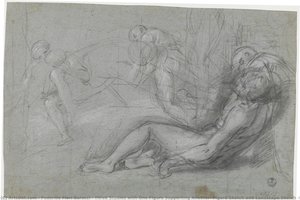
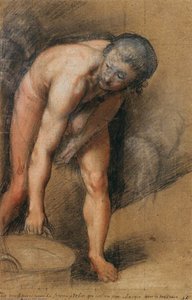
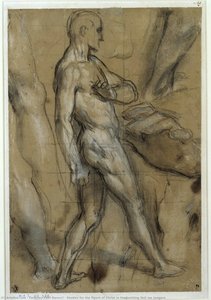
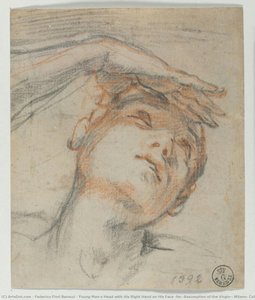
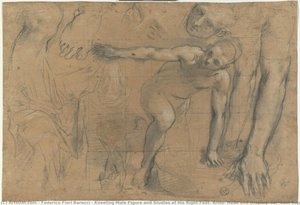
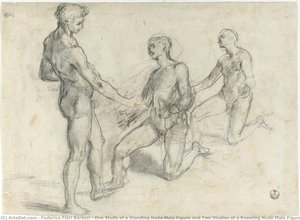
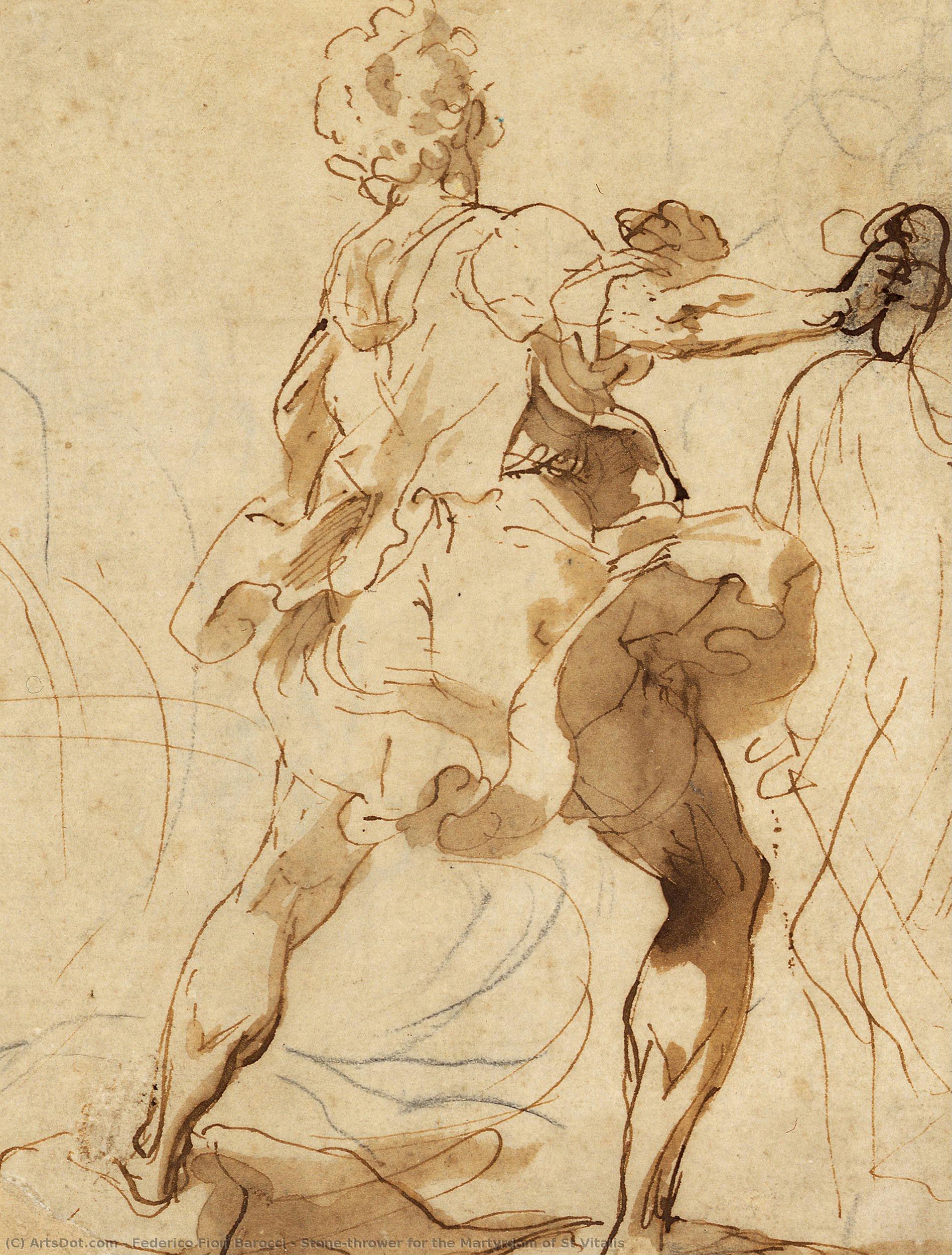
Stone-thrower for the Martyrdom of St Vitalis
 Acrylic
- WallArt
- Italian Baroque
 1582
1582 16.0 x 20.0 cm
 Art Galerie von Südaustralien
 Weiterlesen
Handgefertigte Ölreproduktion
Handgemaltes Ölgemälde auf Leinwand in Ihrer Wunschgröße und mit Rahmen, auf Bestellung von unseren Künstlern angefertigt. ( Druck bestellen Bild kaufen)




P118B $10

P118H $10

P118W $10

P438Z $10

P508JH $12

P508YH $12

P805H $10

P805Z $10

P919BZ $10

P919G $10

P919XJ $10

P959ZH $10

P968JZ $12

W106C $8

W218G $10

W218JH $8

W218Y $10

W307PJ $10

W316G $10

W316PJ $8

W316Y $10

W398PJ $8

W4111J $10

W500HY $15

W500JH $15

W692G $12

W849H $8

W940BG $15

W953PJ $8




Wählen Sie aus unseren vordefinierten Formaten, die den ursprünglichen Proportionen des Kunstwerks entsprechen.

Sie können Ihre eigenen Maße eingeben, um einen bestimmten Rahmen oder Platz auszufüllen. Wenn die gewählte Größe nicht den Proportionen des Originalbildes entspricht, werden wir das Kunstwerk entweder beschneiden oder das Gemälde durch zusätzliche, handgemalte Elemente erweitern. Ein digitales Mockup wird Ihnen zur Genehmigung zugesandt, bevor die Produktion beginnt.
Bitte beachten Sie, dass die Bildschirmvorschau nicht die tatsächliche Beschneidung oder Erweiterung widerspiegelt. Nur das Mockup zeigt die endgültige Komposition exakt an.
Obwohl Sondermaße verfügbar sind, empfehlen wir, eine Größe aus der vordefinierten Liste zu wählen, um die ursprünglichen Proportionen beizubehalten.
Nach der Bestellung wird das ArtsDot.com-Team dem Kunden Anweisungen per E-Mail zusenden und eine Mockup-Vorschau bereitstellen.
Weltweiter Versand () in nur 3 bis 4 Wochen statt der üblichen 5 Wochen. (4 September). Keine Kompromisse bei der Qualität.

Kostenloser weltweiter Expressversand

Hochwertige Leinenleinwand

Umfassender Versicherungsschutz beim Versand

Zollgebühren-Rückerstattungsgarantie

Garantie für exakte Farbtreue

60 Tage Rückgaberecht (nur bei Mängeln)

100% Geld-zurück-Garantie

Mengenrabatt verfügbar
 Die Glasoption ist nur für Größen unter 110 cm verfügbar.

Stone-thrower for the Martyrdom of St Vitalis
Art der Reproduktion
Format der Reproduktion
-


Gesamtpreis
$ 263
Federico Fiori Barocci’s Stone-Thrower for the Martyrdom of St Vitalis: A Testament to Renaissance Drama
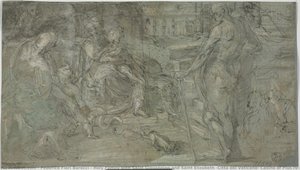
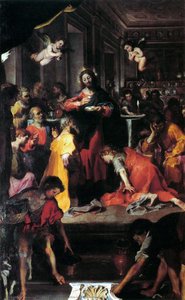
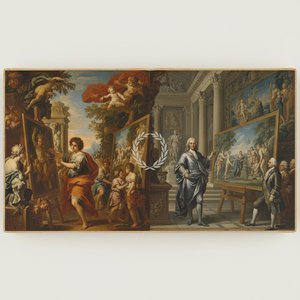
The painting “Stone-thrower for the Martyrdom of St Vitalis,” attributed to Federico Fiori Barocci (1535 – 1612), stands as a striking example of Florentine Mannerism, capturing a moment of intense spiritual fervor and dramatic confrontation. Executed in 1582, this artwork transcends mere depiction; it’s an embodiment of the artistic sensibilities that would soon propel Europe into the Baroque era. Measuring just 16 x 20 cm, its diminutive size belies the profound psychological depth conveyed by Barocci's masterful brushstrokes.Subject Matter and Narrative Tension
The scene portrays a man engaged in hurling a stone at another figure – presumably St Vitalis – commemorating his martyrdom. The composition is deliberately unsettling; the central protagonist isn’t idealized but rendered with palpable anxiety, his gaze fixed upward as he prepares to act. This posture speaks volumes about the artist's preoccupation with conveying inner turmoil and emotional struggle—a hallmark of Mannerist aesthetics. The second man, positioned behind him, represents a silent witness to this dramatic gesture, furthering the tension within the frame.Style and Technique: Embracing Distortion for Emotional Resonance
Barocci’s technique exemplifies the stylistic innovations characteristic of his time. He eschewed the smooth, harmonious surfaces favored by earlier Renaissance artists in favor of a textured surface achieved through meticulous layering of paint—a technique known as impasto—particularly noticeable on the man's robe and facial features. The artist skillfully employs chiaroscuro – dramatic contrasts between light and dark – to heighten the emotional impact of the scene. Shadows engulf much of the background, emphasizing the protagonist’s isolation and intensifying the psychological drama unfolding before the viewer’s eyes. Furthermore, subtle distortions in perspective contribute to an overall sense of unease and disorientation, mirroring the spiritual anxieties prevalent during the Reformation.Historical Context: The Spirit of Renaissance Drama
Painted during a period marked by religious upheaval and artistic experimentation, “Stone-thrower” reflects the broader cultural landscape of 16th-century Italy. The Mannerist movement arose as a reaction against the idealized beauty of High Renaissance art, prioritizing psychological realism and expressive gesture over anatomical accuracy. Artists like Barocci sought to evoke emotion rather than simply represent reality, anticipating the Baroque’s emphasis on theatricality and grandeur. Taddeo Zuccari's studio in Rome served as a crucible for artistic ideas, exposing Barocci to influences that would ultimately shape his distinctive style.Symbolism: Gesture and Spiritual Confrontation
The act of throwing the stone symbolizes defiance against injustice and embodies the fervent devotion demanded by religious faith. The upward gaze of the protagonist signifies contemplation and prayer—a gesture intended to elevate him beyond earthly concerns. The positioning of St Vitalis, though obscured, reinforces the narrative’s core theme: a confrontation between human will and divine authority. Barocci's deliberate use of visual cues communicates not just what is seen but also what is felt – a profound meditation on faith, suffering, and righteous indignation.Emotional Impact: Capturing Intense Psychological Drama
Ultimately, “Stone-thrower for the Martyrdom of St Vitalis” succeeds in capturing the essence of Renaissance drama—a preoccupation with portraying human emotion with unflinching honesty. Barocci’s masterful manipulation of light, texture, and perspective compels viewers to confront uncomfortable truths about faith and morality. It remains a testament to the artist's ability to transform visual representation into a conduit for profound psychological experience – an enduring legacy that foreshadows the transformative power of Baroque art.Ähnliche Kunstwerke
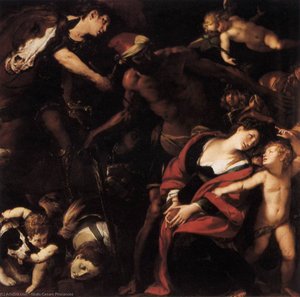
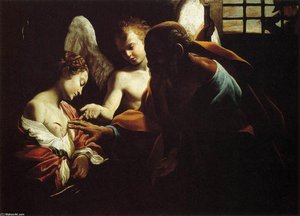
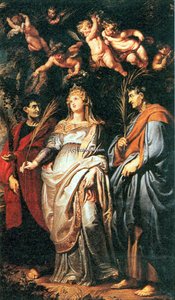
Über den Künstler
Frühes Leben und Ausbildung
- Geboren: Urbino, Italien (1535)
- Gestorben: 1612
- Federico Fiori Barocci, ein italienischer Renaissance-Maler und Grafiker, wurde 1535 in Urbino, Italien, geboren.
- Sein ursprünglicher Name war Federico Fiori, und er erhielt den Spitznamen "il Baroccio", was im nordwestitalienischen Dialekt eine zweirädrige Karre bedeutet, die von Ochsen gezogen wird.
- Barocci erhielt seine erste Ausbildung bei seinem Vater, Ambrogio Barocci, einem Bildhauer von örtlicher Bedeutung.
- Anschließend wurde er beim Maler Battista Franco in Urbino ausgebildet. Diese Ausbildung legte den Grundstein für seinen späteren Erfolg.
Künstlerische Karriere und Einflüsse
- Baroccis Werk war hoch angesehen und einflussreich und kündigte den Stil Peter Paul Rubens' an.
- Er arbeitete im renommierten Studio von Taddeo und Federico Zuccari in Rom, wo er verschiedenen künstlerischen Einflüssen ausgesetzt war.
- Seine erste bemerkenswerte Arbeit war eine St. Margarete, die für die Confraternity of the Holy Sacrament geschaffen wurde.
- Er wurde von Papst Pius IV eingeladen, bei der Dekoration des Vatikan Belvedere Palastes in Rom zu helfen, wo er die Jungfrau Maria und das Jesuskind mit mehreren Heiligen sowie eine Decke in Fresko malte, die die Verkündigung darstellten.
- Baroccis Stil war durch eine Mischung aus Manierismus- und Barockelementen gekennzeichnet.
Bemerkenswerte Werke und Vermächtnis
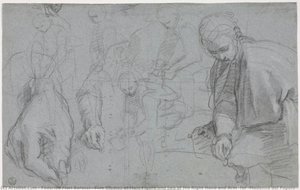
- Fünf Studien einer männlichen Figur und zwei seiner rechten Hand und Arms (Uffizien Galerie, Florenz, Italien) – ein Beweis für Baroccis Geschick im Festhalten der menschlichen Form.
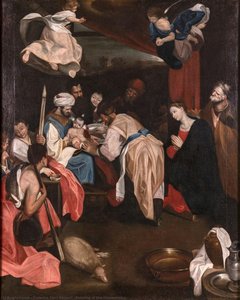
- Kompositionsstudie (für „Beschneidung“, Paris, Musée du Louvre) – demonstriert seine Fähigkeit, Komposition und Emotion in Einklang zu bringen.
- Kopf eines Mannes (für „Rufer des Heiligen Andreas“, Brüssel, Königliche Museen der Schönen Künste von Belgien) – zeigt Baroccis Liebe zum Detail und Ausdruckskraft.
- Die Mariä Geburt (1597 Öl auf Leinwand im Prado).
- Madonna del Popolo (Uffizien Galerie, Florenz, Italien).
- Die Madonna mit der Katze (La Madonna del Gatto)
- Verkündigung (1582)
Entwicklung und Bedeutung
- Obwohl er sich nach einem vermeintlichen Giftanschlag 1563 dauerhaft aus Rom zurückzog und hauptsächlich in Urbino tätig war, entwickelte Barocci seinen Stil weiter.
- Er nutzte neue Zeichentechniken, die es ihm ermöglichten, unorthodoxe malerische Methoden zu entwickeln.
- Seine Werke zeichnen sich durch Wärme des Gefühls und tiefe Spiritualität aus.
Vermächtnis und Rezeption
- Barocci gilt als ein wichtiger Vorläufer des Barockstils und beeinflusste Künstler wie Peter Paul Rubens maßgeblich. Sein Werk steht für den Übergang von Manierismus zum Barock und spiegelt die religiösen und künstlerischen Strömungen der Gegenreformation wider.
- Er war einer der bedeutendsten und individuellsten Maler seiner Zeit in Mittelitalien.
- Baroccis Einfluss ist in den Werken verschiedener Künstler sichtbar, darunter Peter Paul Rubens, der von Baroccis dramatischem und emotionalem Pinselstrich inspiriert wurde. Sein Vermächtnis wird weiterhin gefeiert durch seine zahlreichen Werke, die sich nun in Museen wie der Uffizien Galerie (Florenz, Italien) und dem Musée du Louvre (Paris, Frankreich) befinden.
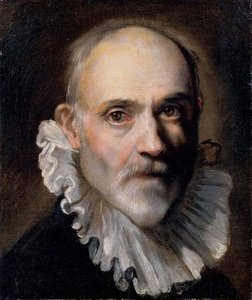
Federico Fiori Barocci
1535 - 1612 , Italien
Kurzinfos
- Beeinflusste Künstler: ['Battista Franco']
- Bemerkenswerte Werke:
- Die Mariä Geburt
- Madonna del Popolo
- Verkündigung
- Geburtsdatum: 1535
- Geburtsort: Urbino, Italien
- Künstlerischer Stil: Renaissance, Barock
- Nationalität: Italiener
- Sterbedatum: 1612
- Vollständiger Name: Federico Fiori Barocci
- Von Künstlern Beeinflusst: ['Peter Paul Rubens']
Ähnliche Artikel

Barocke Pracht: Wie Sie Opulenz und Emotionen in zeitgenössische Innenräume bringen
Entdecken Sie die Pracht des Barock! Expertenratgeber für luxuriöse Innenräume mit barocken Elementen. Inspiration, Tipps & hochwertige Kunst bei .
Simon Vouet: Vom italienischen Barock zum französischen Klassizismus – Eine künstlerische Reise
Entdecken Sie das Leben und Werk von Simon Vouet, dem Pionier des italienischen Barock in Frankreich! Erfahren Sie mehr über seinen künstlerischen Werdegang, seine wichtigsten Gemälde und seinen nachhaltigen Einfluss auf die französische Malerei. Jetzt lesen!

Barock Meisterwerke: Die 10 prägendsten Kunstwerke für Ihr Zuhause |
Entdecken Sie die 10 prägendsten Meisterwerke des Barock! Caravaggio, Rembrandt & Co. – Erfahren Sie die Geschichten hinter ikonischen Gemälde und finden Sie hochwertige Kunst Reproduktionen für Ihr Zuhause auf .

The Visceral Stage: Exploring Dramatic Narratives & Emotional Intensity in Baroque Art
Explore the dramatic world of Baroque art! Discover iconic masters like Caravaggio & Rembrandt, their techniques, and the movement's lasting impact. Expert insights for collectors & enthusiasts at ArtsDot.

The Dramatic Flourish: Exploring the Baroque Movement's Enduring Legacy in Art History
Explore the dramatic world of Baroque art! Discover iconic artists like Caravaggio & Rubens, defining techniques, and its lasting impact on art history. Expert insights for collectors & enthusiasts at ArtsDot.