 Vorschau anzeigen
 Versenden
 Teilen
 Details anzeigen

 Herunterladen
 Ähnliche Objekte
 Röntgenaufnahme
 Diashow
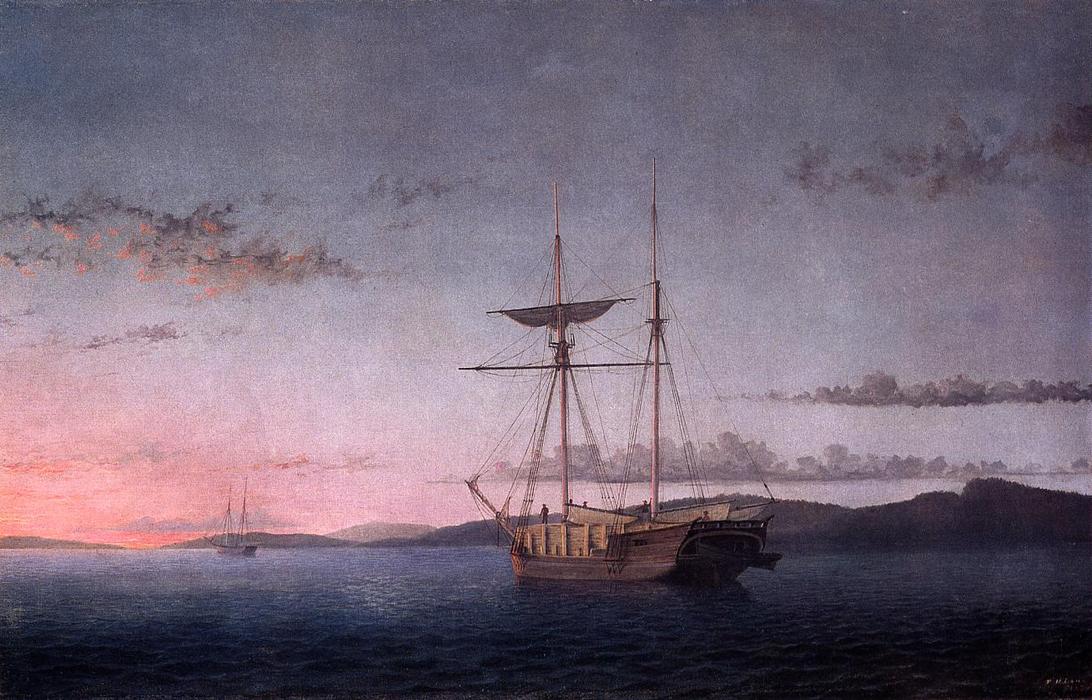
Lumber Schooners at Evening on Penobscot Bay


 Weiterlesen
Handgefertigte Ölreproduktion
Handgemaltes Ölgemälde auf Leinwand in Ihrer Wunschgröße und mit Rahmen, auf Bestellung von unseren Künstlern angefertigt. ( Druck bestellen Bild kaufen)




P118B $10

P118H $10

P118W $10

P438Z $10

P508JH $12

P508YH $12

P805H $10

P805Z $10

P919BZ $10

P919G $10

P919XJ $10

P959ZH $10

P968JZ $12

W106C $8

W218G $10

W218JH $8

W218Y $10

W307PJ $10

W316G $10

W316PJ $8

W316Y $10

W398PJ $8

W4111J $10

W500HY $15

W500JH $15

W692G $12

W849H $8

W940BG $15

W953PJ $8




Wählen Sie aus unseren vordefinierten Formaten, die den ursprünglichen Proportionen des Kunstwerks entsprechen.

Sie können Ihre eigenen Maße eingeben, um einen bestimmten Rahmen oder Platz auszufüllen. Wenn die gewählte Größe nicht den Proportionen des Originalbildes entspricht, werden wir das Kunstwerk entweder beschneiden oder das Gemälde durch zusätzliche, handgemalte Elemente erweitern. Ein digitales Mockup wird Ihnen zur Genehmigung zugesandt, bevor die Produktion beginnt.
Bitte beachten Sie, dass die Bildschirmvorschau nicht die tatsächliche Beschneidung oder Erweiterung widerspiegelt. Nur das Mockup zeigt die endgültige Komposition exakt an.
Obwohl Sondermaße verfügbar sind, empfehlen wir, eine Größe aus der vordefinierten Liste zu wählen, um die ursprünglichen Proportionen beizubehalten.
Nach der Bestellung wird das ArtsDot.com-Team dem Kunden Anweisungen per E-Mail zusenden und eine Mockup-Vorschau bereitstellen.
Weltweiter Versand () in nur 3 bis 4 Wochen statt der üblichen 5 Wochen. (23 August). Keine Kompromisse bei der Qualität.

Kostenloser weltweiter Expressversand

Hochwertige Leinenleinwand

Umfassender Versicherungsschutz beim Versand

Zollgebühren-Rückerstattungsgarantie

Garantie für exakte Farbtreue

60 Tage Rückgaberecht (nur bei Mängeln)

100% Geld-zurück-Garantie

Mengenrabatt verfügbar
 Die Glasoption ist nur für Größen unter 110 cm verfügbar.

Lumber Schooners at Evening on Penobscot Bay
Art der Reproduktion
Format der Reproduktion
-


Gesamtpreis
$ 263
Beschreibung des Kunstwerks
Fitz Henry Lane’s “Lumber Schooners at Evening on Penobscot Bay”: A Luminist Masterpiece
Fitz Henry Lane's "Lumber Schooners at Evening on Penobscot Bay," painted in 1860, isn’t merely a depiction of a coastal scene; it’s a profound meditation on light, atmosphere, and the enduring spirit of New England maritime life. This remarkable work, now housed within the National Gallery of Art in Washington D.C., exemplifies the Luminist movement—a distinctly American style that prioritized capturing the subtle effects of natural light and creating an immersive sense of tranquility and observation. Lane’s ability to evoke a specific time of day, with its fading warmth and approaching twilight, is truly captivating, drawing the viewer into the heart of this evocative seascape.
The painting itself presents a carefully constructed vista of Penobscot Bay at dusk. Several lumber schooners, their sails furled for the evening, are anchored in the water, reflecting the last vestiges of sunlight. The boats themselves—robust and weathered—are rendered with meticulous detail, showcasing Lane’s mastery of capturing texture and form. However, it's not the precise rendering of the vessels that commands attention; rather, it is the way in which Lane utilizes light to create a sense of depth and atmosphere. Notice how the warm hues of orange and gold bleed across the sky, gradually softening into cooler blues and purples as they meet the water’s surface. This masterful use of color establishes a palpable mood—one of quiet contemplation and serene beauty.
The Luminist Vision: Light and Observation
Lane's work is deeply rooted in the principles of Luminism, an artistic movement that emerged in America during the mid-19th century. Unlike the more dramatic Romantic painters who favored bold contrasts and dynamic compositions, Luminists sought to capture the fleeting effects of light and atmosphere with a delicate hand. They were fascinated by the way light transformed landscapes at different times of day, and they aimed to create paintings that felt like intimate observations of nature. Lane’s “Lumber Schooners” perfectly embodies this approach—it's not an action-packed scene but rather a carefully observed moment in time, imbued with a sense of quiet beauty.
Lane’s background as a sailmaker profoundly influenced his artistic vision. He spent much of his youth immersed in the maritime world of Gloucester, Massachusetts, and this experience is evident in the painting's realistic depiction of ships and harbors. His understanding of sailing vessels—their construction, their movement, and their relationship to the sea—is translated into a remarkably accurate and evocative portrayal. Furthermore, his early life with a physical disability likely fostered a keen observational skill, as he sought alternative forms of expression through art.
Symbolism and Emotional Resonance
Beyond its technical brilliance, “Lumber Schooners at Evening” is rich in symbolism. The lumber schooners themselves represent the economic heart of Penobscot Bay—a vital industry that sustained the region for generations. Their presence evokes a sense of industriousness and resilience, while their stillness at dusk suggests a moment of respite after a long day’s work. The darkening sky and the fading light symbolize the passage of time and the inevitability of change. The painting, therefore, can be interpreted as a reflection on the cyclical nature of life—the ebb and flow of industry, the beauty of fleeting moments, and the enduring connection between humanity and the natural world.
Ultimately, “Lumber Schooners at Evening on Penobscot Bay” is more than just a painting; it’s an experience. It invites the viewer to slow down, to breathe deeply, and to contemplate the beauty of the natural world. Lane's masterful use of light, color, and composition creates a powerful emotional resonance—a sense of peace, tranquility, and connection to something larger than oneself. It remains a testament to the enduring power of Luminism and a captivating example of American art at its finest.
Historical Context and Artistic Legacy
Fitz Henry Lane’s career spanned several decades, during which he produced over 300 paintings—primarily coastal scenes and maritime subjects. He was a key figure in the development of Luminism, alongside artists like Asher B. Durand and Thomas Moran. His work was initially met with mixed reviews, but it gradually gained recognition for its unique qualities and its ability to capture the essence of American landscapes. Lane’s legacy is secured by his pioneering role in establishing Luminism as a distinct artistic style—one that continues to inspire artists today.
Reproductions of “Lumber Schooners at Evening” are available through various reputable art dealers, offering collectors an opportunity to own a piece of American art history. Consider the scale and framing carefully when selecting a reproduction; a larger format will undoubtedly enhance the painting’s immersive quality. This iconic work serves as a beautiful reminder of the power of observation, the beauty of light, and the enduring spirit of New England.
Ähnliche Kunstwerke
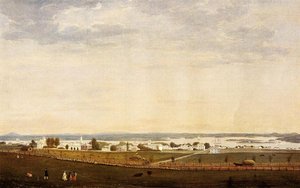
Über den Künstler
Frühes Leben und Umstände
- Geboren: 19. Dezember 1804, Gloucester, Massachusetts
- Gestorben: 14. August 1865, Gloucester, Massachusetts
- Vollständiger Name: Nathaniel Rogers Lane (1832 legal geändert in Fitz Henry Lane)
- Strömung: Luminismus
Künstlerische Entwicklung und Ausbildung
- Lithografische Erfahrung: Arbeitete von 1832 bis 1847 als Lithograf in Pendleton’s Lithography Shop in Boston.
- Frühe Werke: Das Aquarell "Burning of the Packet Ship 'Boston'" demonstriert eine sich entwickelnde Fähigkeit, aber einen weniger verfeinerten Stil als seine späteren Arbeiten.
Stil und Hauptwerke: Der Luminist-Meister
Lane gilt als eine führende Figur der Luministenbewegung, die durch ihren Schwerpunkt auf das Einfangen atmosphärischer Effekte, insbesondere Lichtreflexe auf dem Wasser, gekennzeichnet ist. Seine Gemälde sind bekannt für ihre Klarheit, Präzision und die friedliche Darstellung von Küstenlandschaften.- Schlüsselmerkmale von Lanes Stil:
- Atmisch-perspektivische Reduktion: Virtuoses Spiel mit der Luftperspektive zur Schaffung eines Gefühls von Tiefe und Distanz.
- Detaillierte Beobachtung: Sorgfältige Aufmerksamkeit für Details bei der Darstellung von Schiffen, Gebäuden und Landschaften.
- Leuchtende Lichteffekte: Das Einfangen der subtilen Nuancen des Lichts und seiner Reflexion auf dem Wasser mit bemerkenswerter Genauigkeit.
- Bemerkenswerte Werke:
- "Entrance to Somes Sound from Southwest Harbor" (1852) – veranschaulicht seine Fähigkeit, die Ruhe von Küstenlandschaften einzufangen.
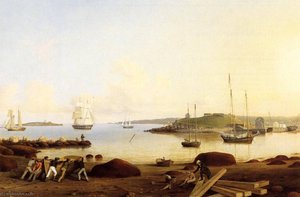
- "The Fort and Ten Pound Island, Gloucester, Massachusetts" (1847) - zeigt eine detaillierte Darstellung lokaler Wahrzeichen.
- “Lumber Schooners at Evening on Penobscot Bay” (1860) – demonstriert seine Fähigkeit, dramatische Lichtverhältnisse darzustellen.
- "Camden Mountains from the South Entrance to the Harbor" (1859) - fängt eine malerische Küstenlandschaft mit auffälliger Klarheit ein.
- “Merchant Brig under Reefed Topsails” (1863)
- “Light House at Camden, Maine” (1851)
- “The Westen Shore with Norman’s Woe” (1862)
Vermächtnis und historische Bedeutung
Lanes Werk erlangte zu Lebzeiten Anerkennung, obwohl sein Ruf im 20. und 21. Jahrhundert deutlich gewachsen ist. Er gilt heute als einer der wichtigsten amerikanischen Luministenmaler und wird für seine einzigartige Fähigkeit gefeiert, die Schönheit und Ruhe der Küstenlandschaften Neuenglands einzufangen. Lanes Gemälde bieten eine wertvolle historische Aufzeichnung des Schiffslebens im 19. Jahrhundert in Gloucester und anderen Küstengemeinden. Seine sorgfältige Detailgenauigkeit und die meisterhafte Verwendung von Licht inspirieren weiterhin Künstler und fesseln das Publikum, was seine Position als bedeutende Figur in der amerikanischen Kunstgeschichte festigt.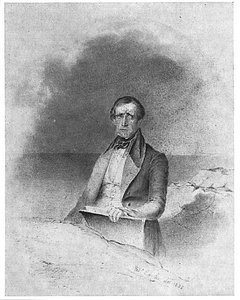
Fitz Henry Lane
1804 - 1865 , Vereinigte Staaten von Amerika
Kurzinfos
- Bemerkenswerte Werke:
- Entrance to Somes Sound
- The Fort and Ten Pound Island
- Lumber Schooners at Evening
- Camden Mountains from the South
- Merchant Brig under Reefed Topsails
- Light House at Camden, Maine
- The Westen Shore with Norman's Woe
- Einflüsse: ['Robert Salmon']
- Geburtsdatum: 19. Dezember 1804
- Geburtsort: Gloucester, Vereinigte Staaten
- Künstlerische Richtung: Luminismus
- Nationalität: Amerikanisch
- Sterbedatum: 14. August 1865
- Vollständiger Name: Fitz Henry Lane (Nathaniel Rogers)
Ähnliche Artikel
Fitz Henry Lane: Luminosity, Landscape & the American Maritime Tradition – A Collector’s Insight
Explore the luminous world of Fitz Henry Lane, a master of American maritime painting & Luminism. Discover his legacy, techniques, and investment potential for discerning art collectors. Expert insights at ArtsDot.
Henri Matisse: Die 25 Meisterwerke des Farbgenies – Kunst für Ihr Zuhause | ArtsDot
Entdecken Sie die 25 Meisterwerke von Henri Matisse! Tauchen Sie ein in die Welt des Fauvismus, der leuchtenden Farben und ikonischen Formen. Kunstreproduktionen & Inspiration für Ihr Zuhause – exklusiv auf ArtsDot.com.
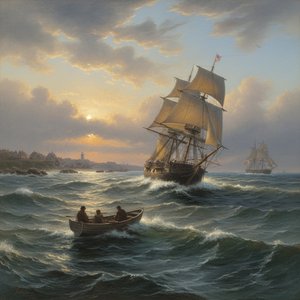
Robert W. Salmon: Licht und Atmosphäre der amerikanischen Seemalerei – Eine Studie zum Ursprung des Luminismus
Entdecken Sie die faszinierende Welt des amerikanischen Luminismus! Erfahren Sie mehr über Robert W. Salmon und die Meister der Lichtmalerei. Kunstgeschichte, Museen & hochwertige Reproduktionen auf ArtsDot.
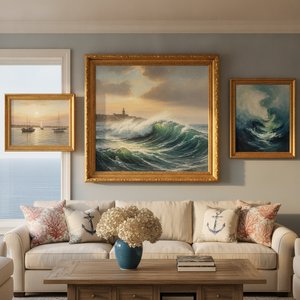
Bring the Ocean Home: Captivating Maritime Paintings to Transform Your Space with Timeless Elegance
Transform your home with breathtaking maritime oil paintings. From serene seascapes to dramatic nautical scenes, discover hand-painted reproductions that bring the ocean's soul to your space. Expertly crafted for collectors seeking timeless elegance and coastal tranquility.
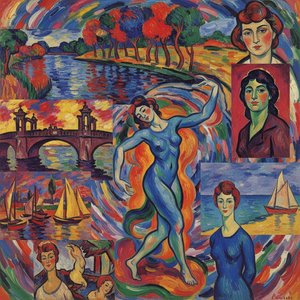
Fauvismus: Die 10 Meisterwerke, die eine Revolution der Farbe auslösten | ArtsDot
Entdecken Sie die 10 Meisterwerke des Fauvismus! Von Matisse bis Derain – erleben Sie die Revolution der Farbe und Emotion. Hochwertige Kunstdrucke & Reproduktionen auf ArtsDot.com. Jetzt Kunst für Ihr Zuhause finden!