 Vorschau anzeigen
 Versenden
 Teilen
 Details anzeigen

 Herunterladen
 Ähnliche Objekte
 Röntgenaufnahme
 Diashow
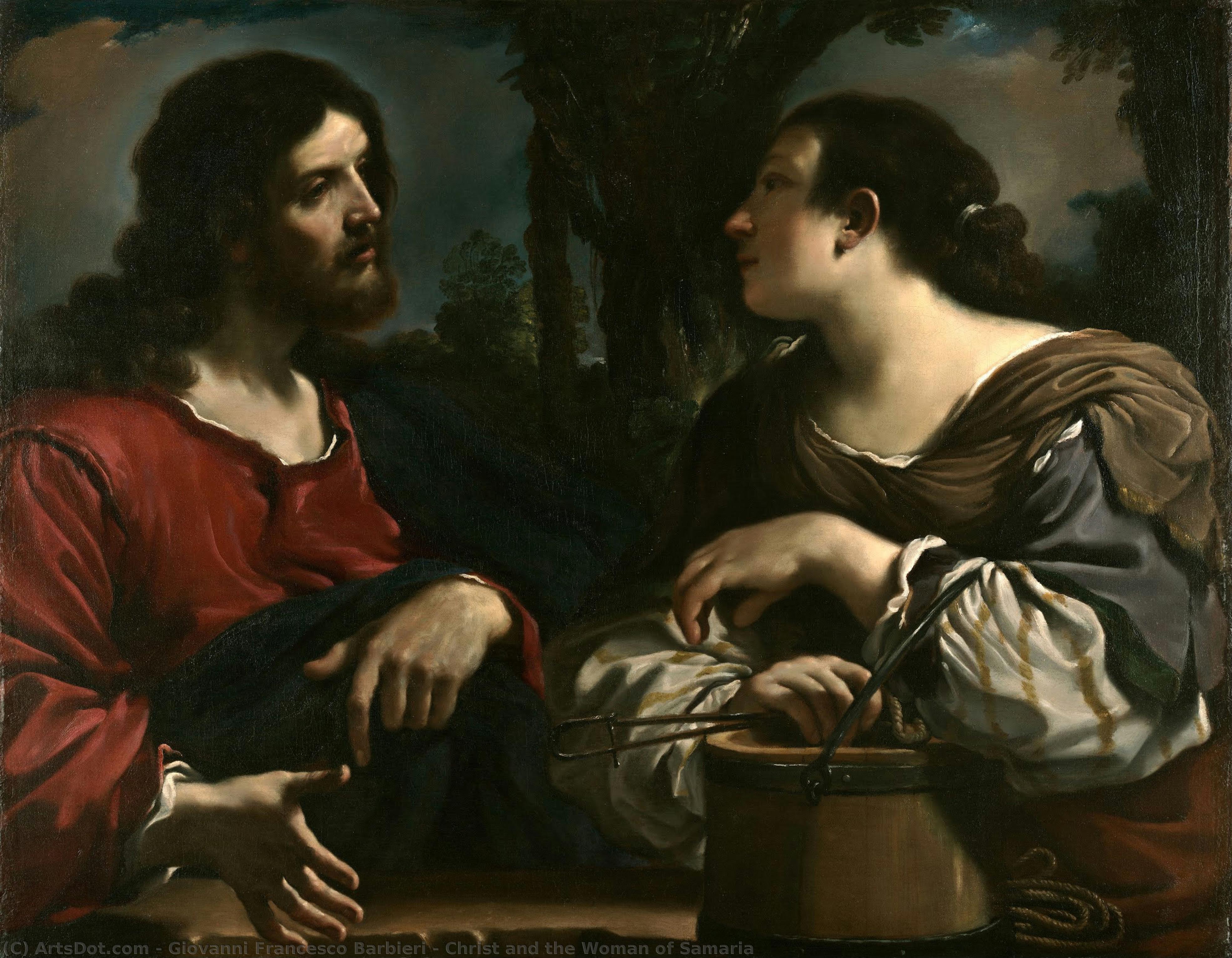
Christ and the Woman of Samaria
 Oil On Canvas
- WallArt
- Baroque Dramatic Emotion
 1619
1619 97.0 x 124.0 cm
 Kimbell Art Museum
 Weiterlesen
Handgefertigte Ölreproduktion
Handgemaltes Ölgemälde auf Leinwand in Ihrer Wunschgröße und mit Rahmen, auf Bestellung von unseren Künstlern angefertigt. ( Druck bestellen Bild kaufen)




P118B $10

P118H $10

P118W $10

P438Z $10

P508JH $12

P508YH $12

P805H $10

P805Z $10

P919BZ $10

P919G $10

P919XJ $10

P959ZH $10

P968JZ $12

W106C $8

W218G $10

W218JH $8

W218Y $10

W307PJ $10

W316G $10

W316PJ $8

W316Y $10

W398PJ $8

W4111J $10

W500HY $15

W500JH $15

W692G $12

W849H $8

W940BG $15

W953PJ $8




Wählen Sie aus unseren vordefinierten Formaten, die den ursprünglichen Proportionen des Kunstwerks entsprechen.

Sie können Ihre eigenen Maße eingeben, um einen bestimmten Rahmen oder Platz auszufüllen. Wenn die gewählte Größe nicht den Proportionen des Originalbildes entspricht, werden wir das Kunstwerk entweder beschneiden oder das Gemälde durch zusätzliche, handgemalte Elemente erweitern. Ein digitales Mockup wird Ihnen zur Genehmigung zugesandt, bevor die Produktion beginnt.
Bitte beachten Sie, dass die Bildschirmvorschau nicht die tatsächliche Beschneidung oder Erweiterung widerspiegelt. Nur das Mockup zeigt die endgültige Komposition exakt an.
Obwohl Sondermaße verfügbar sind, empfehlen wir, eine Größe aus der vordefinierten Liste zu wählen, um die ursprünglichen Proportionen beizubehalten.
Nach der Bestellung wird das ArtsDot.com-Team dem Kunden Anweisungen per E-Mail zusenden und eine Mockup-Vorschau bereitstellen.
Weltweiter Versand () in nur 3 bis 4 Wochen statt der üblichen 5 Wochen. (20 August). Keine Kompromisse bei der Qualität.

Kostenloser weltweiter Expressversand

Hochwertige Leinenleinwand

Umfassender Versicherungsschutz beim Versand

Zollgebühren-Rückerstattungsgarantie

Garantie für exakte Farbtreue

60 Tage Rückgaberecht (nur bei Mängeln)

100% Geld-zurück-Garantie

Mengenrabatt verfügbar
 Die Glasoption ist nur für Größen unter 110 cm verfügbar.

Christ and the Woman of Samaria
Art der Reproduktion
Format der Reproduktion
-


Gesamtpreis
$ 263
Beschreibung des Kunstwerks
A Moment of Revelation: Guercino’s “Christ and the Woman of Samaria”
- Subject: This captivating painting depicts a pivotal moment from the Gospel of John – Jesus Christ engaging in a profound conversation with a Samaritan woman at Jacob's Well. The scene unfolds with remarkable intimacy, capturing the essence of spiritual revelation and the offering of eternal life.
- Artist: Created by the masterful Guercino (1591-1666), a pivotal figure bridging Mannerism and Baroque styles, this work exemplifies his signature approach to religious painting: emotionally charged compositions, meticulously rendered figures, and a dramatic use of light and shadow.
- Date: Painted in 1619, during the artist’s most intensely productive and arguably finest period, the canvas offers a rare glimpse into Guercino's artistic evolution – a time when his influence was rapidly ascending within the Italian art world.
The Painter’s Vision: Style and Technique
Guercino’s style is immediately recognizable for its powerful emotional intensity, achieved through a masterful manipulation of chiaroscuro—the dramatic contrast between light and dark. He eschewed the idealized forms favored by some of his contemporaries, opting instead for a strikingly realistic portrayal of human figures, imbued with palpable feeling. Notice the careful attention to detail in the woman’s expression – a mixture of curiosity, confusion, and nascent understanding as she grapples with Christ's enigmatic words. The artist’s use of color is equally significant; rich, saturated hues contribute to the painting’s dramatic effect, drawing the viewer’s eye to key elements within the composition.
The technique employed reflects Guercino’s meticulous approach. He utilized a layered glazing method, building up colors gradually to achieve depth and luminosity. His draftsmanship is evident in the precise rendering of the figures' anatomy and the intricate details of their clothing. The artist’s skill is further demonstrated by his ability to create a convincing sense of space – the well, the surrounding landscape, and the figures themselves are rendered with remarkable clarity.
Historical Context and Symbolism
Created in 1619, this painting reflects the religious fervor and intellectual currents of its time. Guercino’s patronage came from influential Cardinals, reflecting the significant role of the Church in commissioning art during the early 17th century. The scene itself is laden with symbolism. The well represents a source of life – both physical and spiritual – while Christ's offer of “living water” signifies salvation and eternal life. The Samaritan woman, an outsider to Jesus’ Jewish community, embodies the universal appeal of his message, highlighting themes of inclusivity and redemption.
Interestingly, Guercino’s career coincided with a period of artistic innovation in Rome, where he eventually settled after leaving Cento. His time in Rome exposed him to the burgeoning Baroque style, which he skillfully integrated into his own distinctive approach, ultimately contributing to its development.
Emotional Impact and Artistic Significance
“Christ and the Woman of Samaria” transcends a simple biblical depiction; it’s a profoundly moving portrayal of human interaction and spiritual awakening. The painting's emotional power stems from Guercino’s ability to capture a moment of intense contemplation, inviting viewers to reflect on themes of faith, doubt, and redemption. This rediscovered masterpiece represents a crucial link in the chain of artistic development, showcasing Guercino’s genius at its peak – a testament to his profound understanding of human emotion and his unparalleled skill as a painter.
Ähnliche Kunstwerke
Über den Künstler
Frühes Leben und Ausbildung
Giovanni Francesco Barbieri, besser bekannt als Il Guercino, wurde 1591 in Cento, nahe Ferrara, geboren. Seine künstlerische Reise begann unter der Anleitung von Ludovico Carracci, einem renommierten Bologneser Maler. Diese Lehrzeit legte den Grundstein für Guercinos späteren Erfolg.Künstlerischer Stil und Bekannte Werke
Guercinos Stil ist gekennzeichnet durch dramatische Beleuchtung, intensive Emotionen und eine Mischung aus Realismus und Idealismus – Kennzeichen der Barockperiode. Zu seinen bemerkenswertesten Werken zählen:- Ammon und Tamar (Öl auf Leinwand, Barock) – eine ergreifende Darstellung der biblischen Geschichte.
- Die Rückkehr des verlorenen Sohnes (Öl auf Leinwand, Barock) – eine kraftvolle Darstellung von Reue und Vergebung.
- Die Berufung des Heiligen Aloisius (Luigi) Gonzaga (Öl auf Leinwand, Barock) – ein Meisterwerk, das Guercinos Geschick in der Darstellung religiöser Erzählungen demonstriert.
Entwicklung und Einflüsse
Guercino entwickelte seinen Stil im Laufe seines Lebens weiter. Anfänglich beeinflusst von Domenichino und Guido Reni, wandte er sich später einem klassizierenden Idiom zu, das durch die kurze Amtszeit von Papst Gregor XV in Rom verstärkt wurde. Sein frühes Werk zeichnete sich durch einen Naturalismus aus, der sich allmählich zu einer leichteren Palette und einem blauen Himmel im Hintergrund wandelte – eine Reaktion auf Beschwerden von Auftraggebern über die Schattenrisse in seinen Figuren. Benedetto Gennari der Jüngere war ein wichtiger Schüler Guercinos.Bedeutung und Vermächtnis
Guercinos Einfluss auf die Barockmalerei ist unbestreitbar. Seine dramatische Verwendung von Licht und Schatten, gepaart mit seiner Fähigkeit, kraftvolle Emotionen hervorzurufen, hat Generationen von Künstlern inspiriert. Guercino gilt als eine bedeutende Figur der italienischen Kunst, und sein Vermächtnis wird durch seine Werke fortgesetzt, die heute Teil der renommiertesten Museumsbestände weltweit sind. Museen wie das Palazzo Brignole-Sale in Italien tragen zur Bewahrung seines künstlerischen Erbes bei.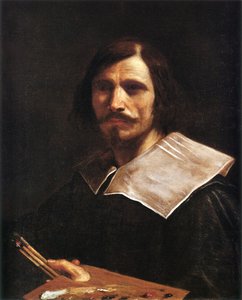
Guercino
1591 - 1666 , Italien
Kurzinfos
- Beeinflusste Künstler: ['Benedetto Gennari der Jüngere']
- Bemerkenswerte Werke:
- Ammon und Tamar
- Die Rückkehr des verlorenen Sohnes
- Die Berufung des Heiligen Aloysius
- Einflussreiche Künstler: ['Ludovico Carracci']
- Geburtsdatum: 8. Februar 1591
- Geburtsort: Cento, Italien
- Künstlerische Bewegung: Barock
- Nationalität: Italiener
- Spitzname: Il Guercino
- Sterbedatum: 22. Dezember 1666
- Vollständiger Name: Giovanni Francesco Barbieri
Ähnliche Artikel
Guercino: Ein Barockmeister zwischen Caravaggismus und Klassizismus – Innovation und emotionale Tiefe
Entdecken Sie Guercinos revolutionäre Barockmalerei! Analysieren Sie seine einzigartige Verbindung von Caravaggismus und Klassizismus, innovative Techniken & emotionale Tiefe. Kunsthistorische Expertise für Sammler & Liebhaber.

The Dramatic Flourish: Exploring the Baroque Movement's Enduring Legacy in Art History
Explore the dramatic world of Baroque art! Discover iconic artists like Caravaggio & Rubens, defining techniques, and its lasting impact on art history. Expert insights for collectors & enthusiasts at ArtsDot.

The Visceral Stage: Exploring Dramatic Narratives & Emotional Intensity in Baroque Art
Explore the dramatic world of Baroque art! Discover iconic masters like Caravaggio & Rembrandt, their techniques, and the movement's lasting impact. Expert insights for collectors & enthusiasts at ArtsDot.

Barock Meisterwerke: Die 10 prägendsten Kunstwerke für Ihr Zuhause |
Entdecken Sie die 10 prägendsten Meisterwerke des Barock! Caravaggio, Rembrandt & Co. – Erfahren Sie die Geschichten hinter ikonischen Gemälde und finden Sie hochwertige Kunst Reproduktionen für Ihr Zuhause auf .

Barocke Pracht: Wie Sie Opulenz und Emotionen in zeitgenössische Innenräume bringen
Entdecken Sie die Pracht des Barock! Expertenratgeber für luxuriöse Innenräume mit barocken Elementen. Inspiration, Tipps & hochwertige Kunst bei .