

 Vorschau anzeigen
 Druck bestellen
 Versenden
 Teilen


 Herunterladen
 Ähnliche Objekte
 Röntgenaufnahme
 Diashow
Village in Bavaria


Village in Bavaria – A Window into Expressionism
Alexej von Jawlensky’s “Village in Bavaria” is more than just a depiction of a rural scene; it's a raw, intensely felt distillation of emotion and experience, a cornerstone of the early 20th-century Expressionist movement. Painted in 1907, this artwork transports us to a seemingly tranquil Bavarian village, yet beneath the surface lies a palpable energy, a yearning, and a profound connection to the land – qualities that define Jawlensky’s unique artistic vision.
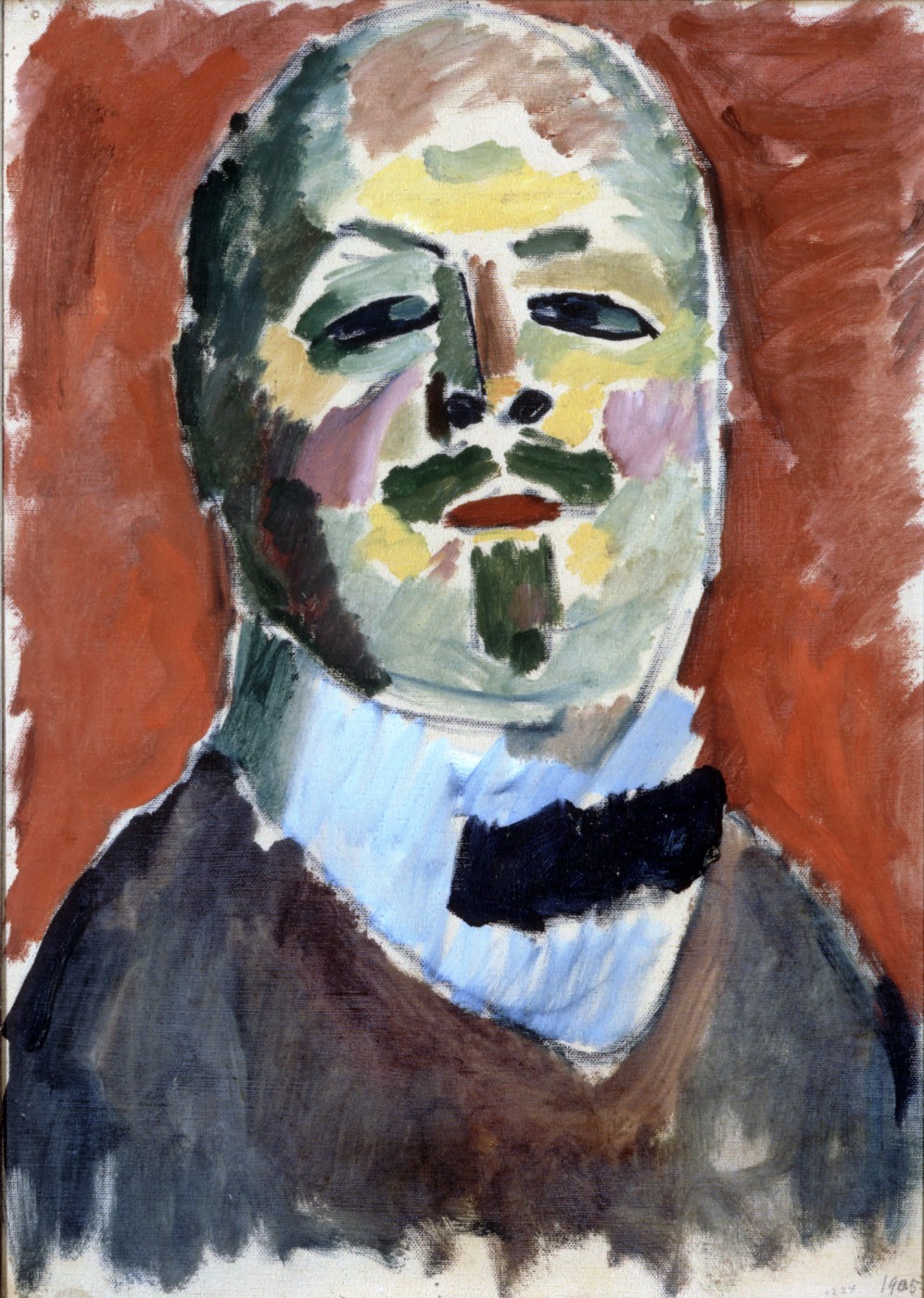
The painting immediately captivates with its bold, almost violent brushstrokes and a palette of vibrant, deliberately unmixed colors. Jawlensky eschewed traditional representational accuracy, instead prioritizing the expression of feeling. The composition is dominated by the church steeple, a powerful vertical element that draws the eye upwards, symbolizing faith or perhaps aspiration against the vastness of the landscape. Surrounding it is a field of grass, rendered with thick impasto – layers of paint built up to create a tactile, almost sculptural surface – conveying both the immediacy of nature and the artist’s physical engagement with his work.
Expressionism and Jawlensky's Vision
Jawlensky was deeply influenced by the Expressionist movement, which sought to convey subjective emotions rather than objective reality. His work reflects a desire to tap into primal feelings – loneliness, spirituality, and connection to the earth. Unlike many of his contemporaries who embraced abstraction, Jawlensky retained a recognizable subject matter—a village—but transformed it through intense color and expressive brushwork. This approach aligns with the broader Expressionist goal of revealing inner truths through art.
The painting’s creation coincided with a period of significant artistic upheaval. The late 19th and early 20th centuries witnessed a rejection of academic conventions, fueled by anxieties about modernity, industrialization, and social change. Artists like Jawlensky responded to these concerns by exploring the darker aspects of human experience and expressing them through emotionally charged imagery.
Technique and Materials – A Masterful Approach
Jawlensky’s technique is characterized by a remarkable directness and economy of brushstrokes. He built up layers of paint, often applying it with a palette knife as well as brushes, creating a rich, textured surface that seems to vibrate with energy. The use of color is particularly striking – deep blues, ochres, and reds are juxtaposed in ways that heighten the emotional impact of the scene. The choice of cardboard as a support further emphasizes the raw, unpolished quality of the work, reflecting Jawlensky’s commitment to unfiltered expression.
The painting's dimensions are unknown, but it measures 40 x 60.5 cm and was created on cardboard. The Museum Wiesbaden in Germany houses an extensive collection of Jawlensky’s works, including over 90 paintings, offering a comprehensive view of his artistic development.
Symbolism and Emotional Resonance
"Village in Bavaria" is not simply a picturesque landscape; it's imbued with symbolic meaning. The village itself represents human settlement—a fragile presence amidst the overwhelming power of nature. The expansive fields evoke themes of isolation, vulnerability, and perhaps even spiritual yearning. Jawlensky’s deliberate use of color and composition invites viewers to contemplate these deeper questions about humanity’s place in the world.
Handmade oil paintings reproductions of “Village in Bavaria” are available at ArtsDot.com, allowing art enthusiasts to own a piece of Expressionist history and experience the emotional intensity of Jawlensky’s vision firsthand.
Alexej von Jawlensky (1864 – 1941)
Entdecken Sie Alexej von Jawlenskys kraftvollen Expressionismus! Mystische Köpfe, leuchtende Farben & Pionier der Blaue Reiter Bewegung. Russischer Künstler mit deutscher Wirkungsstätte.
Über dieses Kunstwerk
- Titel: Village in Bavaria
- Künstler: Alexej von Jawlensky
- Jahr: 1907
- Format: Landscape
- Urheberrechtlicher Status: Gemeinfreiheit
- Bewegung: Expressionism
- Technik: WallArt
- Schöpferische Phase: Early 20th Century
- Schlagworte: 1907 painting style , russian painter art , rural landscape art
- Farbton: Blue-Violet to Rose
Eckdaten
- Location: Museum Wiesbaden
- Artist: Alexej von Jawlensky
- Medium: Oil on cardboard
- Title: Village in Bavaria
- Subject or theme: Bavarian village
- Year: 1907
- Movement: Expressionism
QR-Code


