

 Vorschau anzeigen
 Druck bestellen
 Versenden
 Teilen


 Herunterladen
 Ähnliche Objekte
 Röntgenaufnahme
 Diashow
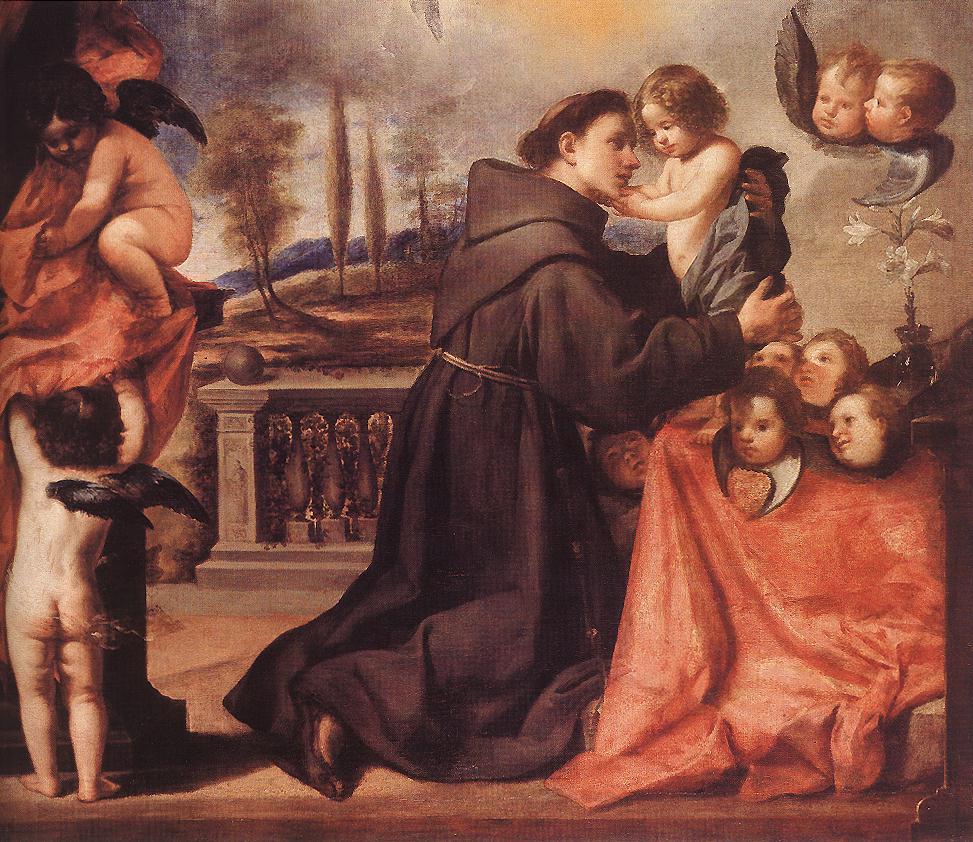
St Anthony of Padua with Christ Child (detail)


Antonio de Pereda (1611 – 1678)
Antonio de Pereda (1611-1678): Spanier Meister der Stillleben und religiösen Kunst. Entdecken Sie 'Relief von Genua' & seine dramatische Tenebrismus.
Szépművészeti Múzeum (Budapest, Ungarn)
Entdecken Sie Kunstgeschichte! Das Museum der Schönen Künste Budapest beeindruckt mit Meisterwerken aus Ägypten und Europa – ein außergewöhnliches Erlebnis für Kunstliebhaber.
The Serene Embrace: Antonio de Pereda’s St. Anthony and the Infant Christ
Antonio de Pereda's “St. Anthony of Padua with Christ Child” is more than just a devotional painting; it’s a poignant meditation on faith, charity, and the profound connection between earthly devotion and divine grace. Completed around 1635 during the height of the Spanish Baroque period, this intimate portrait captures a pivotal moment in St. Anthony's life – his early embrace of Franciscan ideals and his unwavering commitment to serving the marginalized. The painting’s power lies not just in its technical brilliance but also in the palpable sense of tenderness and spiritual depth it conveys.
A Symphony of Light and Shadow: De Pereda’s Baroque Technique
Pereda, a key figure in the Madrid school of painting, masterfully employs the techniques characteristic of the Spanish Baroque. The composition is dominated by a rich, dark palette—deep browns, ochres, and umbers—creating an atmosphere of solemnity and reverence. Light, however, isn’t absent; it's carefully sculpted to highlight key elements: the luminous halo above the Christ Child’s head, the gentle illumination on St. Anthony’s face, and the subtle sheen on his Franciscan habit. Notice how he uses *chiaroscuro* – the dramatic contrast between light and dark – to draw the viewer’s eye directly to the central figures, imbuing them with a sense of sacredness. The brushwork is remarkably detailed yet retains an underlying fluidity, reflecting Pereda's ability to capture both texture and emotion.
- Oil on Canvas: The medium itself contributes to the painting’s depth and richness.
- Detailed Realism: Notice the meticulous rendering of fabric folds and facial features.
- Dramatic Lighting: The masterful use of light creates a powerful emotional impact.
Symbolism Woven into the Scene
Beyond the straightforward depiction of St. Anthony cradling the infant Christ, the painting is laden with symbolic meaning. The presence of the Christ Child immediately evokes themes of innocence, redemption, and divine love. St. Anthony’s posture—kneeling in humble adoration—underscores his dedication to service and his role as a compassionate shepherd of souls. The small vase of lilies at the base of the composition is a traditional symbol of purity and virginity, further emphasizing the sanctity of the scene. The background, though somewhat indistinct, hints at a simple, rural setting – reflecting St. Anthony’s early life and connection to the common people.
A Legacy of Devotion: Pereda's Place in Art History
Antonio de Pereda stands as a significant figure within the Spanish Baroque, renowned primarily for his still lifes but also producing works of considerable spiritual depth. His “St. Anthony of Padua with Christ Child” exemplifies this duality—a testament to both artistic skill and profound religious conviction. The painting’s enduring appeal lies in its ability to resonate with viewers across centuries, offering a glimpse into the heart of faith and the transformative power of compassion. Reproductions of this masterpiece continue to grace homes and churches worldwide, serving as reminders of St. Anthony's legacy and the timeless beauty of spiritual devotion.
Über dieses Kunstwerk
- Titel: St Anthony of Padua with Christ Child (detail)
- Künstler: Antonio de Pereda
- Format: Portrait
- Urheberrechtlicher Status: Gemeinfreiheit
- Ausstellung/Standort: Szépművészeti Múzeum
- Technik: WallArt
- Schöpferische Phase: Mature Period
- Kontext des Korpus: baroque italian painting influence , pereda’s still life mastery”
- Hauptfarbe: Espresso
- Verwendungszweck: Statement
Eckdaten
- Subject or theme: St. Anthony & Christ Child
- Notable elements: Detail of St. Anthony
- Influences: Spanish Baroque
- Medium: Oil on canvas
- Movement: Baroque
- Location: Museum of Fine Arts, Budapest
QR-Code


