

 Vorschau anzeigen
 Druck bestellen
 Versenden
 Teilen


 Herunterladen
 Ähnliche Objekte
 Röntgenaufnahme
 Diashow
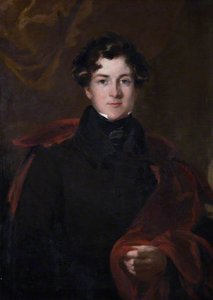
Edmund Parker (1810–1864), 2nd Earl of Morley
 Acrylic On Canvas
- WallArt
 1842
1842 112.0 x 91.0 cm
 National Trust
Henry Weigall (1829 – 1925)
Henry Weigall (1829-1925) war ein produktiver amerikanischer Künstler, bekannt für seine Porträts, insbesondere von Persönlichkeiten wie Mary Dickinson. Entdecken Sie sein Werk!
National Trust (Plymouth, Vereinigtes Königreich)
Saltram House: Ein prachtvolles Herrenhaus mit Kunstschätzen und wunderschönen Gärten. Entdecken Sie Geschichte, Architektur & Natur in Devon!
Edmund Parker (1810–1864), 2nd Earl of Morley
Henry Weigall’s portrait captures the essence of Edmund Parker, a prominent figure in British aristocratic history and a celebrated landscape painter. Executed circa 1842, this artwork exemplifies Academic painting's meticulous attention to detail and its commitment to portraying subjects with dignity and gravitas.
Subject Matter & Composition
The portrait depicts Edmund Parker seated formally, gazing directly at the viewer. His posture conveys confidence and composure, reflecting his status as a nobleman and artist alike. The composition is balanced and symmetrical, emphasizing Parker’s presence within a carefully constructed frame. Subtle shading techniques contribute to creating depth and highlighting key features of his face.
Style & Technique
Weigall employed a realistic style characteristic of Academic painting—a dominant movement during the Victorian era—focusing on capturing accurate anatomical proportions and subtle tonal variations. The artist skillfully utilized glazing techniques, applying thin layers of translucent paint over underlayers to achieve luminous effects and enhance color saturation. Brushstrokes are smooth and controlled, demonstrating mastery of technique and conveying a sense of refined artistry.
Historical Context
Painted during the reign of Queen Victoria (1837–1901), this portrait reflects the values and aspirations of the Victorian aristocracy. Edmund Parker was a respected member of society known for his contributions to landscape painting, particularly his depictions of Dartmoor National Park—a region celebrated for its dramatic scenery and folklore.
Symbolism & Emotional Impact
The subdued lighting and somber palette evoke a mood of quiet contemplation and solemn reflection. Parker’s gaze directs the viewer's attention inward, inviting introspection and conveying a sense of inner strength. The portrait serves as a testament to Parker’s enduring legacy as both an artist and a nobleman—a figure who embodied Victorian ideals of intellectuality, refinement, and artistic excellence.
Provenance & Significance
Currently housed in the National Trust collection, this artwork offers valuable insight into the artistic conventions and social customs of the Victorian period. It stands as a remarkable example of Academic portraiture, showcasing Weigall’s exceptional skill and contributing to the preservation of British art history.
Über dieses Kunstwerk
- Titel: Edmund Parker (1810–1864), 2nd Earl of Morley
- Künstler: Henry Weigall
- Jahr: 1842
- Originalmaße: 112.0 x 91.0 cm
- Format: Portrait
- Urheberrechtlicher Status: Gemeinfreiheit
- Ausstellung/Standort: National Trust
- Medium: Acrylic On Canvas
- Schöpferische Phase: Mature Period
- Kontext des Korpus: formal style , victorian society
Eckdaten
- Title: Edmund Parker (1810–1864)
- Influences: Academic Painting
- Dimensions: 112 x 91 cm
- Artist: Henry Weigall
- Subject: Portrait
- Year: 1842
- Artistic Style: Formal Portrait
QR-Code


