

 Vorschau anzeigen
 Druck bestellen
 Versenden
 Teilen


 Herunterladen
 Ähnliche Objekte
 Röntgenaufnahme
 Diashow
Louis XVI, King of France
 Neoclassicism
 1790
1790 98.0 x 73.0 cm
 Schloss Versailles
A Portrait of Power and Enlightenment
Jean-Antoine Houdon’s marble bust of Louis XVI, crafted in 1790, transcends the simple depiction of a royal portrait. It is a profound meditation on power, intellect, and the burgeoning ideals of the Age of Enlightenment—a moment suspended between the waning grandeur of the French monarchy and the revolutionary fervor that would soon engulf the nation. The sculpture isn’t merely a likeness; it's an attempt to capture the very essence of the king, his thoughtful gaze hinting at both the weight of responsibility and a quiet dignity.
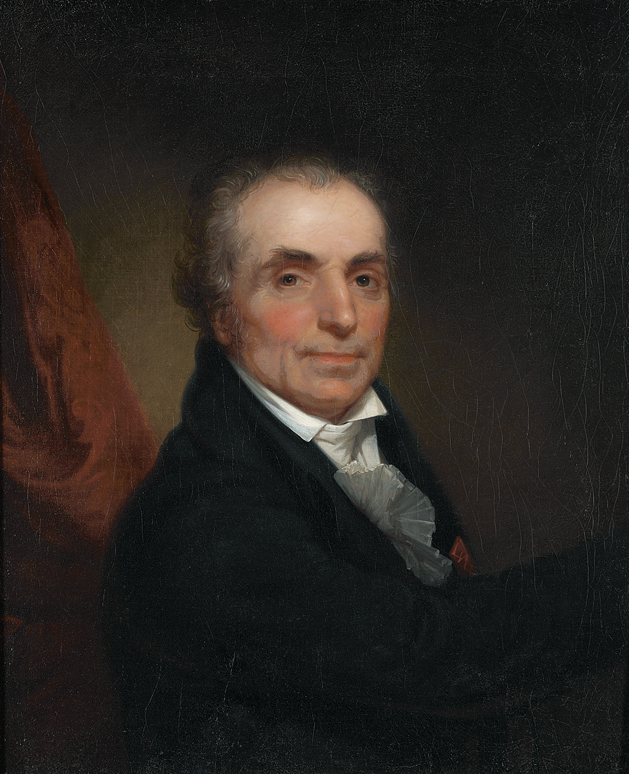
(Image: Jean-Antoine Houdon’s Bust of Louis XVI)
The Sculptor’s Vision: Neoclassicism and Psychological Depth
Houdon, a pivotal figure bridging the Rococo and Neoclassical eras, approached this commission with a revolutionary philosophy. Unlike the ornate, emotionally charged sculptures of his predecessors, Houdon sought to emulate the clarity and restraint of ancient Greek and Roman art. This is evident in the bust’s meticulously rendered features—the precise lines of the face, the subtly modeled musculature beneath the skin, and the carefully sculpted folds of his attire. However, Houdon didn't simply replicate classical forms; he infused them with a distinctly modern sensibility.
Crucially, Houdon pioneered a technique that went far beyond mere likeness. He employed a method of working directly from life, taking multiple plaster casts and studying them intensely before transferring the image to marble. This allowed him to capture not just the outward appearance but also the subtle nuances of Louis XVI’s personality—his intelligence, his contemplative nature, and perhaps even a hint of melancholy. The result is a portrait that feels remarkably alive, as if the king himself might step out from the stone.
Materials and Technique: A Testament to Craftsmanship
The bust is executed in Carrara marble, renowned for its purity of color and exceptional workability. Houdon’s mastery of this medium is breathtakingly evident in the surface texture—a subtle interplay of smoothness and delicate veining that creates a sense of depth and luminosity. The application of gold leaf to the drapery and details further enhances the sculpture's richness and opulence, reflecting the lavish tastes of the French court. The meticulous detail extends to the choice of materials; the use of polished marble for the background elements contributes to the overall impression of grandeur and formality.
Historical Context: A King at a Crossroads
Louis XVI’s reign coincided with a period of profound social and political upheaval in France. The Enlightenment had challenged traditional hierarchies, advocating for reason, liberty, and equality. The king, though well-intentioned, struggled to adapt to these changing times, often clinging to the vestiges of absolute monarchy. This sculpture captures him at a critical juncture—a man attempting to navigate the turbulent currents of his era while upholding the traditions of his lineage. The bust was created shortly before the outbreak of the French Revolution, making it a poignant reflection on the fate of a dynasty and a nation.
Symbolism and Legacy
The pose itself is significant—Louis XVI stands in a relaxed yet dignified manner, suggesting both authority and accessibility. His hands are clasped loosely before him, conveying a sense of thoughtfulness and deliberation. The bust’s enduring appeal lies not only in its technical brilliance but also in its ability to evoke a powerful emotional response. It serves as a reminder of the complexities of leadership, the challenges of navigating change, and the lasting legacy of one of France's most controversial monarchs. Reproductions of this iconic work continue to captivate art lovers today, offering a glimpse into a pivotal moment in European history.
Jean-Antoine Houdon (1741 – 1828)
Entdecken Sie Jean-Antoine Houdon (1741-1828), den Meister des französischen Neoklassizismus! Bewundern Sie seine ikonischen Büsten von Aufklärungsfiguren wie Washington & Franklin.
Schloss Versailles (Versailles, Frankreich)
Erleben Sie das Prunkstück Frankreichs! Schloss Versailles: Geschichte, Kunst & Gärten. Ein faszinierender Einblick in die französische Monarchie.
Über dieses Kunstwerk
- Titel: Louis XVI, King of France
- Künstler: Jean-Antoine Houdon
- Jahr: 1790
- Originalmaße: 98.0 x 73.0 cm
- Format: Landscape
- Urheberrechtlicher Status: Gemeinfreiheit
- Ausstellung/Standort: Schloss Versailles
- Schöpferische Phase: Mature Period
- Verwendungszweck: Statement
- Schlagworte: louis xvi bust , elegant bust design , king louis xvi
Eckdaten
- Movement: Neoclassicism
- Title: Louis XVI, King of France
- Subject or theme: Royal Portraiture
- Medium: Marble
- Year: 1790
- Artistic style: Classical, Portrait
- Influences:
- Houdon
- Rousseau
QR-Code


