 Vorschau anzeigen
 Versenden
 Teilen
 Details anzeigen

 Herunterladen
 Ähnliche Objekte
 Röntgenaufnahme
 Diashow
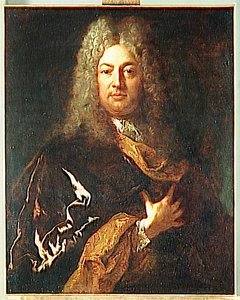
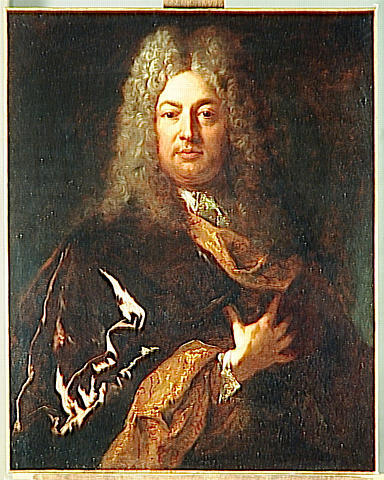
MÄNNERPORTRAIT


 Weiterlesen
Handgefertigte Ölreproduktion
Handgemaltes Ölgemälde auf Leinwand in Ihrer Wunschgröße und mit Rahmen, auf Bestellung von unseren Künstlern angefertigt. ( Druck bestellen Bild kaufen)




P118B $10

P118H $10

P118W $10

P438Z $10

P508JH $12

P508YH $12

P805H $10

P805Z $10

P919BZ $10

P919G $10

P919XJ $10

P959ZH $10

P968JZ $12

W106C $8

W218G $10

W218JH $8

W218Y $10

W307PJ $10

W316G $10

W316PJ $8

W316Y $10

W398PJ $8

W4111J $10

W500HY $15

W500JH $15

W692G $12

W849H $8

W940BG $15

W953PJ $8




Wählen Sie aus unseren vordefinierten Formaten, die den ursprünglichen Proportionen des Kunstwerks entsprechen.

Sie können Ihre eigenen Maße eingeben, um einen bestimmten Rahmen oder Platz auszufüllen. Wenn die gewählte Größe nicht den Proportionen des Originalbildes entspricht, werden wir das Kunstwerk entweder beschneiden oder das Gemälde durch zusätzliche, handgemalte Elemente erweitern. Ein digitales Mockup wird Ihnen zur Genehmigung zugesandt, bevor die Produktion beginnt.
Bitte beachten Sie, dass die Bildschirmvorschau nicht die tatsächliche Beschneidung oder Erweiterung widerspiegelt. Nur das Mockup zeigt die endgültige Komposition exakt an.
Obwohl Sondermaße verfügbar sind, empfehlen wir, eine Größe aus der vordefinierten Liste zu wählen, um die ursprünglichen Proportionen beizubehalten.
Nach der Bestellung wird das ArtsDot.com-Team dem Kunden Anweisungen per E-Mail zusenden und eine Mockup-Vorschau bereitstellen.
Weltweiter Versand () in nur 3 bis 4 Wochen statt der üblichen 5 Wochen. (3 September). Keine Kompromisse bei der Qualität.

Kostenloser weltweiter Expressversand

Hochwertige Leinenleinwand

Umfassender Versicherungsschutz beim Versand

Zollgebühren-Rückerstattungsgarantie

Garantie für exakte Farbtreue

60 Tage Rückgaberecht (nur bei Mängeln)

100% Geld-zurück-Garantie

Mengenrabatt verfügbar
 Die Glasoption ist nur für Größen unter 110 cm verfügbar.

MÄNNERPORTRAIT
Art der Reproduktion
Format der Reproduktion
-


Gesamtpreis
$ 263
Jean-François de Troy: A Master of Baroque Elegance
Jean-François de Troy (1645–1730) stands as a pivotal figure in the artistic landscape of late 17th and early 18th century France, bridging the opulent grandeur of the Baroque era with the burgeoning sensibilities of the Rococo style. His legacy resides primarily in his remarkable portraits—particularly those commissioned by European royalty—where he achieved an unparalleled level of realism combined with a profound understanding of psychological nuance.
The Artist's Origins and Influences
Born into a family steeped in artistic tradition in Toulouse, France, Troy’s formative years were shaped by the presence of his father, Antoine de Troy, a painter who instilled within him a meticulous technique and an appreciation for capturing both physical likeness and the inner character of his subjects. This early exposure extended beyond familial guidance; Troy diligently studied under Claude Lefèbvre and Nicolas-Pierre Loir in Paris, absorbing the stylistic innovations that would define his artistic trajectory.
A Portraitist's Signature Style: Baroque Precision Meets Rococo Grace
Troy’s distinctive style embodies a harmonious blend of Baroque precision and Rococo grace. Like many artists of his time, he adhered to classical principles of composition—centering the figure against a subdued background—yet infused his canvases with subtle decorative elements characteristic of the Rococo movement. The artist skillfully employed chiaroscuro, manipulating light and shadow to sculpt form and heighten dramatic effect, mirroring techniques prevalent in Baroque painting.
Detailed Analysis: Composition & Technique
- Composition: Troy’s portraits are meticulously balanced, with the subject positioned slightly off-center—a deliberate choice that creates dynamism within the frame. The gaze of the sitter directs towards the viewer, establishing a powerful connection and conveying confidence. Drapery is strategically draped to add visual interest and texture, enhancing the overall aesthetic appeal.
- Technique: Primarily utilizing oil paint on canvas, Troy achieved remarkable realism through layering colors and blending brushstrokes with painstaking precision. Glazes were skillfully applied to imbue depth and luminosity into the skin tones and fabrics—a hallmark of Baroque artistry. The artist’s meticulous attention to detail ensured that every nuance was captured accurately.
Historical Context & Artistic Influences
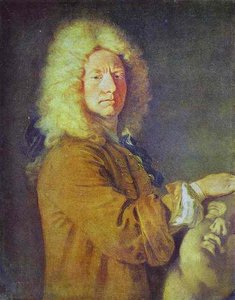
“Portrait d'homme” stands as a testament to the artistic fervor of the late 17th century, firmly rooted in the Baroque period—a movement characterized by grandeur, emotion, and dramatic ornamentation. Troy’s work reflects the prevailing stylistic trends of his time, drawing inspiration from masters like Rembrandt and Rubens. The portrait exemplifies the humanist ideals championed during this era, celebrating human dignity and intellect.
Detailed Analysis: Composition & Color Palette
The painting's composition is deliberately centered around the subject’s face—a technique common in Baroque portraits designed to convey authority and introspection. The subtle off-center placement of the figure introduces a dynamic balance, guiding the viewer’s gaze directly towards his eyes. Troy skillfully employs a warm earth tone palette dominated by browns, golds, and creams—colors that evoke warmth, richness, and sophistication. These hues are subtly modulated to create depth and dimension within the portrait.
Technique & Material Considerations
Troy’s masterful use of oil paint on canvas exemplifies Baroque artistic excellence. Layers of pigment were meticulously blended to achieve smooth transitions and realistic textures—a hallmark of the period. Glazes, translucent washes of color applied over underlying layers, further enhanced luminosity and depth, capturing the subtle nuances of light and shadow. The artist's meticulous attention to detail is evident in every brushstroke.
Historical Context & Artistic Significance
Created during the Baroque era (approximately 1670-1730), “Portrait d’homme” reflects the artistic sensibilities of its time—characterized by grandeur, drama, and an obsession with realism. Jean-François de Troy's work stands as a testament to the enduring legacy of European portraiture, capturing not only physical likeness but also conveying profound psychological insight. It exemplifies the stylistic conventions prevalent in aristocratic circles during Louis XIV’s reign, showcasing refined taste and artistic ambition.
- Subject Matter: The artwork depicts a male figure presented in a three-quarter pose against a dark, indistinct background—a typical compositional choice for portraits of nobility during the Baroque period.
- Style: “Portrait d’homme” adheres to the Baroque style, prioritizing dramatic lighting and meticulous detail to convey both physical appearance and inner character. Its influence can be traced back to artists like Rembrandt and Rubens.
- Technique: Executed in oil paint on canvas, the piece demonstrates a masterful blending of brushstrokes—a hallmark of Baroque painting—resulting in smooth transitions and realistic textures. Glazes were likely employed to enhance luminosity and depth.
- Historical Context: Created around 1700-1800 (XVIIIe siècle), “Portrait d’homme” reflects the opulent artistic patronage of European royalty, particularly Louis XIV in France. It embodies the grandeur and sophistication associated with the Baroque era.
- Symbolism & Emotional Impact: The man's direct gaze communicates confidence and authority—a deliberate stylistic element intended to convey prestige and social status. The elaborate wig and clothing symbolize wealth and aristocratic lineage, evoking feelings of admiration and contemplation.
- Provenance & Context The painting’s origins lie in Toulouse, France, where Jean-François de Troy honed his artistic skills under the tutelage of masters like Claude Lefebvre and Nicolas Pierre Loir. This formative period instilled within him a meticulous approach to observation and representation—a hallmark of Baroque artistry that would continue to inform his oeuvre.
- Subject Matter & Composition The central figure is presented in a three-quarter pose against a subtly textured dark background, emphasizing the face and upper torso. De Troy skillfully employs compositional balance, positioning the subject slightly off-center to create dynamism while directing the viewer’s gaze—a technique common in portraits designed to convey confidence and authority.
A Window into the Baroque Era
“Portrait d’homme,” attributed to Jean-François de Troy (1645–1730), stands as a quintessential example of Rococo portraiture—a transitional style bridging the dramatic grandeur of the Baroque and the playful elegance of its successor. Painted sometime between 1700 and 1800, this artwork captures not merely likeness but also embodies the spirit of its time: an era defined by aristocratic patronage, refined sensibilities, and a fascination with illusionistic beauty.Ähnliche Kunstwerke



Über den Künstler
Jean-François de Troy: Ein Chronist des französischen Adels
Aus einer Familie von Künstlern stammend, erblickte Jean-François de Troy im Jahr 1679 in Paris das Licht der Welt. Sein Vater, François de Troy, ein etablierter Porträtmaler, legte den Grundstein für seinen künstlerischen Werdegang. Schon früh zeigte sich Jean-François’ Begabung, die durch eine sorgfältige Ausbildung unter Claude Lefèbvre und Nicolas-Pierre Loir weiter geschliffen wurde. Diese frühen Einflüsse prägten nicht nur seine technische Fertigkeit, sondern auch sein Gespür für das Porträt – die Fähigkeit, nicht nur Äußerlichkeiten festzuhalten, sondern auch die Persönlichkeit und den Charakter seiner Modelle einzufangen. Seine Ehe mit Jeanne Cotelle, der Schwester von Loir, festigte seinen Platz im Pariser Kunstleben zusätzlich. Die ersten Jahre seiner Karriere waren geprägt von Aufträgen des Hofes, wo er sich als versierter Maler religiöser und mythologischer Szenen etablierte. Doch es war seine Fähigkeit, die Eleganz und den Stil des Adels einzufangen, die ihn wirklich berühmt machte.Vom Hofleben zur Exilkunst: Die Jahre bei Jakob II.
Der Wendepunkt in Jean-François de Troys Leben kam mit der Verbannung von König Jakob II. nach Frankreich. De Troy wurde zum offiziellen Porträtmaler des exilierten Königs ernannt, eine Position, die ihm nicht nur finanzielle Sicherheit verschaffte, sondern ihn auch mitten ins europäische politische Geschehen katapultierte. Diese Zeit war entscheidend für seine künstlerische Entwicklung, denn sie ermöglichte es ihm, ein breiteres Spektrum an Porträts zu malen und seinen Stil weiterzuentwickeln. Die Herausforderung, die Würde und den Stolz eines entthronten Königs darzustellen, forderte ihn heraus und führte zu einer neuen Tiefe in seiner Arbeit. Er schuf nicht nur Bilder, sondern auch Symbole des Widerstands und der Hoffnung für eine mögliche Rückkehr.Die bahnbrechenden ‘Tableaux de Mode’: Ein Fenster zum höfischen Leben
Jean-François de Troy wird jedoch vor allem für seine innovativen *tableaux de mode* – „Modebilder“ – in Erinnerung bleiben. Diese Werke stellten einen radikalen Bruch mit traditionellen Porträts dar. Sie waren keine statischen Abbildungen, sondern lebendige Szenen des höfischen Lebens, die das alltägliche Treiben, die Mode und die sozialen Bräuche der französischen Aristokratie festhielten. In Gemälden wie ‘Das Jagdfrühstück’ oder ‘Mittagessen mit Austern’ schuf er eine Atmosphäre von ungezwungener Eleganz und luxuriösem Genuss. Diese Bilder waren mehr als nur dekorative Elemente; sie boten einen faszinierenden Einblick in die Werte, Ambitionen und den Lebensstil der Oberschicht des 18. Jahrhunderts. De Troys meisterhafte Darstellung von Texturen – Seide, Satin, Porzellan und Silber schimmerten mit bemerkenswerter Realitätstreue – trug maßgeblich zum Erfolg dieser einzigartigen Gattung bei. Er malte nicht nur Personen, sondern ein ganzes Lebensgefühl.Vermächtnis und Einfluss: Ein Meister seines Fachs
Nach seiner Rückkehr nach Frankreich wurde Jean-François de Troy Direktor der Académie française in Rom, eine Position, die ihm ermöglichte, die nächste Generation von Künstlern zu prägen. Obwohl seine Amtszeit nicht frei von Kontroversen war, hinterließ er einen bleibenden Eindruck auf das europäische Kunstgeschehen. Er vermittelte sein Wissen und seine Techniken an zahlreiche Schüler, darunter seinen eigenen Sohn Jean-François de Troy (den Jüngeren), André Bouys und John Closterman. Sein Einfluss reichte weit über seine eigene künstlerische Produktion hinaus; er trug maßgeblich zur Entwicklung des Porträts und der Genremalerei im 18. Jahrhundert bei. Obwohl sein Leben von Höhen und Tiefen geprägt war, bleibt Jean-François de Troy ein bedeutender Vertreter der französischen Kunst – ein Chronist des Adels, dessen Werke bis heute die Faszination einer vergangenen Epoche widerspiegeln. Sein Werk bietet einen faszinierenden Einblick in die Welt des französischen Adels, der nicht nur zeigt, wie sie aussahen, sondern auch, wie sie lebten.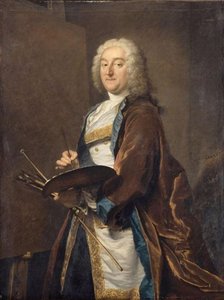
jean françois de troy
1645 - 1730 , Frankreich
Kurzinfos
- Artistic Movement Or Style: Rokoko, Barock
- Artists Or Movements Influenced By This Artist:
- André Bouys
- John Closterman
- Artists Who Influenced This Artist:
- Claude Lefèbvre
- Nicolas-Pierre Loir
- Date Of Birth: 9. Januar 1645
- Date Of Death: 1730
- Full Name: Jean-François de Troy
- Nationality: Französisch
- Notable Artworks:
- Richard Talbot, 1. Earl...
- Lady Mary Herbert als Diana
- Jules Hardouin-Mansart
- Elisabeth Jacquet de la...
- Portrait d'un couple en...
- Place Of Birth: Toulouse, Frankreich
Ähnliche Artikel

The Rococo Aesthetic: Opulence, Rebellion & the Pursuit of Pleasure in 18th-Century Art
Explore the opulent world of Rococo art! Discover its origins, key artists like Watteau & Boucher, and lasting influence on design. Expert insights for collectors & enthusiasts.

Goya: Die 25 Meisterwerke des spanischen Genies – Kunst für Ihr Zuhause | ArtsDot
Entdecken Sie die 25 Meisterwerke von Francisco Goya! Tauchen Sie ein in die düstere Romantik spanischer Malerei, Porträts & Historienbilder. Hochwertige Kunstdrucke auf ArtsDot.com – für Kunstliebhaber und stilvolles Wohnen.
From Grandeur to Grace: Exploring the Evolution of Baroque & Rococo Art
Explore the captivating evolution from Baroque's drama to Rococo's grace! Discover key artists, characteristics & lasting influence of these art movements with expert insights at ArtsDot.

Rococo Meisterwerke: Die Top 10, die eine Epoche prägten |
Entdecken Sie die Top 10 Rokoko Meisterwerke von Watteau, Boucher & Fragonard! Erfahren Sie die Geschichten hinter diesen ikonischen Gemälden und lassen Sie sich für Ihre Inneneinrichtung inspirieren. Hochwertige Kunstdrucke auf .
The Rococo Style: Aristocratic Leisure & the Pursuit of Delight in 18th-Century Art
Explore the opulent world of Rococo art! Discover Watteau, Boucher & Nattier's masterpieces. Expert insights for collectors seeking museum-quality reproductions and custom portraits at ArtsDot.