

 Vorschau anzeigen
 Versenden
 Teilen
 Details anzeigen

 Herunterladen
 Ähnliche Objekte
 Röntgenaufnahme
 Diashow
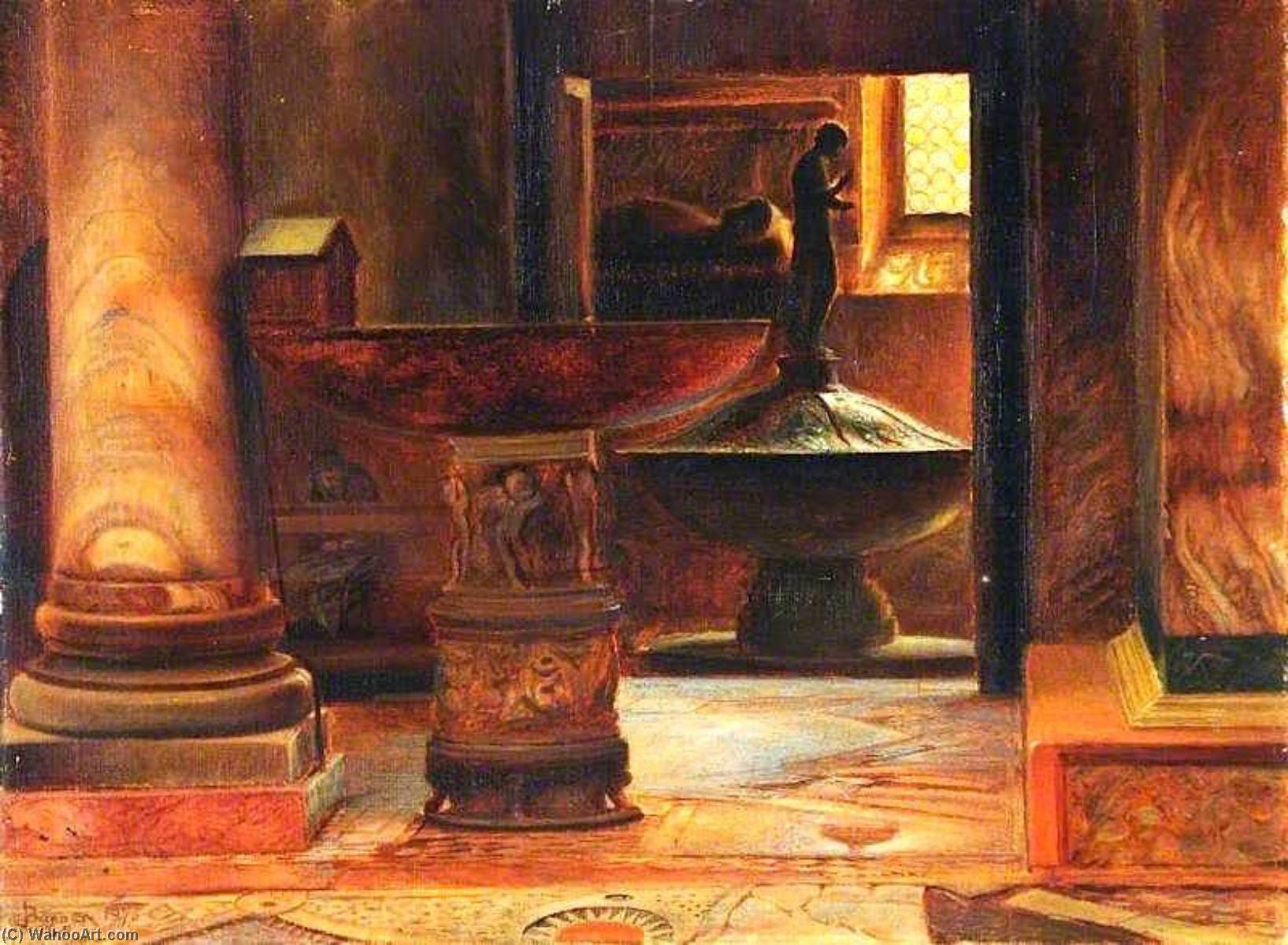
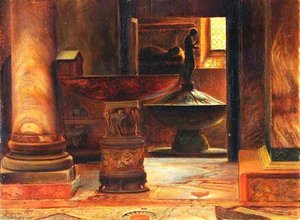
Interior of San Marco, with the Baptistery, Venice


 Weiterlesen
Handgefertigte Ölreproduktion
Handgemaltes Ölgemälde auf Leinwand in Ihrer Wunschgröße und mit Rahmen, auf Bestellung von unseren Künstlern angefertigt. ( Druck bestellen Bild kaufen)




































Wählen Sie aus unseren vordefinierten Formaten, die den ursprünglichen Proportionen des Kunstwerks entsprechen.

Sie können Ihre eigenen Maße eingeben, um einen bestimmten Rahmen oder Platz auszufüllen. Wenn die gewählte Größe nicht den Proportionen des Originalbildes entspricht, werden wir das Kunstwerk entweder beschneiden oder das Gemälde durch zusätzliche, handgemalte Elemente erweitern. Ein digitales Mockup wird Ihnen zur Genehmigung zugesandt, bevor die Produktion beginnt.
Bitte beachten Sie, dass die Bildschirmvorschau nicht die tatsächliche Beschneidung oder Erweiterung widerspiegelt. Nur das Mockup zeigt die endgültige Komposition exakt an.
Obwohl Sondermaße verfügbar sind, empfehlen wir, eine Größe aus der vordefinierten Liste zu wählen, um die ursprünglichen Proportionen beizubehalten.
Nach der Bestellung wird das ArtsDot.com-Team dem Kunden Anweisungen per E-Mail zusenden und eine Mockup-Vorschau bereitstellen.
Weltweiter Versand () in nur 3 bis 4 Wochen statt der üblichen 5 Wochen. (4 September). Keine Kompromisse bei der Qualität.

Kostenloser weltweiter Expressversand

Hochwertige Leinenleinwand

Umfassender Versicherungsschutz beim Versand

Zollgebühren-Rückerstattungsgarantie

Garantie für exakte Farbtreue

60 Tage Rückgaberecht (nur bei Mängeln)

100% Geld-zurück-Garantie

Mengenrabatt verfügbar
 Die Glasoption ist nur für Größen unter 110 cm verfügbar.

Interior of San Marco, with the Baptistery, Venice
Art der Reproduktion
Format der Reproduktion
-


Gesamtpreis
$ 263
The Artist's Vision
John Wharlton Bunney was a British artist known for his landscapes and architectural paintings. His work often featured scenes from Italy, particularly Venice, which he visited several times during his career. In "Interior of San Marco, with the Baptistery, Venice", Bunney showcases his ability to capture the intricate details and beauty of Venetian architecture.Key Elements of the Painting
The painting features a large bowl placed on top of a pedestal, situated near a window. A statue stands next to the bowl, adding an artistic touch to the scene. Other notable elements include two vases located towards the left side of the image and another one on the right side. Two books are also visible, with one placed near the center-left area and the other closer to the bottom-right corner. A person can be seen standing in the background, possibly admiring the artwork or observing the scene from a distance.- Oil on Canvas: The painting is created using oil on canvas, a technique that allows for rich colors and intricate details.
- Venetian Architecture: The painting showcases the beauty of Venetian architecture, with its intricate details and grandeur.
- Attention to Detail: Bunney's attention to detail is evident in the painting, from the statues to the books and vases.
For a deeper understanding of Venetian art and architecture, visit the Sheffield City Art Galleries or explore the painting page on ArtsDot.com.
Ähnliche Kunstwerke






Über den Künstler
John Wharlton Bunney: A Venetian Master of Detail and Ruskin’s Faithful Observer
John Wharlton Bunney (1828-1882) wasn't a name that immediately resonates through the halls of art history, yet his meticulous renderings of Venice – its grand architecture, bustling canals, and atmospheric light – represent a significant chapter in 19th-century landscape painting. Often overshadowed by the flamboyant figures of Tintoretto and Carpaccio, Bunney’s legacy lies primarily in his profound devotion to faithfully recreating their masterpieces, transforming them into exquisitely detailed copies that offer intimate glimpses into the Venetian Renaissance.
Born in England, Bunney's early life was shaped by a unique upbringing. His father, a merchant captain, took him on voyages around the world, exposing him to diverse cultures and landscapes – experiences that undoubtedly informed his artistic sensibilities. Crucially, he became deeply influenced by John Ruskin, the renowned art critic and social reformer, studying under him at the Working Men’s College in London. This connection proved pivotal; Ruskin's emphasis on truthfulness, observation, and the importance of capturing the essence of a subject profoundly shaped Bunney’s artistic approach. He wasn’t interested in merely replicating appearances but in conveying the spirit and character of what he observed.
Bunney’s career took an unexpected turn when he was commissioned by Ruskin to travel to Venice, initially as a correspondent for the Society for the Protection of Ancient Buildings. This marked a dramatic shift from his earlier work and established him firmly within the vibrant artistic milieu of the city. He quickly immersed himself in the world of Venetian painting, particularly the works of Tintoretto and Carpaccio – artists whose dynamic compositions and masterful use of light captivated him. It was Ruskin who ultimately secured Bunney’s most enduring role: that of a meticulous copyist, tasked with preserving these iconic paintings for posterity.
The Art of Replication: A Deep Dive into Bunney's Technique
Bunney’s method wasn’t simply about tracing an image; it was a deeply considered process. He spent countless hours studying the originals, meticulously analyzing their structure, color palette, and brushstrokes. Ruskin himself recognized Bunney’s dedication, stating that his work “was so faithful and careful as almost to enable the spectator to imagine himself on the spot.” This commitment extended beyond mere duplication; Bunney sought to understand *why* the original artists had made certain choices – the placement of figures, the direction of light, the emotional impact of a scene.
His copies weren’t carbon copies, however. Bunney subtly adapted his technique, employing a slightly looser brushwork and adding nuances that reflected his own artistic interpretation while remaining true to the spirit of the original. He utilized a refined layering technique, building up color gradually to achieve remarkable depth and luminosity. His attention to detail was astonishing; he captured the texture of fabrics, the reflections in water, and the subtle gradations of light with unparalleled precision. The resulting paintings are not merely reproductions but rather sophisticated interpretations that reveal a deep understanding of both the original works and Bunney’s own artistic vision.
Venetian Landscapes and Religious Scenes: A Dual Focus
While his work is most celebrated for its faithful renderings of Tintoretto and Carpaccio, Bunney also produced a substantial body of landscape paintings depicting the Venetian environs. These scenes – often capturing the city's canals, bridges, and surrounding hills – demonstrate a keen eye for composition and an ability to evoke the atmosphere of Venice. He skillfully rendered the interplay of light and shadow, creating a sense of depth and realism that is characteristic of his style.
However, Bunney’s artistic output wasn't solely confined to landscapes. He also created numerous religious scenes, often based on works by Tintoretto. These paintings showcase his ability to capture the drama and emotion inherent in biblical narratives. His depictions of saints and angels are imbued with a sense of piety and reverence, reflecting Ruskin’s influence.
A Legacy Preserved: Bunney's Influence and Enduring Appeal
John Wharlton Bunney’s contribution to art history may not be immediately apparent, but his meticulous copies of Tintoretto and Carpaccio have had a lasting impact. They provide invaluable insights into the techniques and artistic sensibilities of these two masters, allowing viewers to appreciate their works on a deeper level. Furthermore, Bunney's dedication to faithful representation serves as an example of the importance of observation and understanding in art.
His work continues to be exhibited and studied today, demonstrating its enduring appeal. The National Portrait Gallery holds one of his self-portraits, offering a glimpse into the life of this dedicated artist. And through his copies, Bunney’s legacy lives on – a testament to his skill, devotion, and profound appreciation for the beauty and complexity of Venetian art.
john wharlton bunney
1828 - 1882
Kurzinfos
- Artistic Movement Or Style: Topographical & Landscape
- Artists Or Movements Influenced By This Artist:
- Tintoretto Copies
- Carpaccio Paintings
- Artists Who Influenced This Artist: ['John Ruskin']
- Date Of Birth: June 20, 1828
- Date Of Death: September 23, 1882
- Full Name: John Wharlton Bunney
- Nationality: English
- Notable Artworks:
- Venetian Architecture
- St. Mark's Basilica
- Florence Landscapes
- Place Of Birth: England

