 Vorschau anzeigen
 Versenden
 Teilen
 Details anzeigen

 Herunterladen
 Ähnliche Objekte
 Röntgenaufnahme
 Diashow
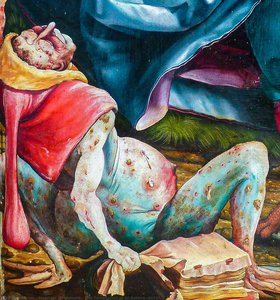
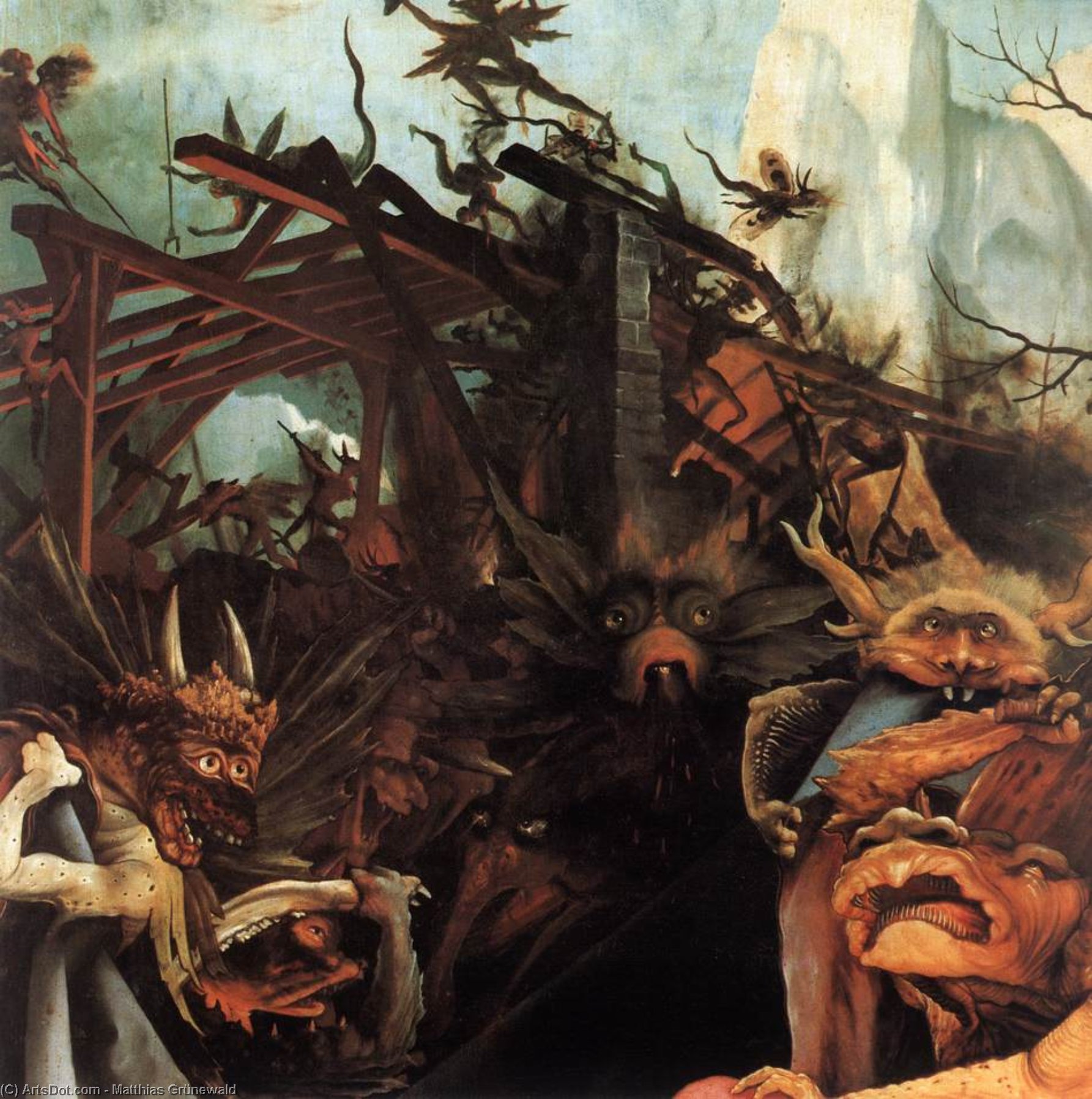
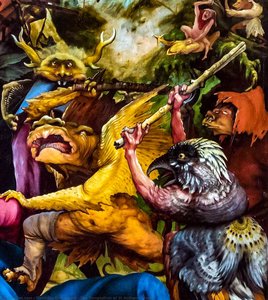
The Temptation of St Anthony (detail)


 Weiterlesen
Handgefertigte Ölreproduktion
Handgemaltes Ölgemälde auf Leinwand in Ihrer Wunschgröße und mit Rahmen, auf Bestellung von unseren Künstlern angefertigt. ( Druck bestellen Bild kaufen)




P118B $10

P118H $10

P118W $10

P438Z $10

P508JH $12

P508YH $12

P805H $10

P805Z $10

P919BZ $10

P919G $10

P919XJ $10

P959ZH $10

P968JZ $12

W106C $8

W218G $10

W218JH $8

W218Y $10

W307PJ $10

W316G $10

W316PJ $8

W316Y $10

W398PJ $8

W4111J $10

W500HY $15

W500JH $15

W692G $12

W849H $8

W940BG $15

W953PJ $8




Wählen Sie aus unseren vordefinierten Formaten, die den ursprünglichen Proportionen des Kunstwerks entsprechen.

Sie können Ihre eigenen Maße eingeben, um einen bestimmten Rahmen oder Platz auszufüllen. Wenn die gewählte Größe nicht den Proportionen des Originalbildes entspricht, werden wir das Kunstwerk entweder beschneiden oder das Gemälde durch zusätzliche, handgemalte Elemente erweitern. Ein digitales Mockup wird Ihnen zur Genehmigung zugesandt, bevor die Produktion beginnt.
Bitte beachten Sie, dass die Bildschirmvorschau nicht die tatsächliche Beschneidung oder Erweiterung widerspiegelt. Nur das Mockup zeigt die endgültige Komposition exakt an.
Obwohl Sondermaße verfügbar sind, empfehlen wir, eine Größe aus der vordefinierten Liste zu wählen, um die ursprünglichen Proportionen beizubehalten.
Nach der Bestellung wird das ArtsDot.com-Team dem Kunden Anweisungen per E-Mail zusenden und eine Mockup-Vorschau bereitstellen.
Weltweiter Versand () in nur 3 bis 4 Wochen statt der üblichen 5 Wochen. (21 August). Keine Kompromisse bei der Qualität.

Kostenloser weltweiter Expressversand

Hochwertige Leinenleinwand

Umfassender Versicherungsschutz beim Versand

Zollgebühren-Rückerstattungsgarantie

Garantie für exakte Farbtreue

60 Tage Rückgaberecht (nur bei Mängeln)

100% Geld-zurück-Garantie

Mengenrabatt verfügbar
 Die Glasoption ist nur für Größen unter 110 cm verfügbar.

The Temptation of St Anthony (detail)
Art der Reproduktion
Format der Reproduktion
-


Gesamtpreis
$ 263
Beschreibung des Kunstwerks
A Vision of Spiritual Struggle: Matthias Grünewald’s “The Temptation of St. Anthony”
Matthias Grünewald's "The Temptation of St. Anthony," painted in 1515, isn’t merely a depiction of a biblical scene; it’s a profound exploration of the human psyche wrestling with temptation and faith. Born in Würzburg around 1470-1475, Grünewald was a pivotal figure bridging the late medieval artistic traditions of Northern Europe with the burgeoning influences of the Italian Renaissance. Unlike his contemporaries who embraced humanist ideals, Grünewald remained deeply rooted in the emotional intensity and meticulous detail characteristic of his region, creating an artwork that resonates with a raw, almost visceral power.
The painting centers on St. Anthony, a hermit renowned for his asceticism and resistance to worldly temptations. Grünewald masterfully portrays this struggle not as a simple battle against external forces, but as an internal conflict waged within the confines of the saint’s own mind. The composition is deliberately complex, layering figures and creating a sense of claustrophobic depth—a visual representation of the overwhelming nature of temptation itself. Notice how Grünewald utilizes dramatic lighting, casting harsh shadows that emphasize the demonic figures and highlighting St. Anthony's solitary figure amidst the chaos.
- The Demonic Chorus: The central focus is a grotesque demon, his horns curling menacingly, tongue extended in a seductive gesture. This isn’t a straightforward villain; he embodies the myriad temptations that assail the human spirit – lust, greed, vanity—presented with unsettling realism.
- Angels and Demons Intertwined: The presence of both angels and demons creates a dynamic tension, suggesting the constant battle between good and evil within each individual. The angels, though offering guidance, are not overtly forceful; their role is to witness and acknowledge the saint’s struggle.
- Symbolic Birds: Two birds—one on the left, another towards the top right—add layers of symbolic meaning. Some scholars interpret them as representing temptation itself, while others see them as messengers or guides, reflecting the saint's journey through spiritual darkness.
A Masterclass in Late Medieval Technique
Grünewald’s artistic skill is immediately apparent in his meticulous attention to detail and his masterful use of color. He employs a rich palette—deep reds, blues, and greens—to create a dramatic atmosphere, contrasting the cool hues of St. Anthony's cell with the fiery colors of the demonic figures. The painting demonstrates a remarkable understanding of texture, particularly evident in the depiction of the demon’s skin – rough and leathery, conveying his monstrous nature. The use of *sfumato*, a technique borrowed from Renaissance artists like Albrecht Dürer, subtly blurs the edges of forms, creating an ethereal quality that enhances the sense of depth and movement.
Grünewald’s approach to perspective is also noteworthy. He utilizes atmospheric perspective—distant objects appearing paler and less distinct—to create a convincing illusion of space within the confined setting. This technique, combined with his expressive brushwork, contributes significantly to the painting's overall dynamism and emotional impact.
The Context of Faith and Human Experience
“The Temptation of St. Anthony” is rooted in the broader religious context of 16th-century Germany, a period marked by both fervent piety and growing skepticism. The story of St. Anthony served as a potent allegory for the challenges faced by individuals seeking to live a virtuous life. Grünewald’s painting captures this struggle with remarkable honesty, portraying temptation not as an external force but as an internal battle—a reflection of the human condition itself.
Furthermore, the work reflects the influence of medieval hermeticism and mysticism, which emphasized the importance of inner contemplation and spiritual purification. The setting within a ruined tower symbolizes the isolation and solitude required for such practices, while the presence of Christ in miniature suggests the ultimate source of salvation. The painting’s enduring appeal lies in its ability to resonate with viewers across centuries—a timeless meditation on faith, temptation, and the human search for meaning.
Bringing Grünewald's Vision Home: A ArtsDot Reproduction
ArtsDot is proud to offer meticulously crafted hand-painted reproductions of Matthias Grünewald’s “The Temptation of St. Anthony.” Our artists recreate the painting’s rich textures, dramatic lighting, and symbolic details with unparalleled accuracy, ensuring that you receive a stunning work of art that captures the essence of this iconic masterpiece. Whether for your grand salon or a smaller contemplative space, our reproductions provide an authentic connection to Grünewald's profound vision—a testament to the enduring power of faith and human experience.
Ähnliche Kunstwerke
Über den Künstler
Matthias Grünewald: Leben und Vermächtnis
Frühes Leben und künstlerische Anfänge
Matthias Grünewald, geboren Mathis Gothart Neithardt um 1470-1475 in Würzburg, Deutschland, war eine zentrale Figur der deutschen Renaissance. Obwohl er in einer Zeit lebte, die zunehmend von italienischen Renaissance-Idealen beeinflusst wurde, blieb Grünewald tief in den künstlerischen Traditionen des späten Mittelalters Mitteleuropas verwurzelt. Es gibt nur wenige Details über sein frühes Leben, aber es ist bekannt, dass er als Künstler ausgebildet wurde, wahrscheinlich in lokalen Werkstätten.
Künstlerische Entwicklung und Einflüsse
Grünewalds künstlerische Entwicklung wurde durch die vorherrschenden nordeuropäischen Traditionen von Realismus, emotionaler Intensität und detaillierter Beobachtung geprägt. Seine Werke zeigen Einflüsse von Künstlern wie Albrecht Dürer und Martin Schongauer, aber er schlug einen einzigartigen Weg ein, der durch dramatische Ausdruckskraft und leuchtende Farben gekennzeichnet ist. Er war nicht direkt an den humanistischen Kreisen beteiligt, die in Italien vorherrschten; stattdessen diente seine Kunst hauptsächlich religiösen Zwecken und spiegelte die spirituellen Ängste seiner Zeit wider.
Wichtige Werke und künstlerischer Stil
- Das Isenheim Altarbild (1512-1516): Dieses Meisterwerk, das im Musée d'Unterlinden in Colmar ausgestellt ist, gilt als Grünewalds Hauptwerk. Es stellt Szenen aus dem Leben Christi mit erschreckender Realität dar, insbesondere mit Schwerpunkt auf Leid und Erlösung.
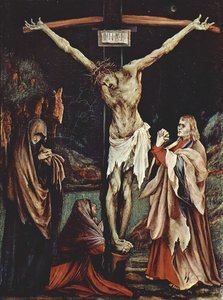
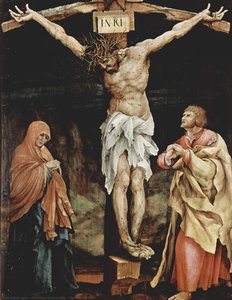
- Die Kreuzigung (ca. 1502-1503): Ein frühes Werk, das seinen sich entwickelnden Stil demonstriert und intensive Emotionen sowie anatomische Details zeigt.
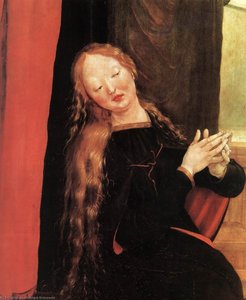
- Jungfrau der Verkündigung (1512-14): Eine Studie für das Isenheim Altarbild, die seinen sorgfältigen Planungsprozess offenbart.
- Moses (1511): Ein Zeichnung, die Grünewalds Können bei der Darstellung ausdrucksstarker Figuren und dramatischer Posen hervorhebt.
Grünewalds Stil ist durch folgende Merkmale gekennzeichnet:
- Dramatische Komposition: Er setzte dynamische Anordnungen ein, um den emotionalen Eindruck zu verstärken.
- Leuchtende Farbpalette: Seine Verwendung intensiver, oft kontrastierender Farben schuf ein kraftvolles visuelles Erlebnis.
- Realistische Darstellung von Leid: Grünewald scheute sich nicht, die physischen und emotionalen Schmerzen zu zeigen, die mit religiösen Erzählungen verbunden sind.
- Ausdrucksstarke Figuren: Seine Figuren waren mit starken Emotionen und psychologischer Tiefe durchdrungen.
Historische Bedeutung und Vermächtnis
Grünewalds Werk ist ein Beweis für die dauernde Kraft mittelalterlicher künstlerischer Traditionen in Deutschland während der Renaissance. Er schloss die Lücke zwischen dem späten Gotik-Stil und der aufkommenden Renaissance, indem er eine einzigartige visuelle Sprache schuf, die bei seinen Zeitgenossen Anklang fand. Sein Einfluss ist in späteren deutschen Künstlern zu sehen, die weiterhin Themen religiöser Hingabe und emotionaler Intensität erforschten. Obwohl er nach seinem Tod im Jahr 1528 weitgehend vergessen wurde, erlebte Grünewald im 19. Jahrhundert eine Wiederentdeckung, und heute wird er als einer der wichtigsten Maler der deutschen Renaissance anerkannt. Seine Kunst fesselt bis heute die Betrachter mit ihrer rohen Emotion, ihrem technischen Brillanz und ihrer tiefen spirituellen Tiefe.
Weitere Erkundung
Erfahren Sie mehr über das Leben und Werk von Matthias Grünewald auf: ArtsDot
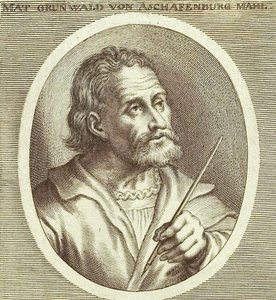
Matthias Grünewald
1480 - 1528 , Deutschland
Kurzinfos
- Artistic Movement Or Style: Späte Gotik / Renaissance
- Artists Or Movements Influenced By This Artist: ['Deutsche Renaissance']
- Artists Who Influenced This Artist:
- Albrecht Dürer
- Martin Schongauer
- Date Of Birth: Um 1480 vielleicht Würzburg
- Date Of Death: Vor 1528 Halle (Saale)
- Full Name: Matthias Grünewald
- Nationality: Deutsch
- Notable Artworks:
- Isenheim Altarbild
- Kreuzigung
- Jungfrau der Verkündigung
- Place Of Birth: Würzburg, Deutschland
Ähnliche Artikel
Meisterwerke des Hochmittelalters: 10 Kunstwerke für Ihr Zuhause | ArtsDot
Entdecken Sie die 10 bedeutendsten Meisterwerke des Hochmittelalters! Erfahren Sie Geschichten von Romanik, Gotik & berühmten Künstlern. Finden Sie hochwertige Reproduktionen für Ihr Zuhause auf ArtsDot.com.
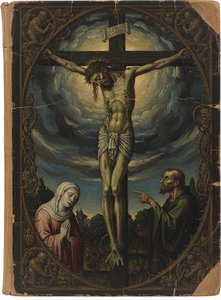
Matthias Grünewald: Andacht, Verzerrung und spirituelle Zerrissenheit der Renaissancekunst
Entdecken Sie die tiefgründige spirituelle Welt von Matthias Grünewald und sein Meisterwerk, den Isenheimer Altar. Analysen, historische Hintergründe & hochwertige Reproduktionen für Kunstliebhaber.
Spätmittelalterliche Meisterwerke: 10 Kunstwerke für Ihr Zuhause | ArtsDot
Entdecken Sie die 10 bedeutendsten Meisterwerke des Spätmittelalters! Erfahren Sie die Geschichten hinter Jan van Eyck, Rogier van der Weyden & mehr. Hochwertige Kunst Reproduktionen für Ihr Zuhause – jetzt auf ArtsDot.com!
El Greco: Die 25 Meisterwerke – Kunst für Ihr Zuhause | ArtsDot
Entdecken Sie die 25 bedeutendsten Meisterwerke von El Greco! Erleben Sie die spirituelle Tiefe und den dramatischen Stil des griechischen Malers. Hochwertige Kunstdrucke & Inspiration für Ihr Zuhause auf ArtsDot.com.
Hieronymus Bosch: Die 25 Meisterwerke des düsteren Genies – Kunst für Ihr Zuhause | ArtsDot
Entdecken Sie die 25 faszinierendsten Meisterwerke von Hieronymus Bosch! Tauchen Sie ein in die düstere Schönheit niederländischer Malerei, religiöse Symbolik und fantastische Welten. Hochwertige Kunstdrucke & Inspiration für Ihr Zuhause auf ArtsDot.com.