 Vorschau anzeigen
 Versenden
 Teilen
 Details anzeigen

 Herunterladen
 Ähnliche Objekte
 Röntgenaufnahme
 Diashow
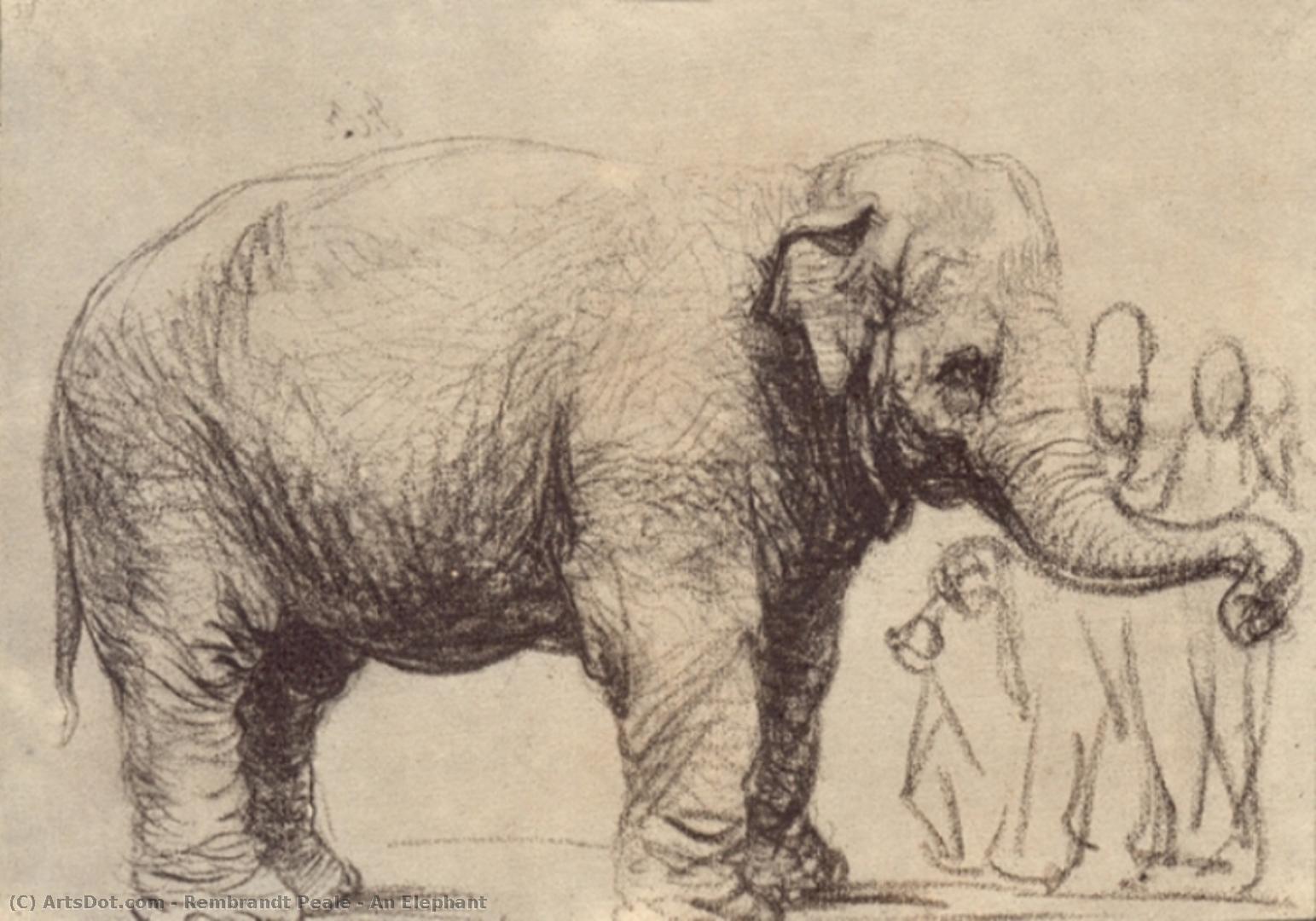
An Elephant
 Charcoal
- WallArt
- Baroque
 1637
1637 18.0 x 26.0 cm
 Albertina Wien
 Weiterlesen
Handgefertigte Ölreproduktion
Handgemaltes Ölgemälde auf Leinwand in Ihrer Wunschgröße und mit Rahmen, auf Bestellung von unseren Künstlern angefertigt. ( Druck bestellen Bild kaufen)




P118B $10

P118H $10

P118W $10

P438Z $10

P508JH $12

P508YH $12

P805H $10

P805Z $10

P919BZ $10

P919G $10

P919XJ $10

P959ZH $10

P968JZ $12

W106C $8

W218G $10

W218JH $8

W218Y $10

W307PJ $10

W316G $10

W316PJ $8

W316Y $10

W398PJ $8

W4111J $10

W500HY $15

W500JH $15

W692G $12

W849H $8

W940BG $15

W953PJ $8




Wählen Sie aus unseren vordefinierten Formaten, die den ursprünglichen Proportionen des Kunstwerks entsprechen.

Sie können Ihre eigenen Maße eingeben, um einen bestimmten Rahmen oder Platz auszufüllen. Wenn die gewählte Größe nicht den Proportionen des Originalbildes entspricht, werden wir das Kunstwerk entweder beschneiden oder das Gemälde durch zusätzliche, handgemalte Elemente erweitern. Ein digitales Mockup wird Ihnen zur Genehmigung zugesandt, bevor die Produktion beginnt.
Bitte beachten Sie, dass die Bildschirmvorschau nicht die tatsächliche Beschneidung oder Erweiterung widerspiegelt. Nur das Mockup zeigt die endgültige Komposition exakt an.
Obwohl Sondermaße verfügbar sind, empfehlen wir, eine Größe aus der vordefinierten Liste zu wählen, um die ursprünglichen Proportionen beizubehalten.
Nach der Bestellung wird das ArtsDot.com-Team dem Kunden Anweisungen per E-Mail zusenden und eine Mockup-Vorschau bereitstellen.
Weltweiter Versand () in nur 3 bis 4 Wochen statt der üblichen 5 Wochen. (23 August). Keine Kompromisse bei der Qualität.

Kostenloser weltweiter Expressversand

Hochwertige Leinenleinwand

Umfassender Versicherungsschutz beim Versand

Zollgebühren-Rückerstattungsgarantie

Garantie für exakte Farbtreue

60 Tage Rückgaberecht (nur bei Mängeln)

100% Geld-zurück-Garantie

Mengenrabatt verfügbar
 Die Glasoption ist nur für Größen unter 110 cm verfügbar.

An Elephant
Art der Reproduktion
Format der Reproduktion
-


Gesamtpreis
$ 263
Beschreibung des Kunstwerks
The Majesty of Encounter: Exploring Rembrandt Peale's "An Elephant"
To stand before Rembrandt Peale’s "An Elephant" is to step directly into a moment suspended between the known and the utterly marvelous. This charcoal study, dating from 1637, transcends a mere depiction of wildlife; it captures an encounter—a profound meeting point between human curiosity and raw, magnificent nature. The composition immediately draws the eye to the colossal presence of the elephant, its form rendered with a startling verisimilitude that belies the delicate medium of charcoal on paper. Peale masterfully employs the dramatic chiaroscuro characteristic of the Baroque period, allowing light to sculpt the wrinkled hide and powerful musculature of the beast while deep shadows lend an air of mystery to the scene.
Baroque Drama in Charcoal
The technical brilliance of this piece lies in its execution. While the subject matter—the elephant—speaks of exoticism, the handling of the charcoal suggests a profound intimacy with the material. Peale’s ability to convey texture, particularly the complex topography of the elephant's skin and the subtle folds of the observers' garments, is breathtaking. The background remains deliberately sparse, an artistic choice that forces the viewer into an immediate, focused dialogue with the central drama. This minimalism amplifies the emotional weight of the interaction, making every gesture—the extended trunk, the attentive profiles of the three observing figures—feel monumental.
A Glimpse Through Time: Context and Symbolism
The historical context adds layers of intrigue. For an audience in the early 17th century encountering such a creature would have been akin to witnessing a miracle or a profound scientific marvel. The three figures, rendered in profile, act as our proxies; they are the witnesses whose rapt attention anchors the narrative for us today. Symbolically, the elephant has long represented memory, strength, and wisdom across cultures. Here, its gentle curiosity, suggested by its relaxed posture, seems to bridge the gap between the wild unknown and the structured world of humanity. It is a meditation on perception itself—how we react when confronted with something so grandly different.
Bringing the Encounter Home
For those who wish to incorporate this piece of historical drama into their own curated spaces, understanding its emotional resonance is key. A reproduction of "An Elephant" offers more than just an image; it offers a narrative anchor—a focal point that suggests contemplation and wonder. Whether placed in a library among weighty tomes or within a drawing-room designed for intimate conversation, the artwork commands attention through its sheer dramatic power. It invites the viewer to pause, to breathe in the quiet tension of the moment, and to feel the weight of history mingling with the enduring mystery of the natural world.
Ähnliche Kunstwerke
Über den Künstler
Frühes Leben und Ausbildung
Rembrandt Peale, ein amerikanischer Künstler und Museumsverwalter, wurde am 22. Februar 1778 im Bucks County, Pennsylvania, geboren. Er war das dritte von sechs überlebenden Kindern seiner Mutter, Rachel Brewer, und seines Vaters, Charles Willson Peale, einem bekannten Künstler. Rembrandts Name wurde von dem niederländischen Maler und Radierer des 17. Jahrhunderts Rembrandt Harmenszoon van Rijn inspiriert. Sein Vater unterrichtete alle seine Kinder im Malen von Landschaften und Porträts und bildete Rembrandt in den Künsten und Wissenschaften aus.Künstlerische Karriere
Peales Stil wurde nach einem Aufenthalt in Paris in seinen frühen Dreißigern vom französischen Neoklassizismus beeinflusst. Er begann im Alter von 8 Jahren zu zeichnen und fertigte mit 13 Jahren sein erstes Selbstporträt an, das seine frühe Meisterschaft demonstrierte. Peales produktive Karriere umfasste über 70 detaillierte Repliken, darunter Porträts der Präsidenten George Washington und Thomas Jefferson.- Bemerkenswerte Werke:
- George Washington (Schleusenöffnungstyp) (1795), jetzt in der National Portrait Gallery (London, Vereinigtes Königreich), [https://ArtsDot.com/@@/d44spg-rembrandt-peale-george-washington-(porthole-type)](Gemälde von 'Rembrandt Peale' | Rembrandt Peale: George Washington (Schleusenöffnungstyp))
- Mann mit Bart (ungefähr), [https://ArtsDot.com/@@/d329cc-rembrandt-peale-man-with-a-beard](Gemälde von 'Rembrandt Peale' | Rembrandt Peale: Mann mit Bart)
- Porträt des Rev. John Pierpont (1785-1866), [https://ArtsDot.com/@@/d4nqk5-rembrandt-peale-portrait-of-the-rev-john-pierpont-(1785-1866)](Gemälde von 'Rembrandt Peale' | Rembrandt Peale: Porträt des Rev. John Pierpont (1785-1866))
Museum und Vermächtnis
Peale eröffnete sein erstes Museum am 15. August 1814 in Baltimore, Maryland, das später als zweites Baltimore City Hall diente und schließlich als Peale Museum restauriert wurde. Sein Vermächtnis wird weiterhin durch seine zahlreichen Porträts gefeiert, die sich jetzt in verschiedenen Museumsbeständen befinden, darunter die National Portrait Gallery (Washington, Vereinigte Staaten), [https://ArtsDot.com/@/rembrandt-peale](Künstler: Rembrandt Peale | 243 Kunstwerke).Schlussfolgerung
Rembrandt Peales produktive Karriere als amerikanischer Künstler und Museumsverwalter hat einen bleibenden Eindruck in der Kunstwelt hinterlassen. Seine zahlreichen Porträts, darunter die von George Washington und Thomas Jefferson, werden weiterhin für ihre historische Bedeutung und ihren künstlerischen Wert gefeiert.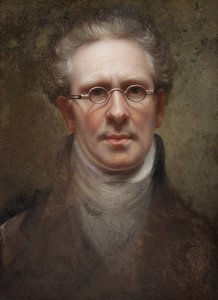
Rembrandt Peale
1778 - 1860 , Vereinigte Staaten von Amerika
Kurzinfos
- Bemerkenswerte Werke:
- George Washington (Porthole-Typ)
- Man mit Bart
- Porträt von Rev. John Pierpont
- Geburtsdatum: 22. Februar 1778
- Geburtsort (Stadt, Land): Bucks County, USA
- Künstler, Die Diesen Künstler Beeinflussten:
- Charles Willson Peale
- Rembrandt Harmenszoon van Rijn
- Künstlerische Bewegung/Stil: Neoklassizismus
- Nationalität: Amerikanisch
- Sterbedatum: 1860
- Vollständiger Name: Rembrandt Peale
Ähnliche Artikel

Rembrandts Meisterwerke: Die Top 25 Kunstwerke für Ihr Zuhause | ArtsDot
Entdecken Sie Rembrandts 25 berühmteste Kunstwerke! Tauchen Sie ein in die Welt des Barock, Licht und Schatten & historischer Porträts. Hochwertige Reproduktionen für Ihr Zuhause – jetzt auf ArtsDot.com!
Animalia: Die bleibende Präsenz von Tieren in Kunst und Innenarchitektur
Entdecken Sie die faszinierende Welt der Animalia! Von historischen Tierdarstellungen bis zur modernen Innenarchitektur – wir bieten Expertise, hochwertige Reproduktionen & Kunstberatung.

Die 10 Meisterwerke der niederländischen Barockmalerei – Kunst für Ihr Zuhause | ArtsDot
Entdecken Sie die 10 prägendsten Meisterwerke der niederländischen Barockmalerei! Von Rembrandt bis Vermeer – erleben Sie Kunstgeschichte, Techniken & Emotionen. Hochwertige Reproduktionen für Ihr Zuhause auf ArtsDot.com.

Barock Meisterwerke: Die 10 prägendsten Kunstwerke für Ihr Zuhause |
Entdecken Sie die 10 prägendsten Meisterwerke des Barock! Caravaggio, Rembrandt & Co. – Erfahren Sie die Geschichten hinter ikonischen Gemälde und finden Sie hochwertige Kunst Reproduktionen für Ihr Zuhause auf .

The Visceral Stage: Exploring Dramatic Narratives & Emotional Intensity in Baroque Art
Explore the dramatic world of Baroque art! Discover iconic masters like Caravaggio & Rembrandt, their techniques, and the movement's lasting impact. Expert insights for collectors & enthusiasts at ArtsDot.