- Startseite

- Kunstwerke
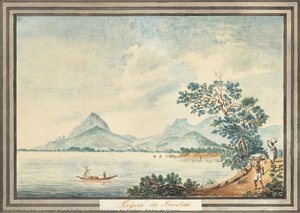
- Lagoa Rodrigo de Freitas com Morro do Corcovado [Rodrigo de Freitas Lake with Corcovado Mountain]
Zeitraum
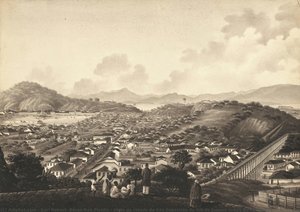
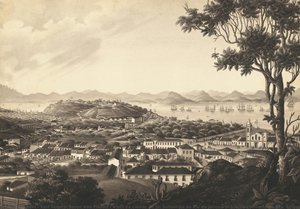
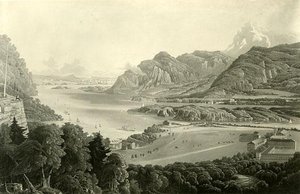
- Vista da cidade de São Sebastião do Rio de Janeiro tirada do Convento de Santa Teresa [View of the City of São Sebastião do Rio de Janeiro taken from Santa Teresa Convent]
- Igreja e Morro de Nª Senhora da Gloria (Rio de Janeiro) [Nossa Senhora da Glória Church and Hill]
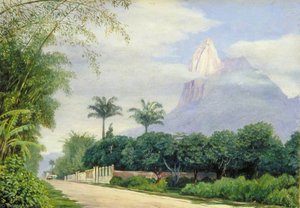
- Blick auf den Corcovado bei Rio de Janeiro, Brasilien
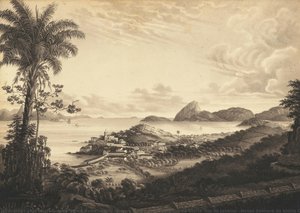
- Lagoa Rodrigo de Freitas, Pedra da Gávea
- Vista da cidade de St. Sebastião do Rio de Janeiro tirada do Convento de Sta. Tereza [View of the city of São Sebastião do Rio de Janeiro taken from Santa Teresa Convent]
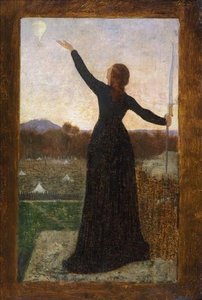
- Le Ballon ( La Ville de Paris investie, confie à l'air son appel à la France ). Allégorie à la défense de Paris (1870 1871). Siège de Paris
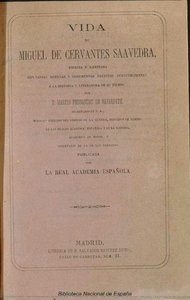
- Vida de Miguel de Cervantes Saavedra (Leben von Miguel de Cervantes Saavedra). Buch V der Ausgabe von Don Quijote (Biblioteca Nacional de España) [7]
Bewegung
- Vista da cidade de São Sebastião do Rio de Janeiro tirada do Convento de Santa Teresa [View of the City of São Sebastião do Rio de Janeiro taken from Santa Teresa Convent]
- Igreja e Morro de Nª Senhora da Gloria (Rio de Janeiro) [Nossa Senhora da Glória Church and Hill]
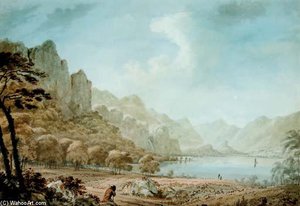
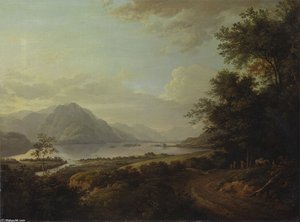
- View Of Derwent Water With A Traveller Resting In The Foreground
- Lagoa Rodrigo de Freitas, Pedra da Gávea
- Vista da cidade de St. Sebastião do Rio de Janeiro tirada do Convento de Sta. Tereza [View of the city of São Sebastião do Rio de Janeiro taken from Santa Teresa Convent]
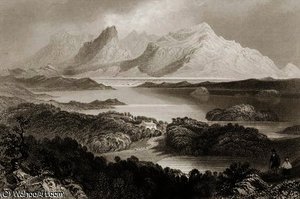
- Lake garromin
Stimmung
- Igreja e Morro de Nª Senhora da Gloria (Rio de Janeiro) [Nossa Senhora da Glória Church and Hill]
- Lagoa Rodrigo de Freitas, Pedra da Gávea
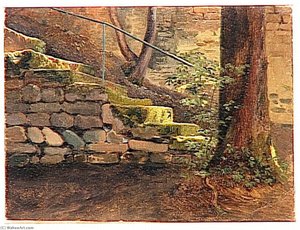
- L'Escalier de Pierres Recouvert de Mousse
- Le Ballon ( La Ville de Paris investie, confie à l'air son appel à la France ). Allégorie à la défense de Paris (1870 1871). Siège de Paris
Themen
- Vista da cidade de São Sebastião do Rio de Janeiro tirada do Convento de Santa Teresa [View of the City of São Sebastião do Rio de Janeiro taken from Santa Teresa Convent]
- Igreja e Morro de Nª Senhora da Gloria (Rio de Janeiro) [Nossa Senhora da Glória Church and Hill]
- Blick auf den Corcovado bei Rio de Janeiro, Brasilien
- View Of Derwent Water With A Traveller Resting In The Foreground
- Vista da cidade de St. Sebastião do Rio de Janeiro tirada do Convento de Sta. Tereza [View of the city of São Sebastião do Rio de Janeiro taken from Santa Teresa Convent]
Schlagworte
Tonwert
- Igreja e Morro de Nª Senhora da Gloria (Rio de Janeiro) [Nossa Senhora da Glória Church and Hill]
- Blick auf den Corcovado bei Rio de Janeiro, Brasilien
- Lagoa Rodrigo de Freitas, Pedra da Gávea
- Vista da cidade de St. Sebastião do Rio de Janeiro tirada do Convento de Sta. Tereza [View of the city of São Sebastião do Rio de Janeiro taken from Santa Teresa Convent]
Hauptfarbe
- Vista da cidade de St. Sebastião do Rio de Janeiro tirada do Convento de Sta. Tereza [View of the city of São Sebastião do Rio de Janeiro taken from Santa Teresa Convent]
- Vista da cidade de São Sebastião do Rio de Janeiro tirada do Convento de Santa Teresa [View of the City of São Sebastião do Rio de Janeiro taken from Santa Teresa Convent]
- Lagoa Rodrigo de Freitas, Pedra da Gávea
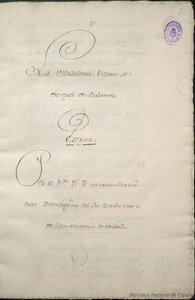
- La verdadera patria de Miguel de Cervantes (Miguel de Cervantes’s true homeland) (Biblioteca Nacional de España) [4][fol.1]
- Igreja e Morro de Nª Senhora da Gloria (Rio de Janeiro) [Nossa Senhora da Glória Church and Hill]
- Blick auf den Corcovado bei Rio de Janeiro, Brasilien
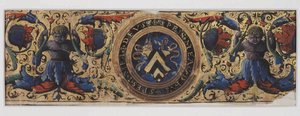
- Antiphonaire de Mirepoix Bandeau aux armes de Philippe de Lévis, évêque de Mirepoix, blason SPES MEA DEUS
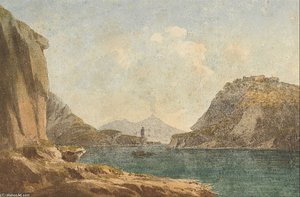
- View Of Vesuvius
- Le Ballon ( La Ville de Paris investie, confie à l'air son appel à la France ). Allégorie à la défense de Paris (1870 1871). Siège de Paris
- View Of Derwent Water With A Traveller Resting In The Foreground
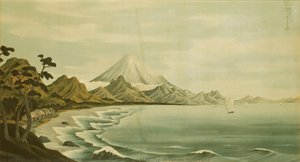
- Distant View of Mt.Fuji at Sunshu Sattayama
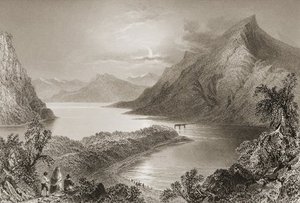
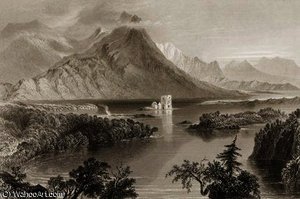
- Lake garromin
- Ballynahinch
- Loch Awe, Argyllshire
- West Point, (painting)
- Vida de Miguel de Cervantes Saavedra (Leben von Miguel de Cervantes Saavedra). Buch V der Ausgabe von Don Quijote (Biblioteca Nacional de España) [7]
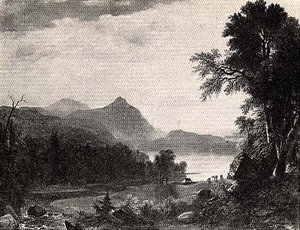
- View of the Hudson Valley, (painting)
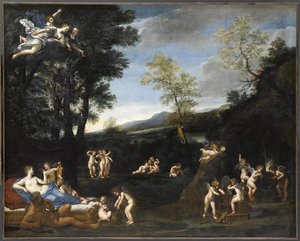
- Le repos de Venus et de Vulcain, ou Vénus ordonne aux amours de forger de nouveaux traits pour blesser le coeur d'Adonis, dit aussi à tort Le Feu
andere
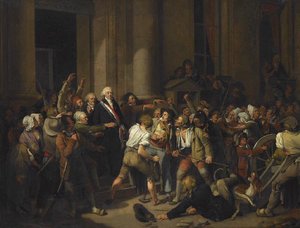
- Une scène de la vie publique de Pierre Nicolas de Fontenay, maire de Rouen en 1792 (titre moderne) Trait de courage de M. de Fontenay maire de Rouen (titre d'origine)
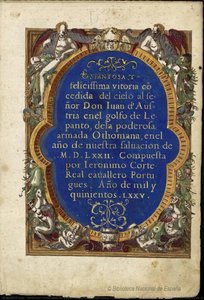
- Erschaudernswerte und glückseligste Sieg, vom Himmel verliehen an den Herrn Don Juan von Österreich im Golf von Lepanto gegen die mächtige osmanische Flotte, im Jahre unserer Erlösung MDLXXII (Erschaudernswerter und glückseligster Sieg, vom Himmel verlieh
- Lough Inagh
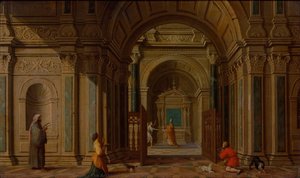
- The Archangel Gabriel Appearing to Zacharias, Nicolaes de Giselaer, 1625
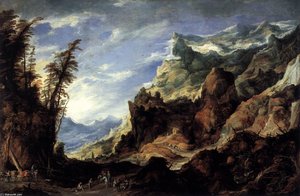
- Large Mountain Landscape