Rad der Affinitäten
Lassen Sie sich von einem Gemälde zum nächsten führen
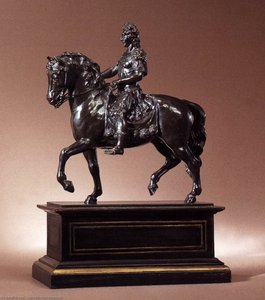
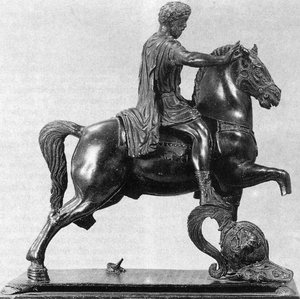
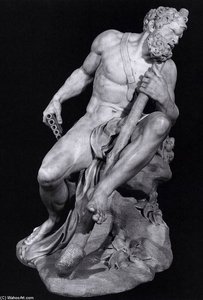
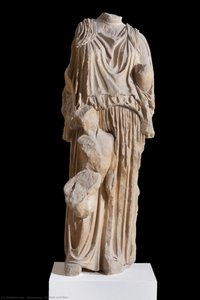
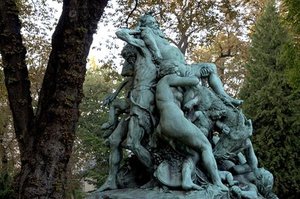
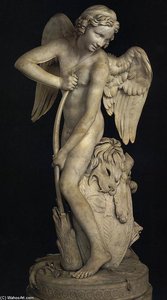
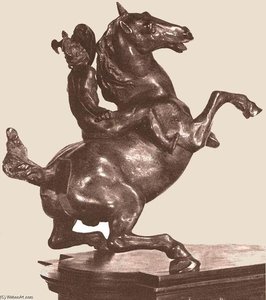
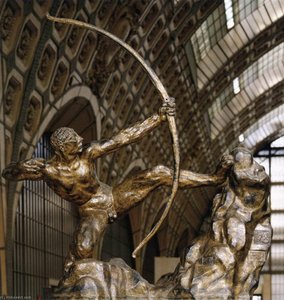
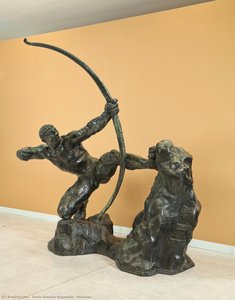
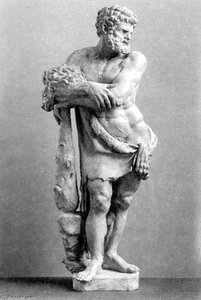
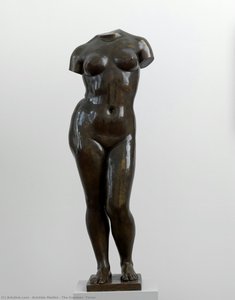
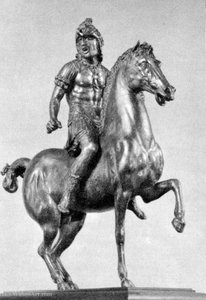
Willkommen. Jedes Kunstwerk, das dieses Rad umkreist, ist durch einen gemeinsamen Faden mit „Hercules on Horseback“ verbunden. Lassen Sie sich Zeit, folgen Sie dem, was Ihren Blick fesselt, und lassen Sie sich von Ihrer Neugier von einem Meisterwerk zum nächsten tragen.
So erkunden Sie das Rad der Affinitäten
Ziehen Sie nach links oder rechts, um das Rad zu drehen.
Ziehen Sie nach oben oder unten – oder nutzen Sie das Scrollrad –, um hinein- oder herauszuzoomen.
Fahren Sie mit der Maus über ein Kunstwerk, um dessen Titel und Affinitäten anzuzeigen; klicken Sie darauf, um es zu öffnen.
Die acht Himmelsrichtungen
Jeder Speichenabschnitt stellt eine Art Verwandtschaft dar – Epoche, Bewegung, Vibe, Themen, Schlagworte, Tonalität und Hauptfarbe sowie „Sonstiges“ für die freieren, überraschenderen Verbindungen.
Abstand vom Zentrum
Je näher ein Werk dem Zentrum des Rades liegt, desto stärker ist seine Verbindung zu diesem Gemälde. Werke nahe am Rand sind lockerere, unerwartetere Echos – oft die lohnendsten Entdeckungen.